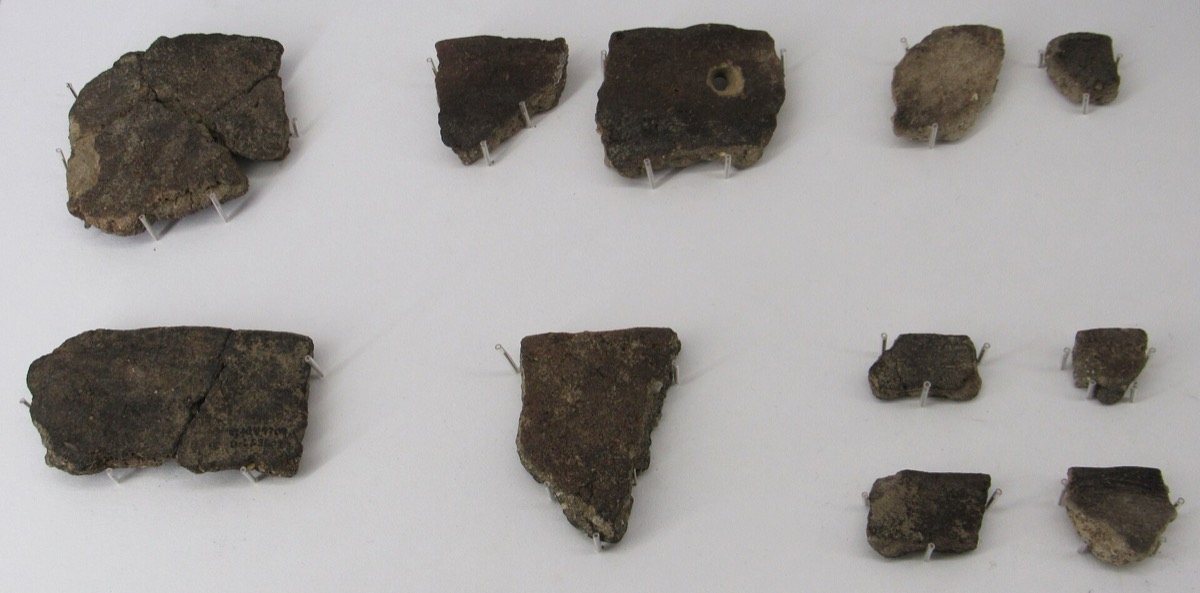
The site of Torihama in Japan yielded pottery made by across many periods, and the researchers did not stop at the shape of the vessels. They extracted from the clay itself the absorbed into the walls thousands of years ago, and tested them chemically. What was cooked there?
, for nine thousand years. Across 143 vessels the signs of cooking freshwater and marine organisms were consistent along an unusually long sequence. That is surprising, because the climate and the life around the site changed while the main use of the pots stayed much the same. It does not mean fish were the only food.
Early pottery in East Asia is sometimes tied to processes such as a warming climate and permanent settlement. But to know what a vessel was for, you have to examine what stayed inside it.
The researchers sampled 143 vessels from a long sequence of layers at Torihama. Fats trapped in the clay, and the inside them, yielded signatures fitting mainly aquatic sources.
Across those thousands of years the range of animals cooked did change, and the link between the pottery and fishing and food from the water stayed clear.
It would be wrong to conclude from this that the people there ate no plants or land animals. Other finds show they used those too, perhaps prepared in other ways, and fat residues speak about pots rather than about diets.
wat. At a single Japanese site, clay pots preserved evidence of cooking food from the water across some 9,000 years.
wat wat
The shape of a vessel does not tell you on its own what it was for; residues inside the wall can reveal a long cooking tradition.
How do we know?
Chemical tests of lipids and isotope ratios in 143 pottery vessels from one site compared their contents across layers spanning some 9,000 years.
What is still unknown
A find from one site is not the diet of all Japan. Fat residues mainly reveal what was cooked in a pot, not everything that was eaten.
Learn something?
Where to next
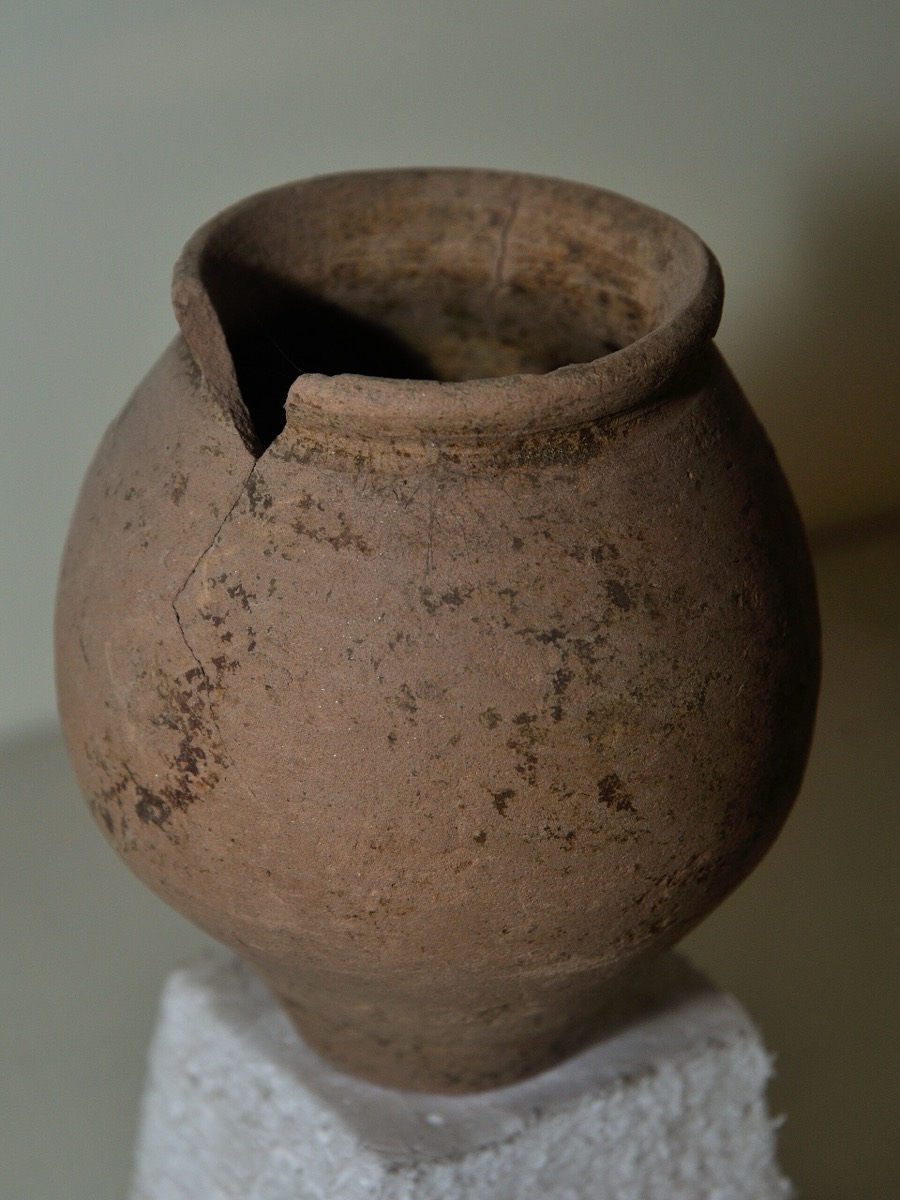 What can the walls of an ancient pot teach us about meals in the Indus cities?pottery
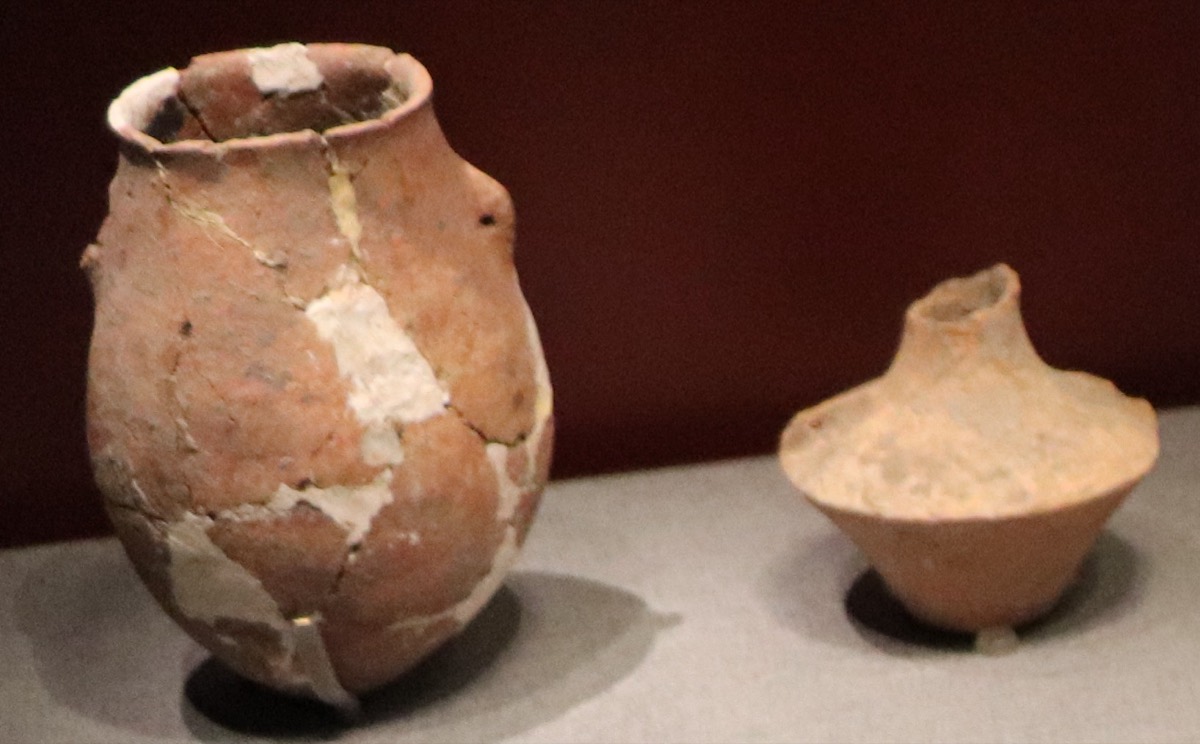 How do we know that early China made fermented drinks in two different ways?pottery
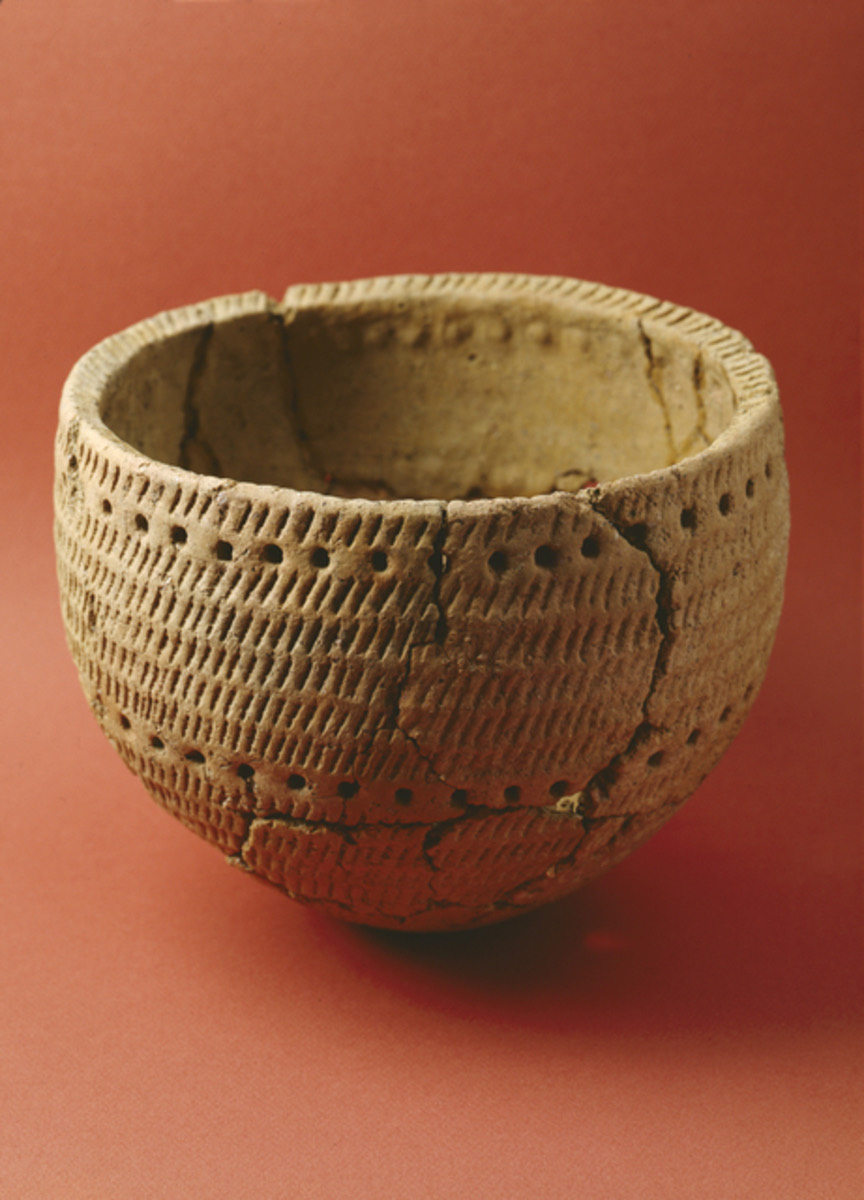 Why did ancient pots hide some of the plants cooked in them?pottery