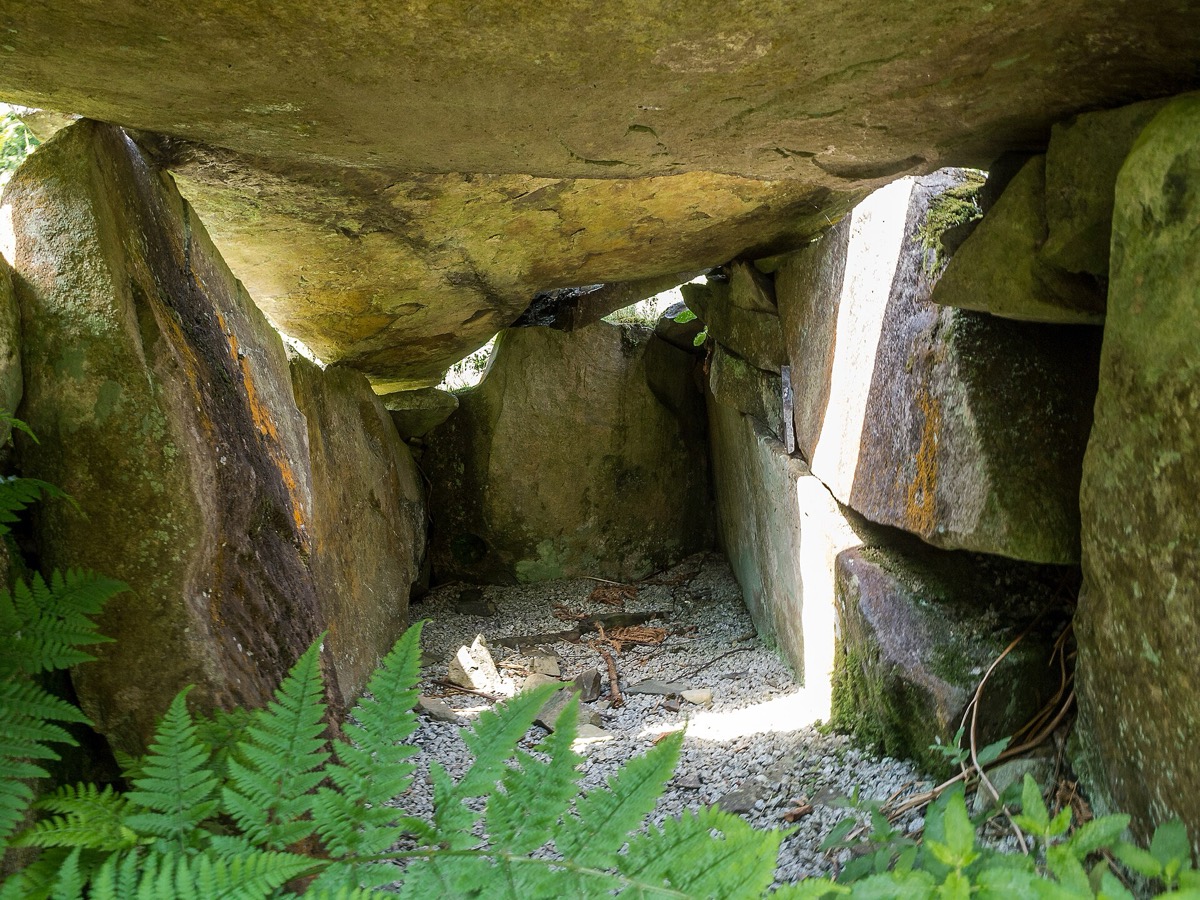
Neolithic communities in Anatolia often buried their dead beneath the floors of houses, which makes it tempting to read each house as one biological family. Material culture cannot settle that, so researchers sequenced 59 from several villages and worked out who was related to whom. Did the graves hold families?
In the earliest villages, yes. At Asikli Hoyuk and Boncuklu, in the ninth and eighth millennia BCE, siblings and parent-offspring pairs were frequent under the same building. At Catalhoyuk and Barcin, a millennium later, close genetic relatives among the children buried in and around houses were rare. So the practice changed, and a shared floor stopped meaning shared blood.
The social organization of the first fully settled communities is hard to reach, because pots and walls say little about who counted as a household. Anatolian Neolithic sites offer an unusual opening, because was common there.
The study sequenced 59 ancient genomes, 22 of them new, from sites including Asikli Hoyuk and Catalhoyuk, and inferred pedigrees by combining autosomal and X chromosome with maternal markers and radiocarbon dating.
In the earlier villages the intuitive picture holds. At Asikli Hoyuk and Boncuklu, in the ninth and eighth millennia BCE, siblings and parent-offspring pairs show up frequently within domestic structures, which is the first direct evidence of close relatedness among co-buried people there.
A millennium later it does not. At Catalhoyuk and Barcin in the seventh millennium BCE, among the subadults interred in and around houses, close genetic relatives are rare. The pattern is variable rather than universal, which means a house floor records a whose definition changed over time, and genetics cannot recover what that definition was.
wat. In Neolithic Anatolia, the same house floor did not always cover people who were related by blood.
wat wat
House and family are not required to line up the way a modern nuclear family does, and this is one of the few ways to find out rather than assume.
How do we know?
Yaka and colleagues analyzed 59 ancient genomes, 22 of them new, inferring pedigrees from autosomal and X chromosome kinship coefficients together with maternal markers and radiocarbon dates.
What is still unknown
Genetic relatedness misses adoption, marriage, fostering and every social meaning a burial might carry. The samples are also limited, and DNA alone cannot define what counted as a family then.
Learn something?
Where to next
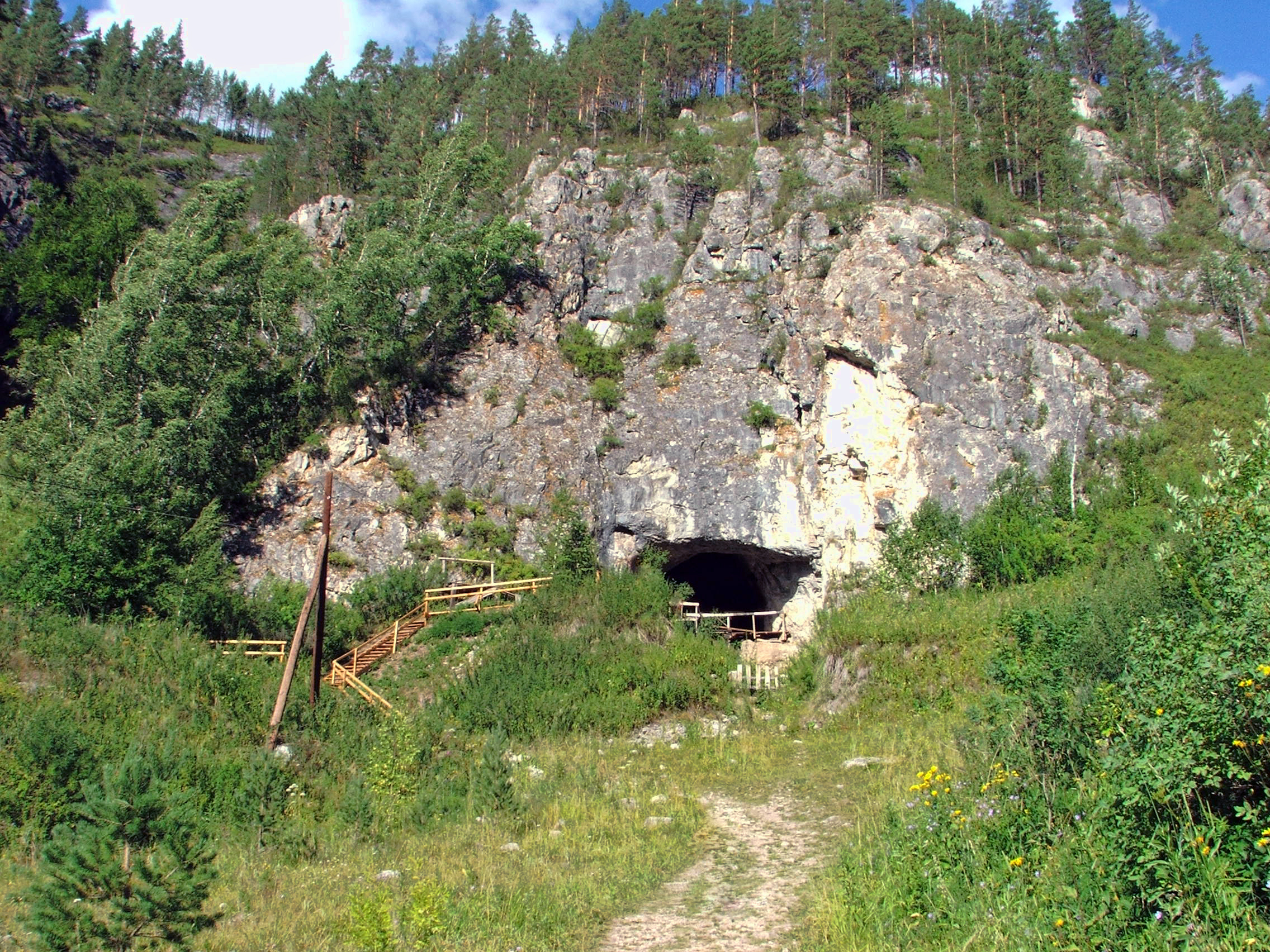 Can you tell who lived in a cave without finding a single bone there?ancient DNA
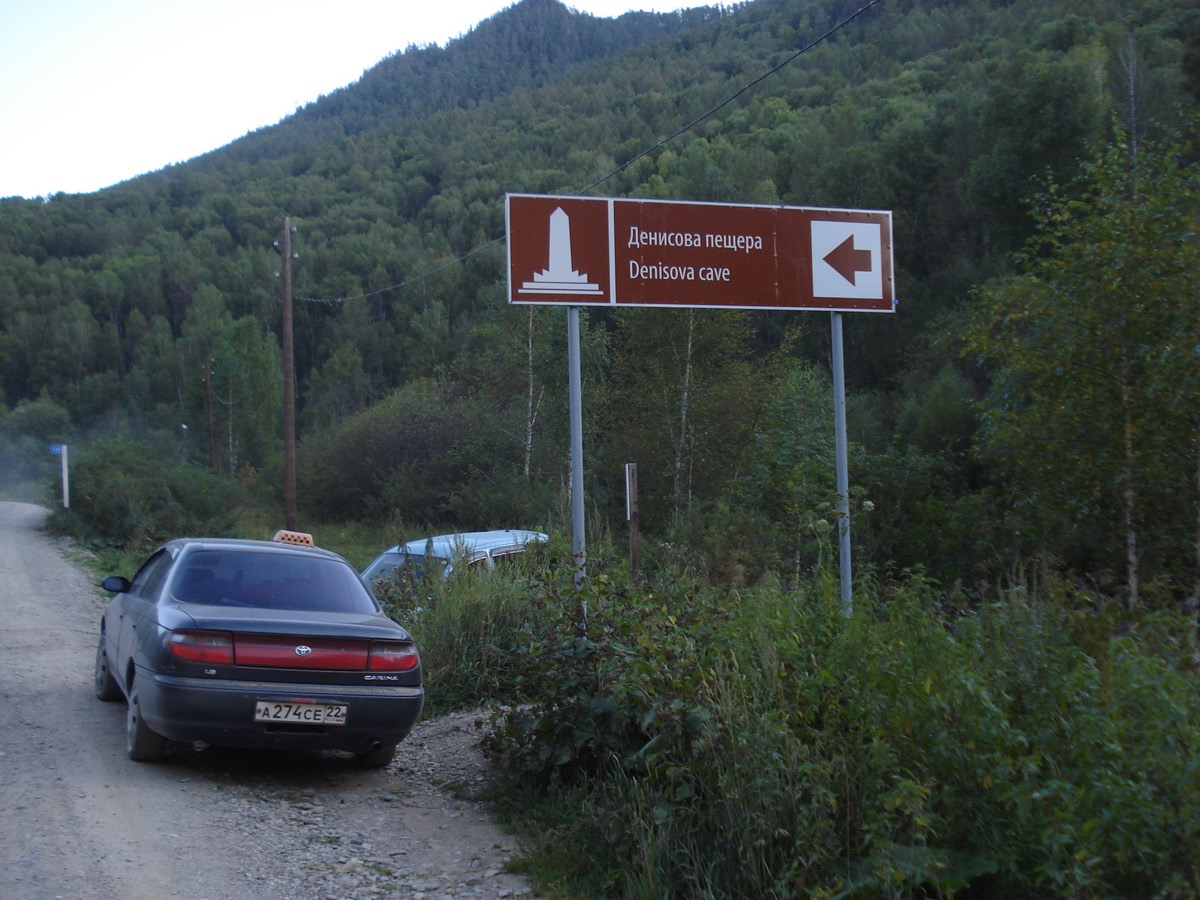 How did one finger bone reveal a branch of humanity nobody knew?ancient DNA
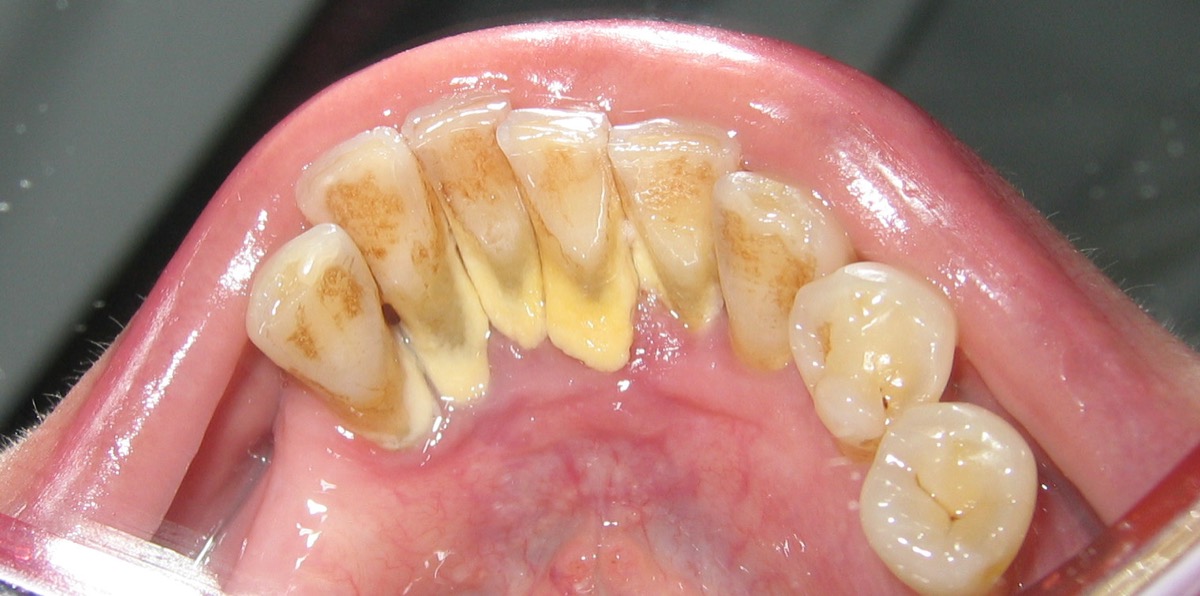 Can you tell what an ancient person ate from the DNA in their teeth?ancient DNA