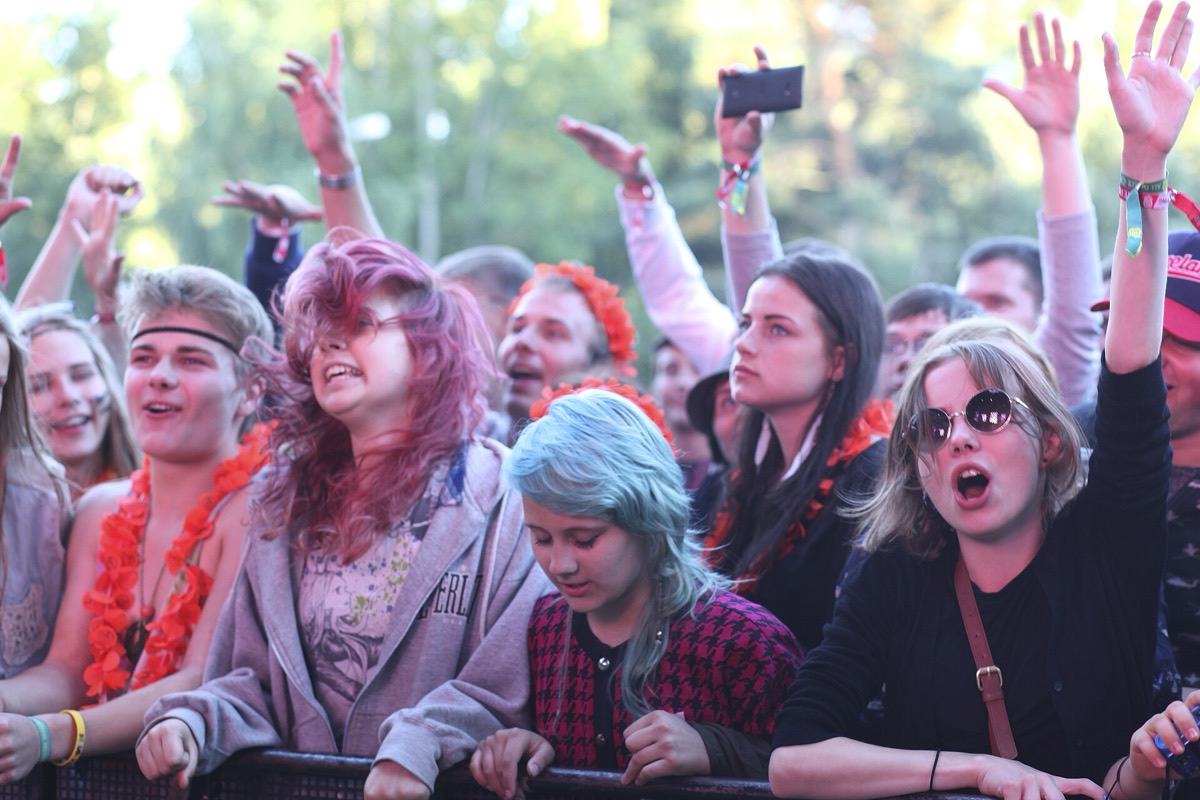
When two friends remember the same night, one raises a moment the other had lost, and between them a single version gradually settles. That sounds like retrieval, and it may be construction. Researchers interviewed festival tourists alone and then in their pairs. What changed?
An got built, and it did something. Across six pairs, the researchers traced the processes that produce it: over what mattered, attunement to each other, and . Participants reported a and a sense of belonging, with wellbeing rising as the version converged. That agreement then fed their attitudes, their intentions and what they told other people.
Travel memories are usually studied by asking one person what they recall. These researchers were interested in the other situation, the common one, where two people who were there together talk about it afterwards.
They interviewed six pairs of festival tourists, first about individual memories and then about what the two of them said together, and analyzed how the accounts moved. What they describe is a process with parts: negotiation over what was important, attunement between the pair, and emotional synchrony.
The participants described a shared reality and a sense of belonging, and wellbeing increased as the agreed version took shape. The pull toward agreement is strong, which makes accuracy the wrong yardstick for what is happening in the conversation.
That agreement does not stay in the room. It shapes attitudes, behavioral intentions and word of mouth, which is why the authors address festival organizers directly: the experience being sold continues through a conversation nobody at the festival controls. Six pairs cannot stand for every tourist, and the strength of the work is in naming the mechanism rather than sizing it.
wat. A memory of a festival is sometimes a story two people build together after the music stops.
wat wat
A trip does not end when you get home, since the way it gets told afterwards becomes part of the experience, and part of what anybody else hears about it.
How do we know?
A qualitative analysis compared individual memories with the shared memories of six pairs of festival tourists, looking at how each account shifted once the two were spoken together.
What is still unknown
Six pairs is not a representative sample, and this traces how people talk about an experience rather than measuring how accurate their memory of it is.
Learn something?
Where to next
 What happens when you meet a holiday destination’s products at home?memory
 Does a park make people happy, or do happy people choose the park?travel
 Why do people choose to visit a place tied to disaster or death?travel