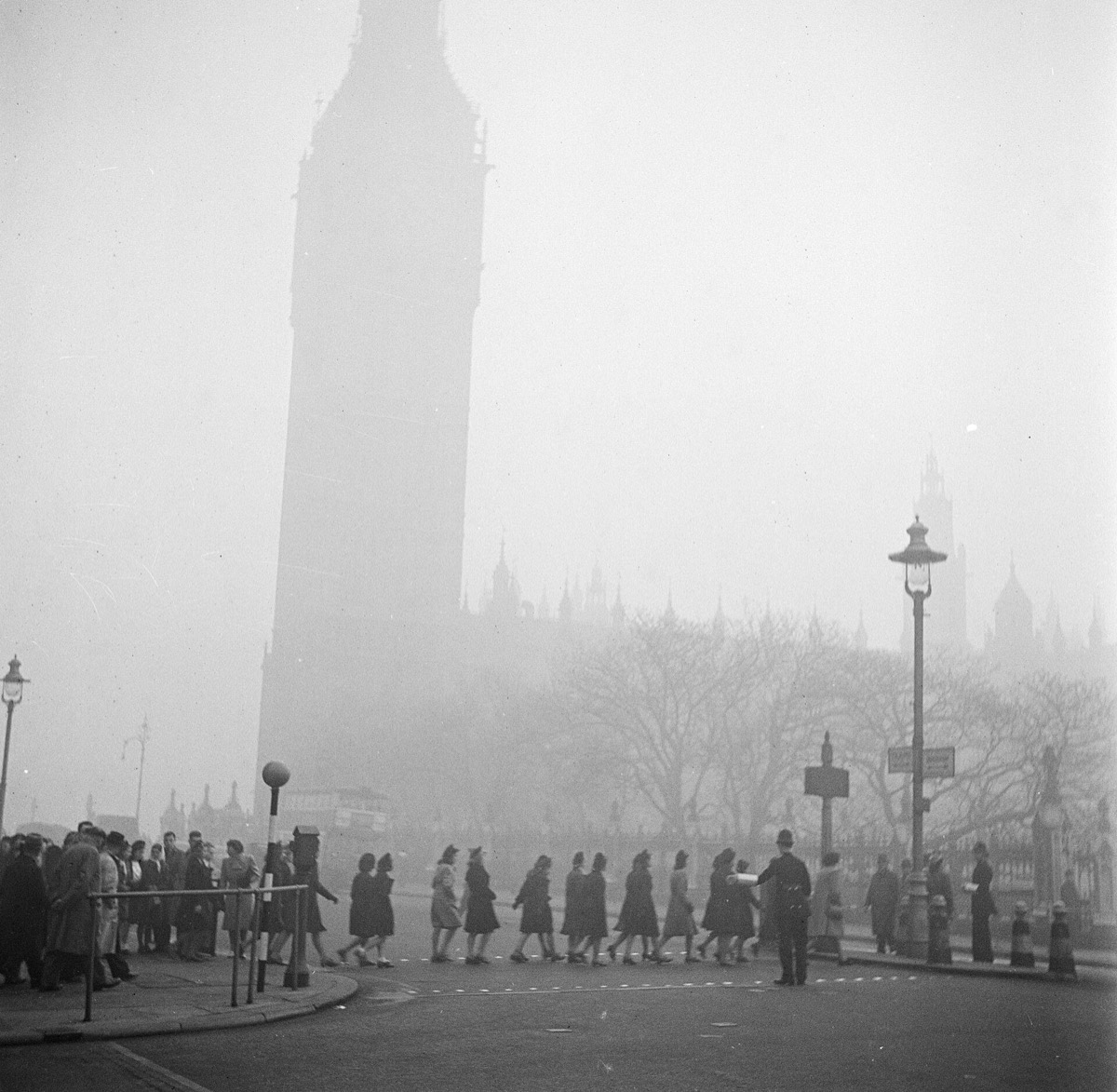
Fog was routine in London, and smoky fog had been part of the city since the Industrial Revolution, with the death rate climbing after the worst of them. December of nineteen fifty-two began very cold, with heavy snow, so households burned more coal than usual. On the fifth the sky was clear, the wind light, the air near the ground moist. What turned that into the Great Smog?
A lid over the city. An sitting over the region pushed air downward, warming it as it descended and creating an , with cool air near the ground trapped beneath warmer air above. Smoke that would normally rise and disperse had nowhere to go. Under the inversion, formed in a layer one to two hundred meters deep, loaded with the smoke of innumerable chimneys.
London had been fogged before. Mists worsened across Britain after the Industrial Revolution, as factories put gases and particles into the air that were poisonous in themselves and also seeded fog, water clinging to each tiny particle. Thick fog smelling of coal tar is recorded in December of eighteen thirteen. One in December of eighteen seventy-three raised the London death rate forty percent above normal.
The weather of early December nineteen fifty-two did the rest. It had been very cold with heavy snowfalls, so Londoners burned large quantities of coal at home. An anticyclone was sitting over the region, and beneath its inversion the smoke from house and factory chimneys was trapped, along with pollution blown in on easterly winds from industry on the continent.
On the morning of the fifth the sky was clear, the winds light and the air near the ground moist, which is exactly the recipe for radiation fog. The ground cooled by radiating heat away, the moist air touching it reached its dew point, and condensation began. Light wind stirred the saturated air upward into a layer of fog beneath the inversion. By night, visibility fell to a few meters, and in the Isle of Dogs people could not see their own feet.
Each day of the fog the city released a thousand tonnes of smoke particles, a hundred and forty tonnes of hydrochloric acid and fourteen tonnes of fluorine compounds. Worst of all, three hundred and seventy tonnes of sulfur dioxide converted into eight hundred tonnes of sulfuric acid. The fog cleared on the ninth. About four thousand deaths are known to have followed, and press reports claimed cattle at Smithfield had been asphyxiated. The followed, banning black smoke and pushing urban residents and factory operators onto smokeless fuels.
wat. Nothing unusual came out of the chimneys. What was unusual sat on top of them, holding everything down.
wat wat
The Clean Air Acts of nineteen fifty-six and nineteen sixty-eight came directly out of those four days, and nothing on that scale has happened in London since.
How do we know?
The Met Office case study of the Great Smog sets out the weather that produced it, the quantities of pollutant released each day, the death toll, and the legislation that followed.
What is still unknown
The Met Office gives about four thousand known deaths and notes the real figure could be many more. Counting deaths from air pollution after the event is an estimate rather than a tally.
Learn something?
Where to next
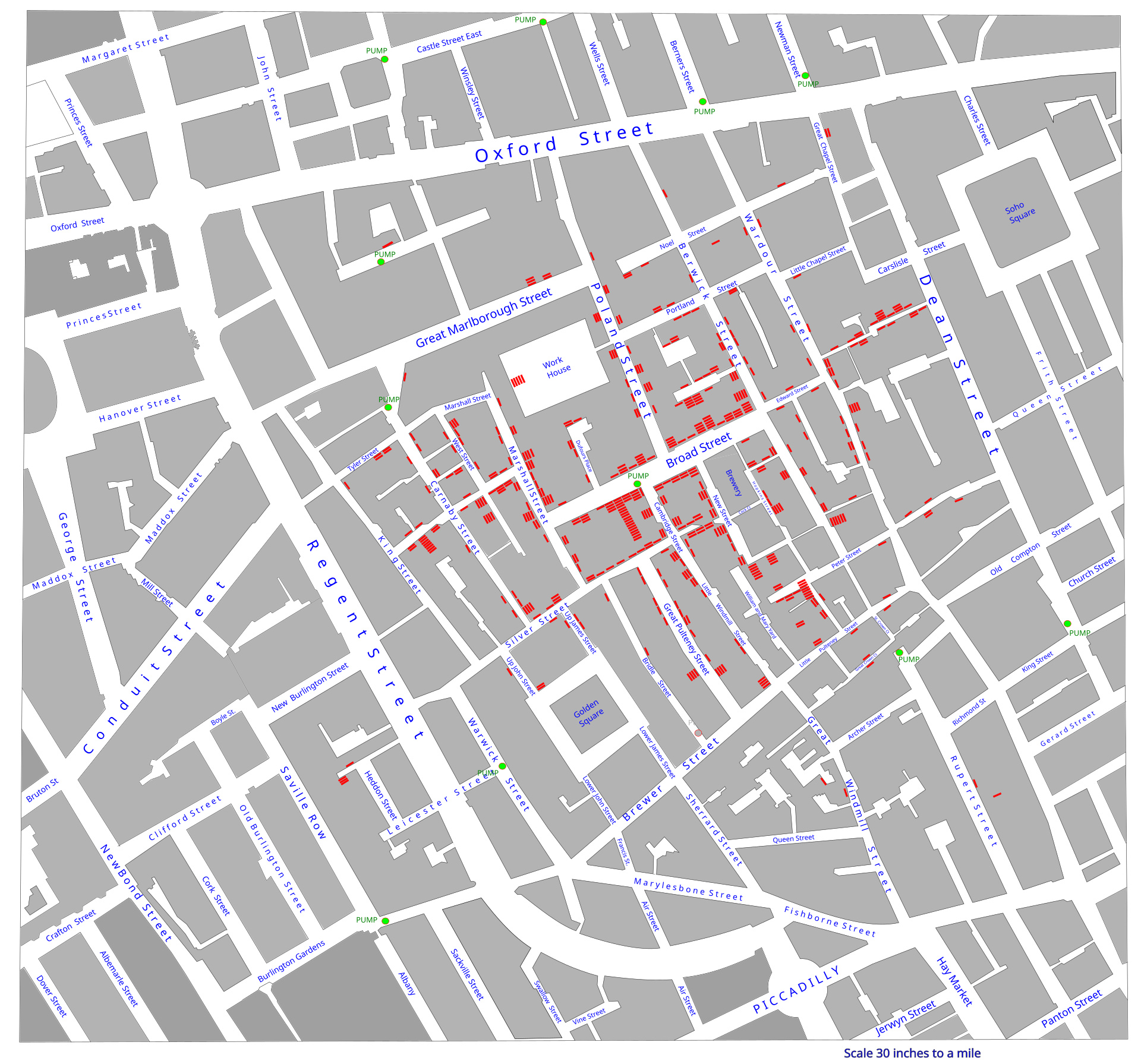 How do you prove what is causing an epidemic before anybody can see a germ?london
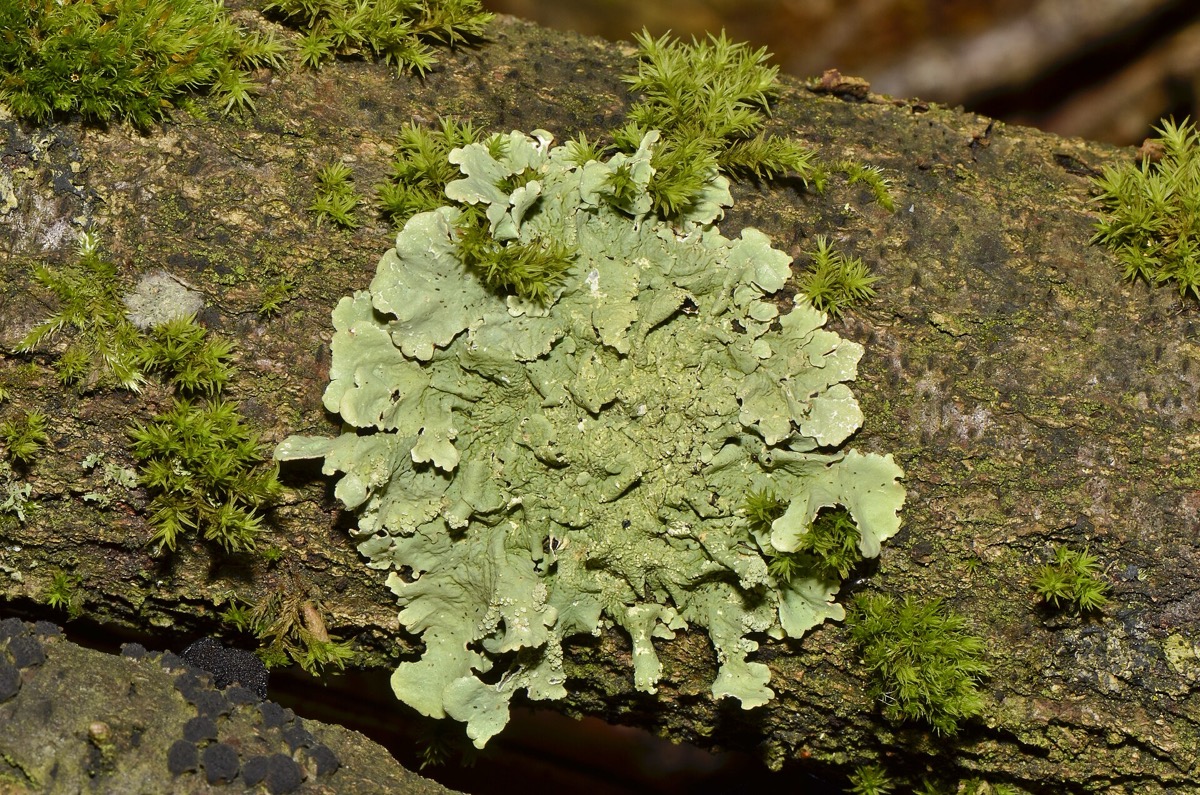 What can a lichen tell you about the air coming off an oil refinery?air pollution
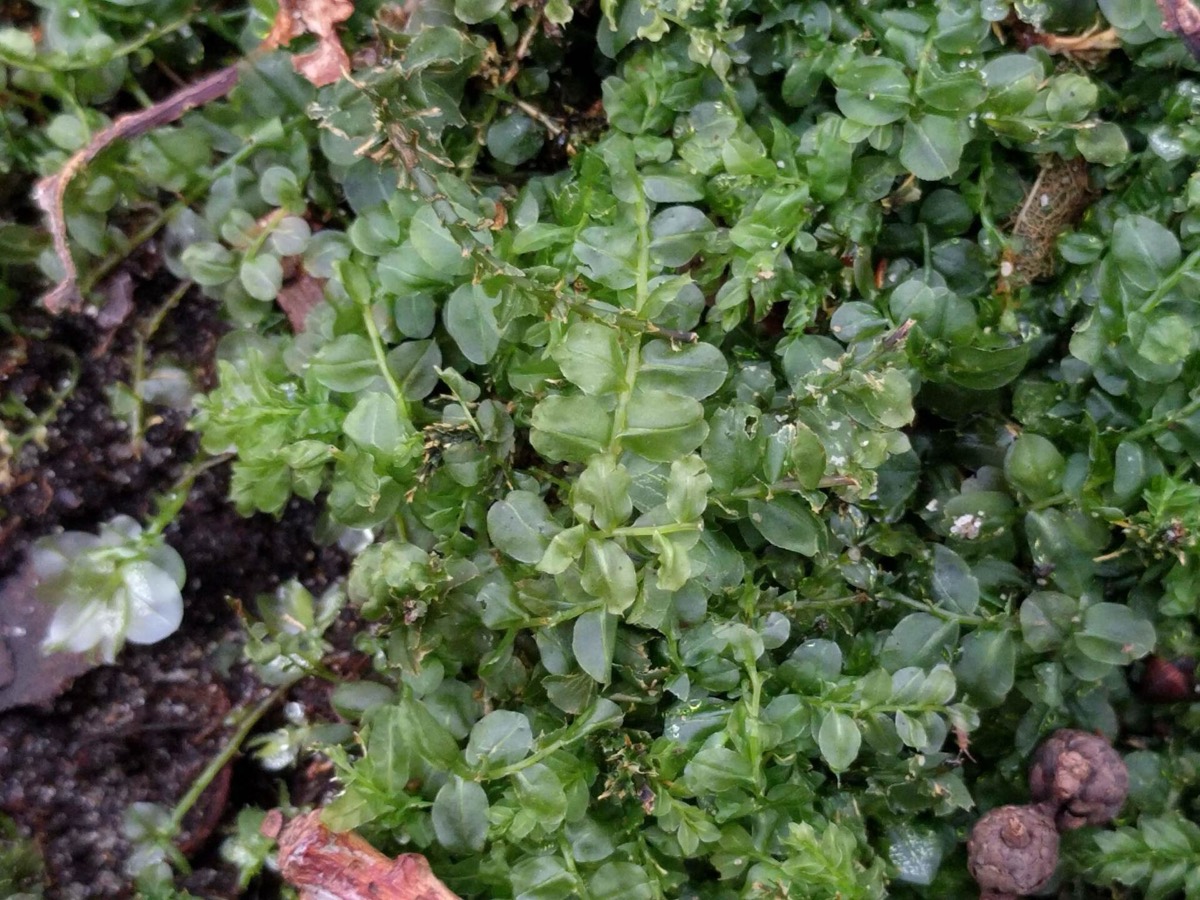 If you want moss to measure your air for you, which moss?air pollution