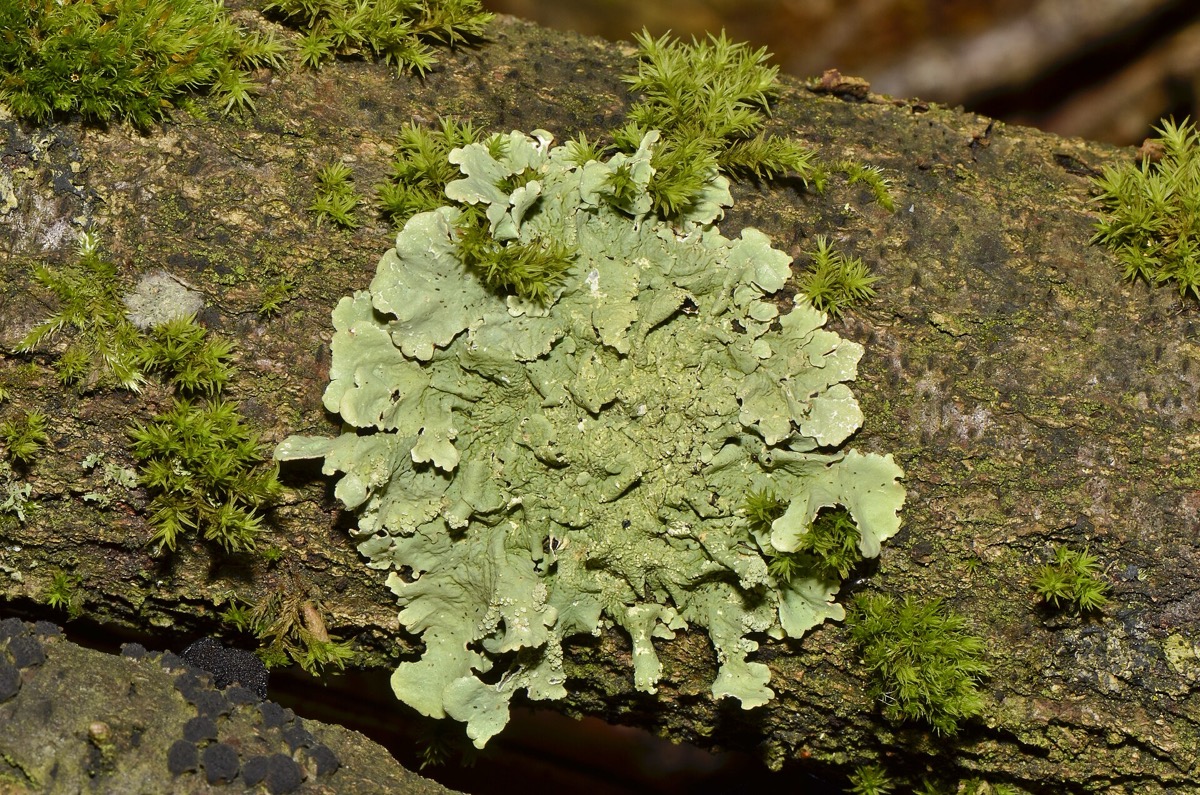
A is a partnership between a fungus and something that photosynthesizes, and it takes up what passes through the air around it. If distance from the source were the whole story, the readings should simply fall as you walk away from a refinery. Lichens were collected at 17 plots. What came out?
Direction mattered as much as distance. Across 17 plots within 20 kilometers of a refinery in Croatia, the models explained the metals, the sulfur and the nitrogen in the lichens far better once direction-specific wind speed and frequency were included. A lichen is a record of what went past in the air, and it has to be read next to a wind map.
A lichen is the cheapest there is, and monitoring around an industrial plant is still often done by distance alone, which assumes emissions spread in rings. They do not. Wind moves them with a strength and a frequency that vary by direction, and the organisms living there absorb a share of whatever passes over them.
The team gathered the lichen Flavoparmelia caperata from 17 plots within 20 kilometers of an oil refinery in Slavonski Brod, Croatia. They measured nickel, zinc, cadmium and lead, sulfur and nitrogen, and alongside those the and pigments that show how the lichen itself is faring.
Generalized linear models let several explanations compete: distance, wind speed and frequency by direction, vegetation density, and which way each sample faced. Direction-specific wind added real explanatory power beyond distance, so a plot further out but can tell a different story from a nearer one the air seldom crosses.
A lichen is not a sensor that identifies individual chimneys. Other emitters, the vegetation around a plot and the site history all leave marks in it, which argues for using it alongside wind data and instrument readings rather than on its own. Used that way, it is cheap coverage of the ground an air station cannot reach.
wat. Lichens around a Croatian refinery recorded the direction of the wind, not only the distance from the stacks.
wat wat
A pollution map drawn as rings around a smokestack can miss the neighborhood that sits in the path of the prevailing wind.
How do we know?
The team measured lichen vitality and the content of nickel, zinc, cadmium, lead, sulfur and nitrogen in one native species at 17 plots. They then modeled those against distance, wind by direction, vegetation density and the orientation of each sample.
What is still unknown
One region and one lichen species. A link to the wind also does not identify the source of every particle caught in a lichen, since other emitters and the history of each site play a part.
Learn something?
Where to next
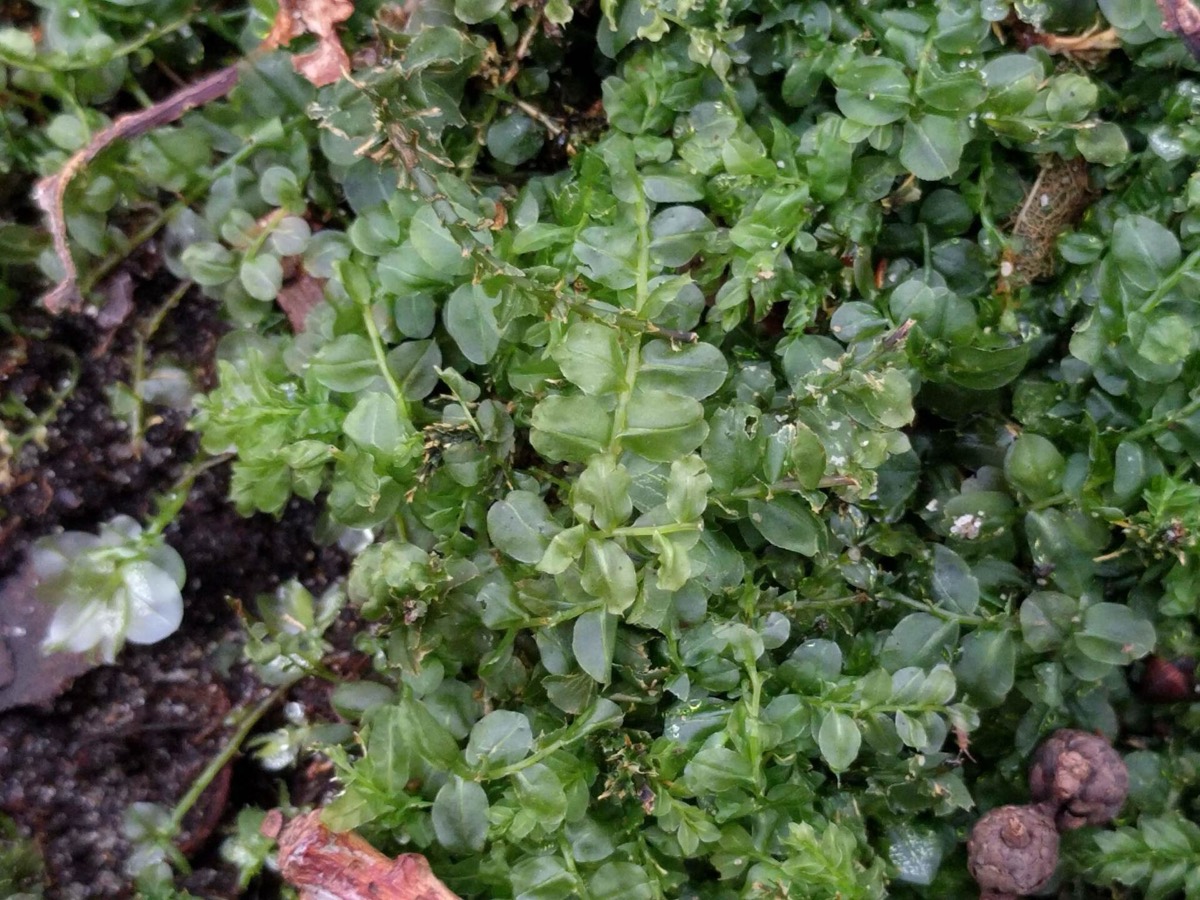 If you want moss to measure your air for you, which moss?air pollution
 How can a cloud hang motionless over a mountain in a gale?wind
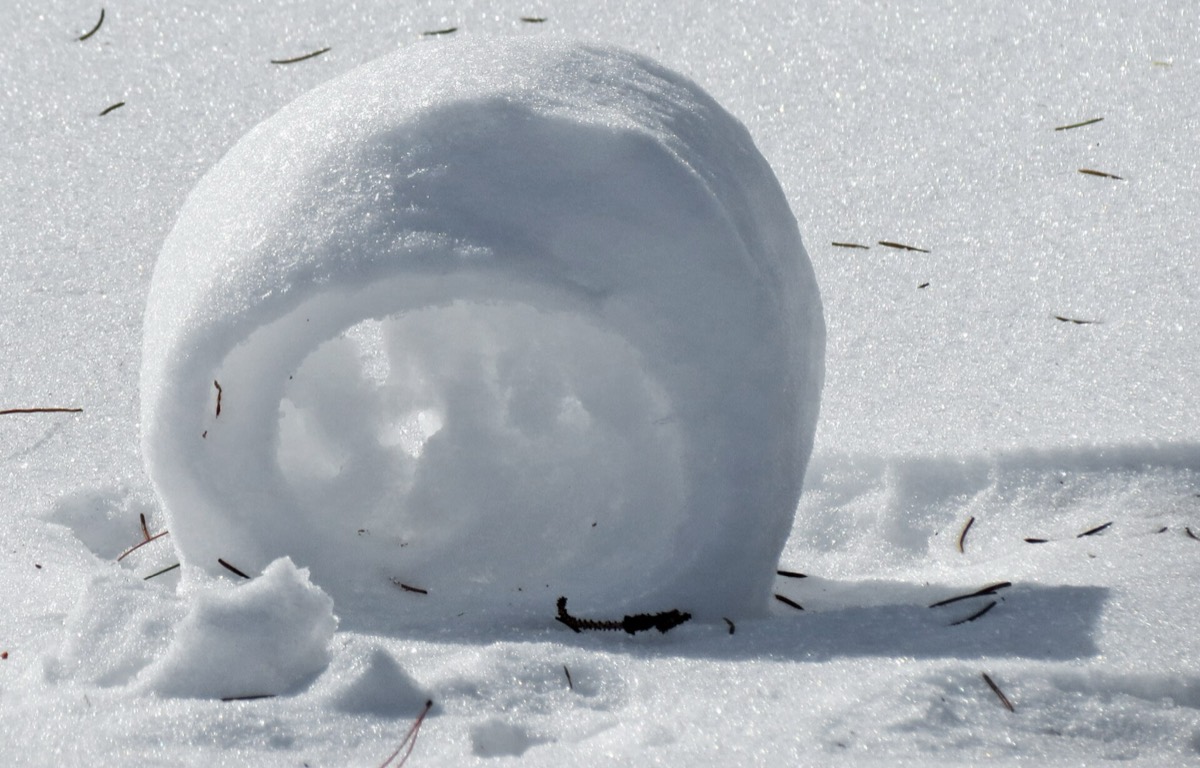 What rolls a field of snow into doughnuts overnight?wind