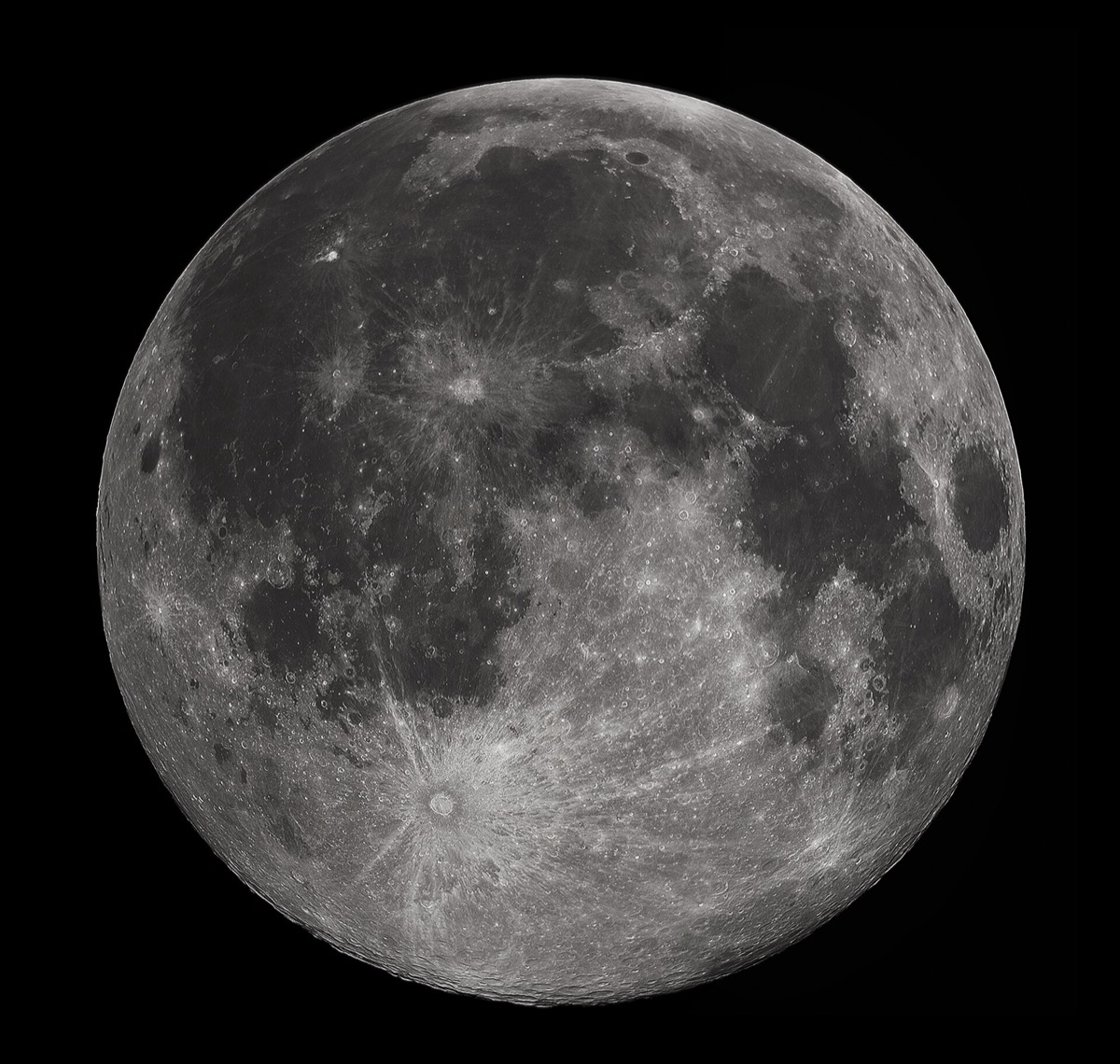
The are raised by the Moon’s gravity, and the relationship runs both ways: the moving water lags slightly behind the Moon and tugs it forward along its orbit. Which means the Moon is leaving. How do you measure something like that?
It is a transfer of . The Moon gains energy and drifts outward by a few centimeters a year while the Earth’s spin is slowed by the same amount of bookkeeping. Astronauts left reflectors on the surface, and ever since, a laser fired from Earth and timed on its return gives the distance to within centimeters.
The link between the Moon and the tides is familiar. What is less familiar is that it runs both ways. The Moon lifts the water, and the water pulls back on the Moon.
The decisive detail is a lag. Friction against the seabed and the continents means the bulge does not sit exactly beneath the Moon but slightly ahead of it, in the direction of the spin. That extra mass pulls the Moon forward, it speeds up and climbs to a wider orbit, and the same action brakes the Earth’s rotation. The transfer of angular momentum is the whole mechanism.
Measuring that to the centimeter across four hundred thousand kilometers sounds impossible, so the solution is elegant. sit on the lunar surface, a laser pulse is fired at them from Earth, and the time it takes to come back gives the distance. From the whole pulse, single photons return, and single photons are enough.
The number is about 3.8 centimeters a year, and two things follow. One is a precise test of gravity, since any departure from the predicted orbit would show up here. The other is across geological time. The rate should not be run backwards blindly: tidal friction depends on where the continents are, and that was very different in the past.
wat. The Moon moves about 3.8 centimeters further away each year, roughly the rate at which fingernails grow.
wat wat
It is a precise test of gravitational theory, and it explains why days on Earth lengthen across geological time.
How do we know?
Laser ranging to the Moon has run continuously since the reflectors were placed. The round-trip time of a laser pulse converts to distance, and the trend has been tracked for decades.
What is still unknown
The rate has not been constant through history. Where the continents sit changes tidal friction, so the present rate cannot simply be multiplied backwards across billions of years.
Learn something?
Where to next
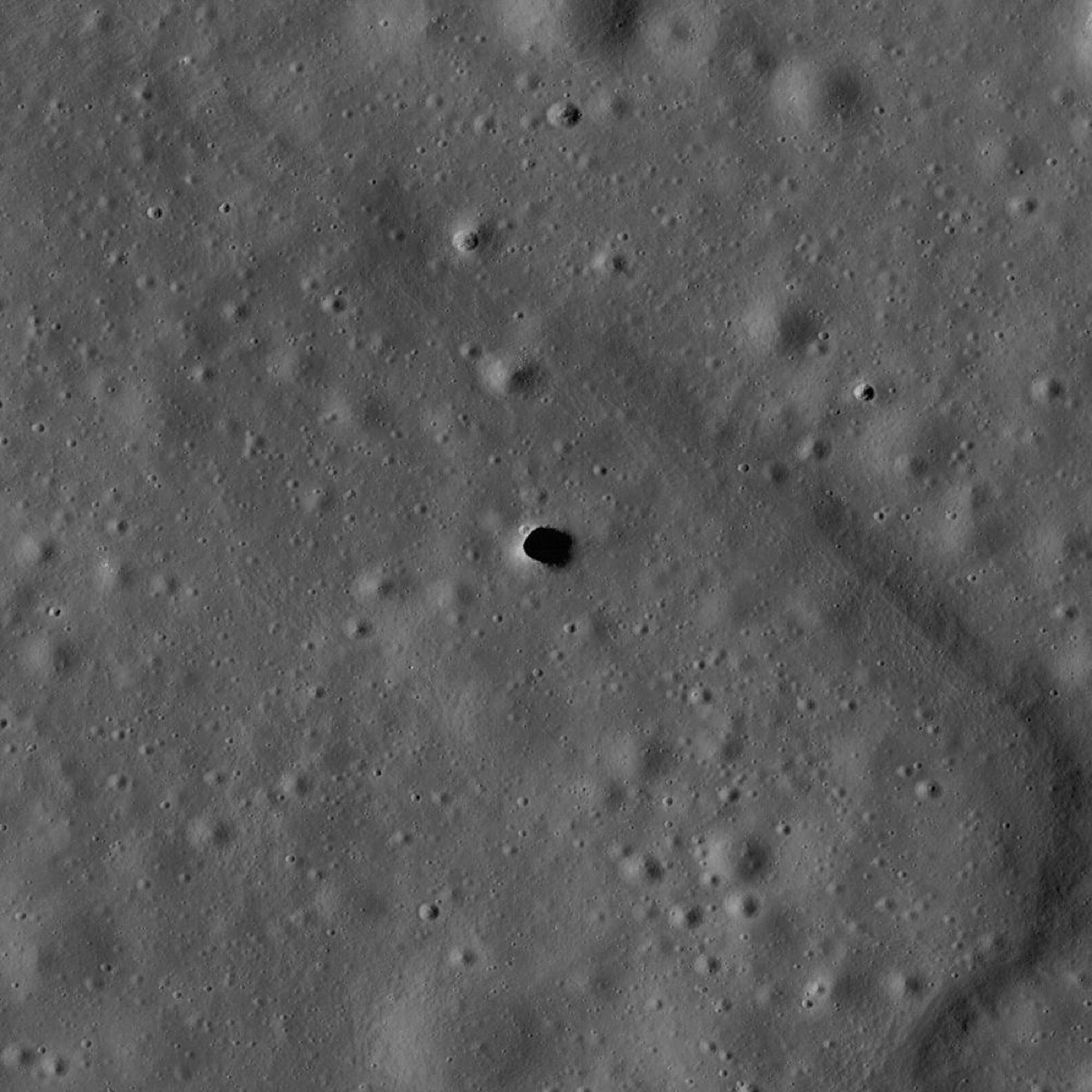 The surface of the Moon swings from extreme heat to extreme cold. What happens inside a deep pit?Moon
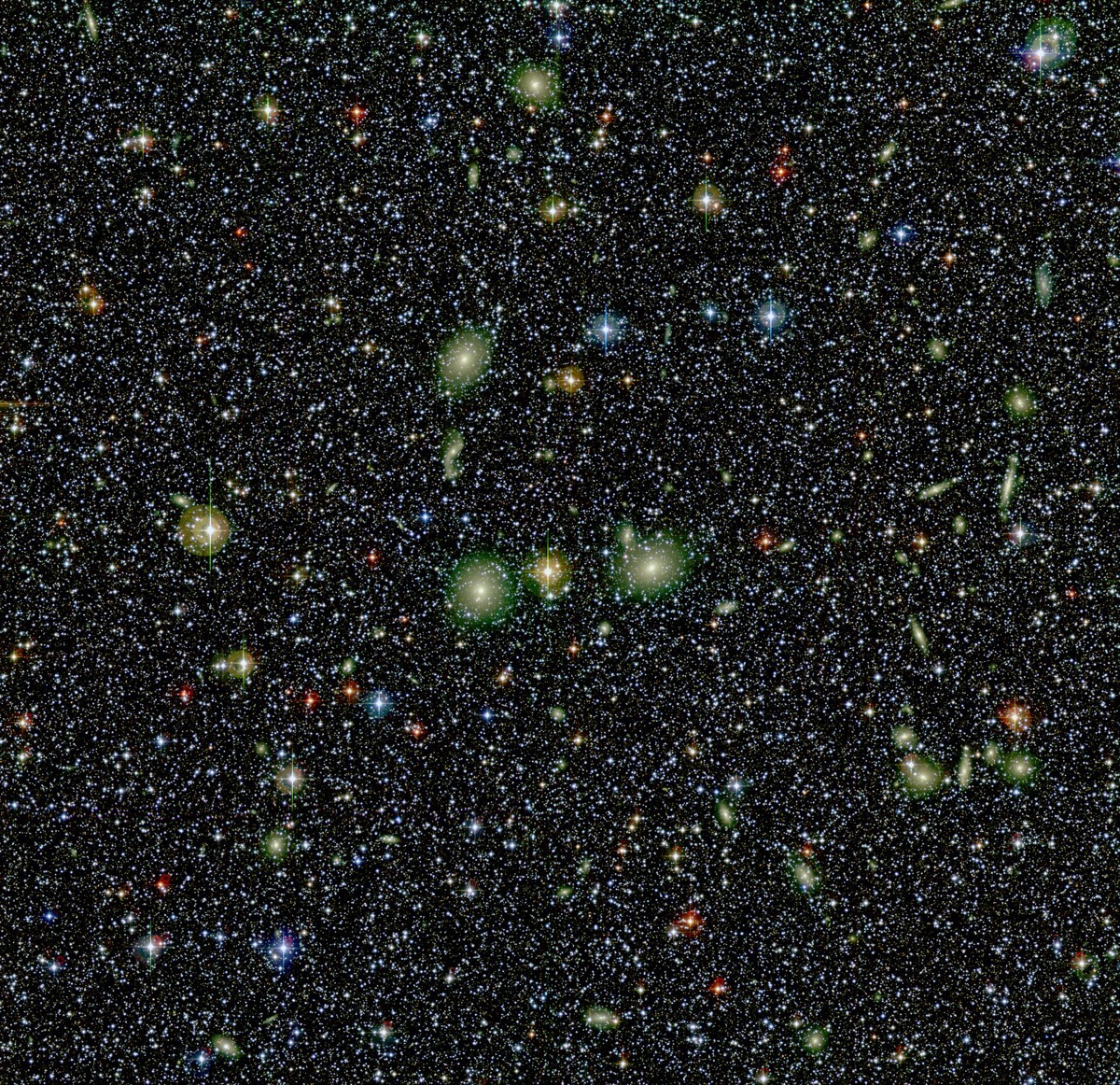 What is pulling the Milky Way, and why can we not see it?gravity
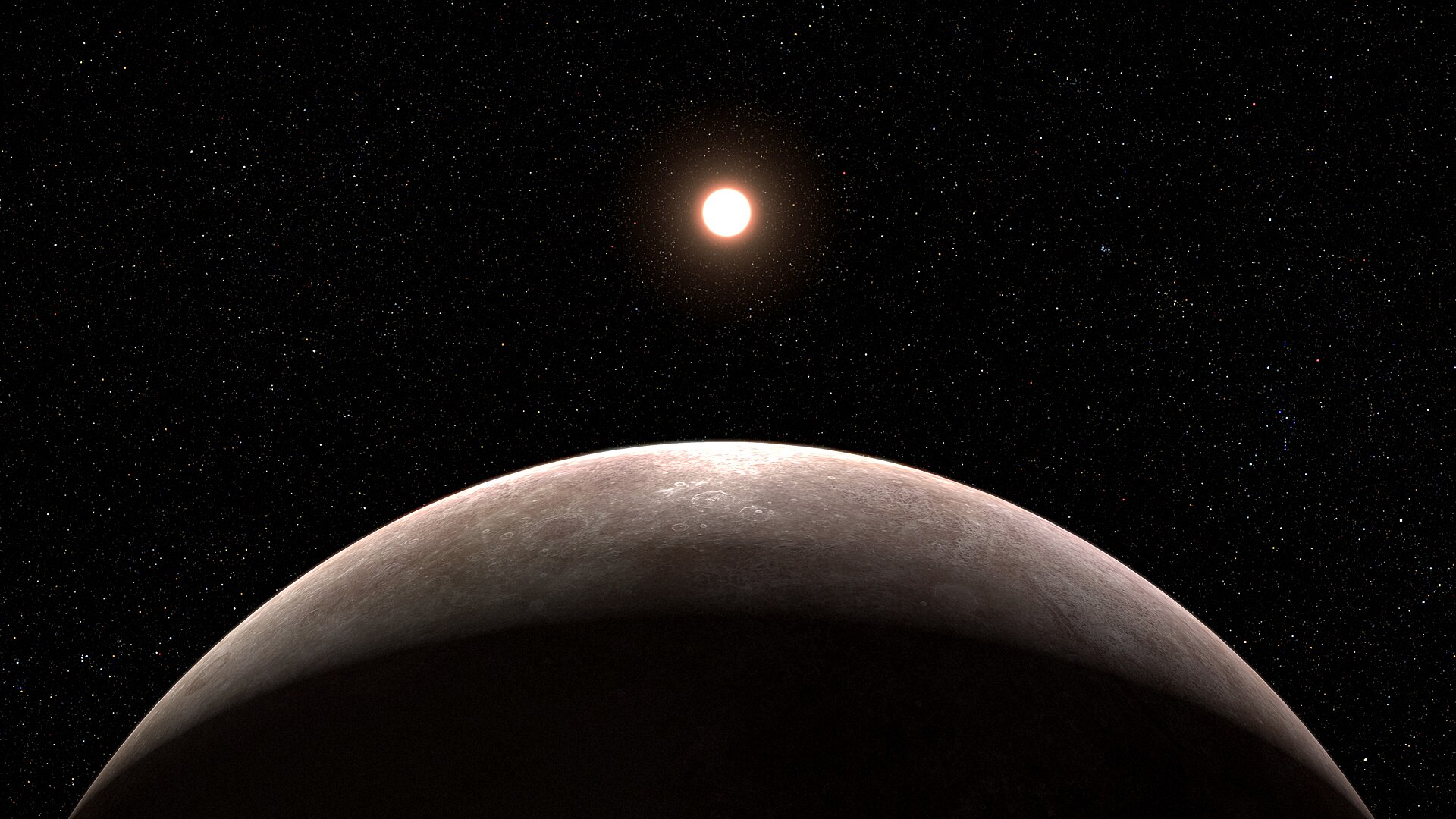 Why do some worlds keep an atmosphere and others cannot?gravity