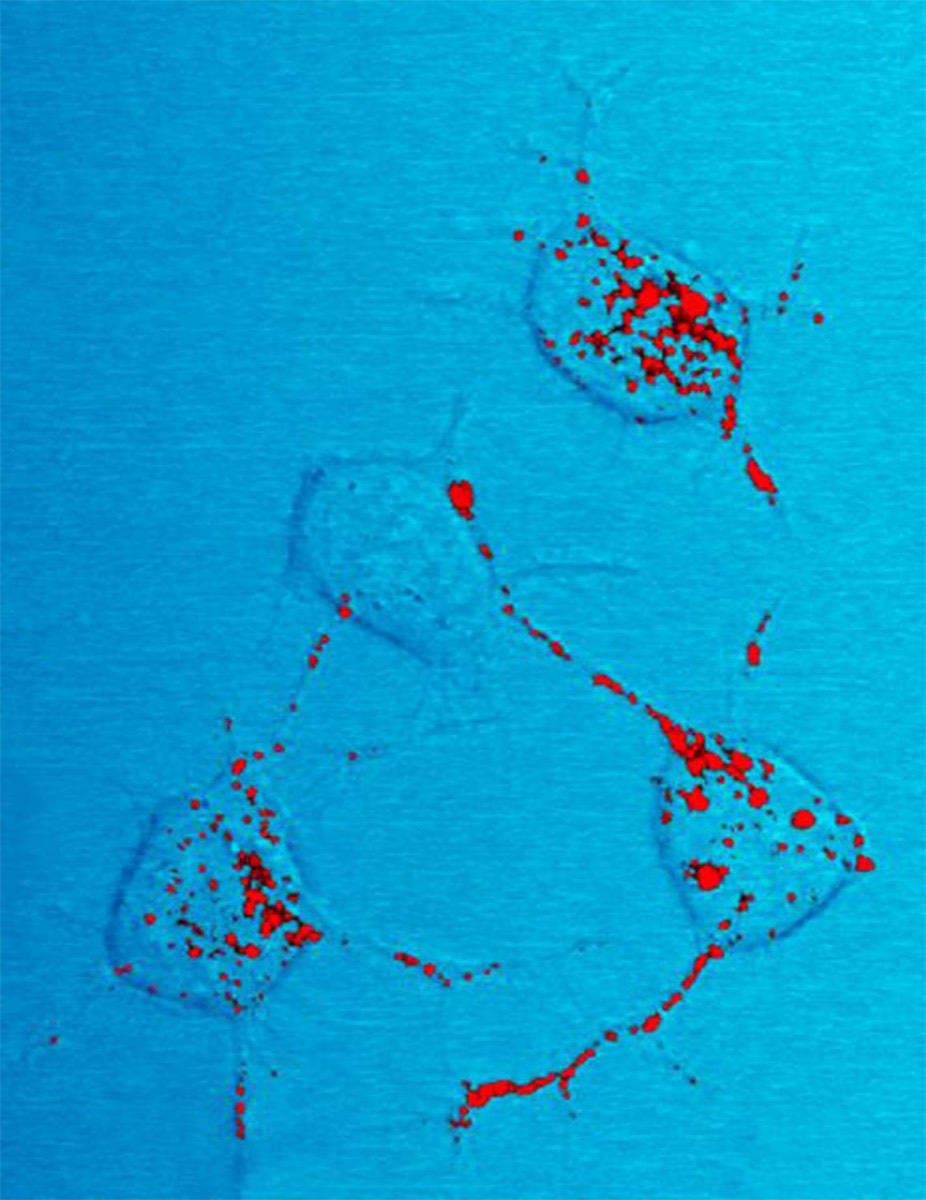
Every infectious agent anyone knew about carried hereditary material, DNA or RNA: bacteria, viruses, fungi, parasites. So when work on in sheep and on two human brain diseases suggested an agent with no nucleic acid at all, the idea was sensational and largely unwelcome. Stanley Prusiner spent a decade chasing it. What did he end up holding?
A protein, and nothing else. By nineteen eighty-two Prusiner and colleagues had produced a preparation from diseased hamster brains containing a single infectious agent, and all the evidence pointed to one protein. He named it a , from proteinaceous infectious particle. The scientific community greeted the claim with great skepticism, and he carried on.
Prusiner started in nineteen seventy-two, after one of his patients died of dementia caused by Creutzfeldt-Jakob disease. It was already established that this disease, along with kuru and the sheep disease scrapie, could be transmitted through extracts of diseased brains. Among the competing theories about the agent was one holding that it contained no nucleic acid, which was sensational at a time when every known infectious agent carried DNA or RNA.
Ten years later he had his preparation: material from diseased hamster brains containing a single infectious agent, with all the experimental evidence pointing to a single protein. He named it a prion. The scientific community met the result with great skepticism, and the press release says so in as many words.
The next question was where the gene for it sat. In nineteen eighty-four Prusiner and colleagues isolated a gene probe and showed the prion gene is present in every animal tested, including humans. That looked at first like a refutation. The resolution was that the protein, PrP, folds into two distinct , one normal and one disease-causing, and that the disease-causing form converts the normal form into more of itself in a chain reaction.
The disease-causing form is extremely stable: resistant to proteolysis, to organic solvents and to temperatures above the boiling point of water. Incubation runs symptom-free for months or years while it accumulates, until brain tissue damage appears, with the characteristic porous and regions. Prusiner’s work also bears on other dementias, Alzheimer’s disease among them, and on where treatment might eventually come from.
wat. The infectious thing is not a creature. It is a wrong fold, and it teaches the right folds to copy it.
wat wat
A shape, not a sequence, turned out to be able to replicate itself. That is a mode of inheritance with no genetics in it, and it put a new category on the list of infectious agents.
How do we know?
The Nobel Assembly at the Karolinska Institute press release for the nineteen ninety-seven prize in Physiology or Medicine lays out the sequence of Prusiner’s work and what each step established.
What is still unknown
A prize announcement. It presents the conclusion the Assembly reached in nineteen ninety-seven, and the claim it describes was contested for years before that, which the text itself records.
Learn something?
Where to next
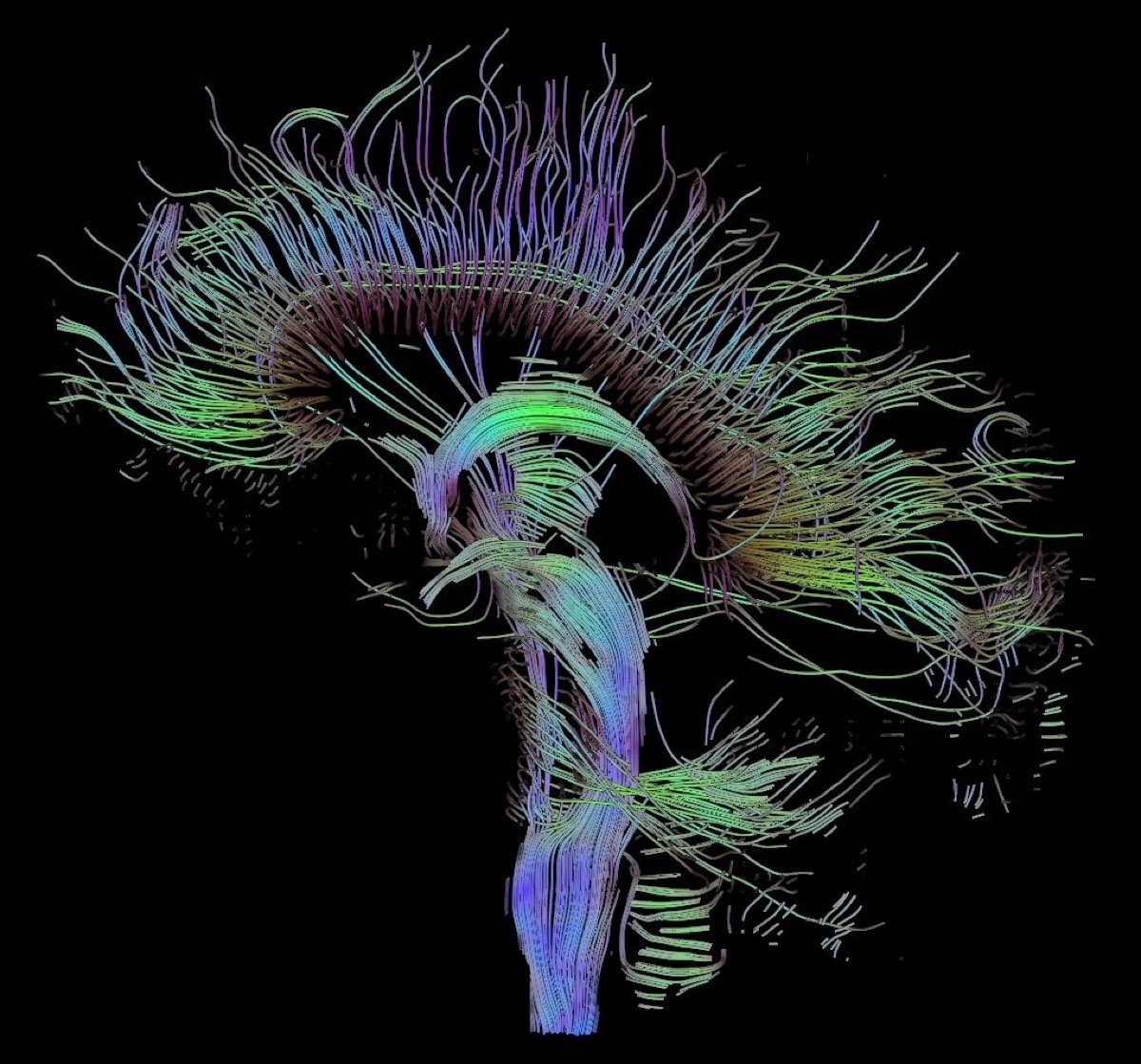 What does the brain do at night that it cannot get done by day?brain
 Why does somebody else’s yawn catch you in particular?brain
 Are some people really "right-brained" and others "left-brained"?brain