Plastic debris is ingested by hundreds of species, from zooplankton to baleen whales, and how such a diversity of consumers can mistake it for prey is largely unknown. Explanations usually reach for appearance. The sensory mechanisms behind plastic detection and consumption have rarely been examined.
Because it smells like dinner. microplastics produce a signature, and that compound is a in natural trophic interactions. Among , the species that respond to dimethyl sulfide are the ones that ingest plastic most often, which makes the debris an olfactory trap.
Plastic debris is ingested by hundreds of species of organisms, from zooplankton to baleen whales, but how such a diversity of consumers can mistake plastic for their natural prey is largely unknown. The sensory mechanisms underlying plastic detection and consumption have rarely been examined.
The authors show experimentally that marine-seasoned microplastics produce a dimethyl sulfide signature. The same compound is a keystone odorant for natural trophic interactions, which is what gives the finding its reach beyond one material.
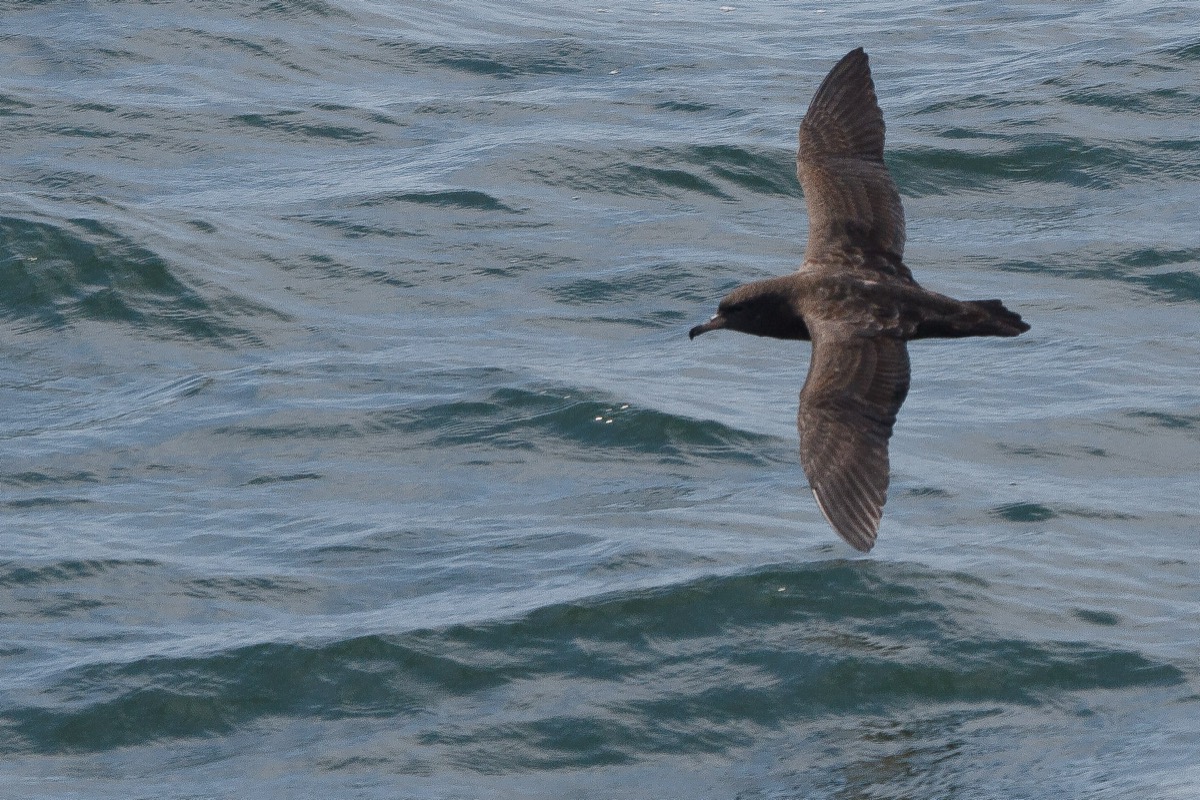
They then connect the chemistry to behavior across species. Using procellariiform seabirds as a model taxonomic group, they find a positive relationship between responsiveness to dimethyl sulfide and the frequency with which a species ingests plastic.
Together these results suggest that plastic debris emits the scent of a marine infochemical, creating an olfactory trap for susceptible wildlife. The trap works on exactly the animals whose foraging depends on trusting that smell, which is a harder problem than one of mistaken appearance.
wat. Plastic left in the sea starts to smell like the food that grows on it.
wat wat
If the lure is a smell rather than a shape, making plastic look less like prey solves nothing.
How do we know?
Savoca and colleagues seasoned microplastics in the ocean and analyzed the volatile compounds coming off them, then compared known responsiveness to dimethyl sulfide against recorded plastic ingestion frequency across seabird species.
What is still unknown
One odorant and one bird order, with the ingestion link drawn across species rather than tested in individuals.
Learn something?
Where to next
 Why does an ice shelf already floating in the sea still matter for sea level?ocean
 What happens to a young seabird that swallows a few grams of plastic?plastic
 How much carbon sits in the kelp forests off northern Portugal?ocean