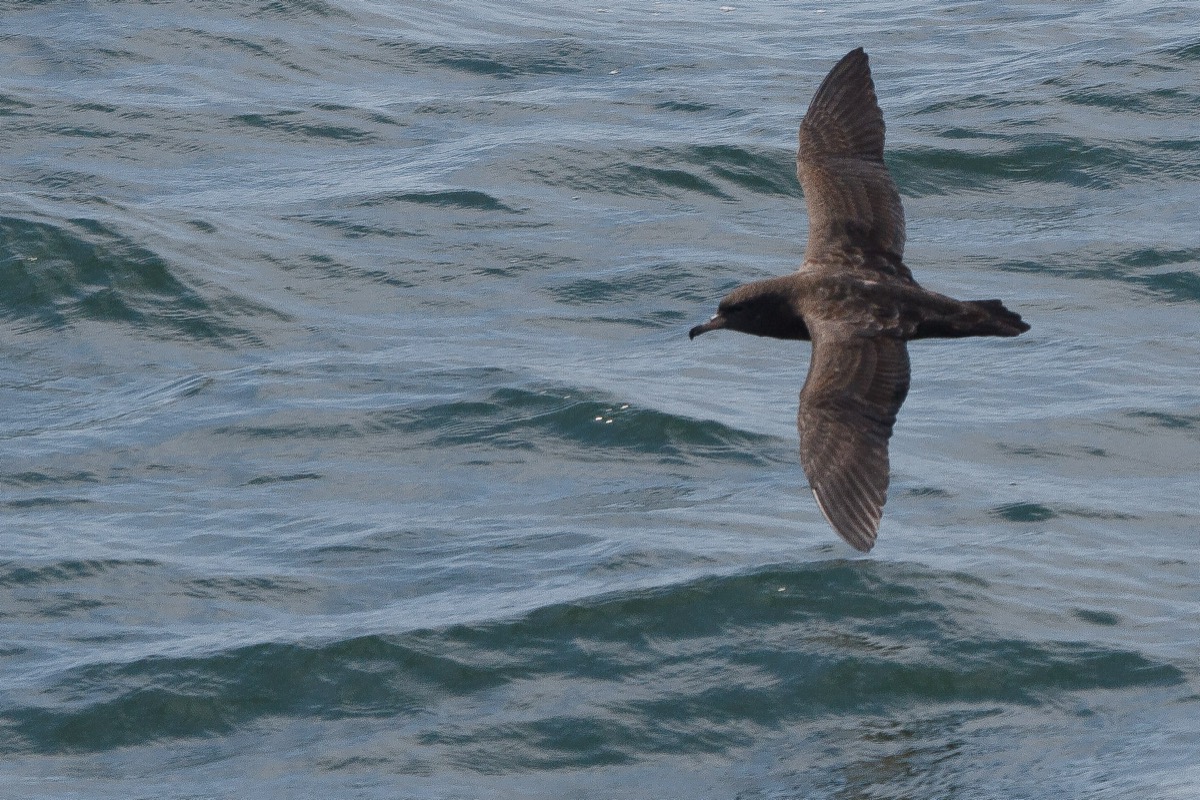
Plastic in the belly of a seabird is not only a hard sight, and whether it really harms them is harder to know. Across fifteen years of monitoring, young in Australia were tagged, the plastic they had swallowed before leaving was weighed, and who came back was recorded. What was found?
Curiosity counts. Here is the answer.
Fifteen years of monitoring linked the quantity of plastic swallowed when the birds were young with the chance of being seen again on the island. This is an observational relationship, so it does not prove plastic alone caused every absence.
They are much less likely to come back. Among young birds carrying more than a gram of plastic, the chance of returning to the island as adults was at least 11 per cent lower. Those that had swallowed more than five grams were almost never seen again. An absence can come from death or from moving elsewhere, so the work is careful about inferring the fate of any individual bird.
Many studies show plastic in the stomachs of seabirds, and whether it changes the future of a population is harder to know. To test that you have to follow young birds for a long time after they leave the nest.
The team used 15 years of data from , in which birds were marked and checked again in later years. The quantity of plastic the young had swallowed was compared with the chance that they would return to the island where they hatched and join the breeding population.
Swallowing more than one gram was linked to a drop of at least 11 per cent in the probability of returning. Birds with more than five grams were almost never seen again. These are not small numbers when the generation in question is the one meant to replace the adults.
The work is rather than an experiment in which only the plastic varies, and an absence from the island is not a death certificate. But the length of the monitoring and the link between quantity and outcome strengthen the concern that plastic matters beyond the immediate harm to one bird.
wat. Young shearwaters that had swallowed more than five grams of plastic were almost never seen again on the Australian nesting island.
wat wat
The harm from plastic is not confined to the stomach of one bird; it may affect how many young later join the breeding population.
How do we know?
Tagging and repeated monitoring of young shearwaters over 15 years, compared with the weight of plastic found in them.
What is still unknown
The relationship is observational and does not prove the whole gap was caused by the plastic. A bird that did not return to the island is not necessarily dead, although the absence is troubling.
Learn something?
Where to next
 Why would a seabird mistake plastic for food?plastic
 Could you stand on the Great Pacific Garbage Patch?plastic
 What did researchers find in blood samples from perfectly healthy people?plastic