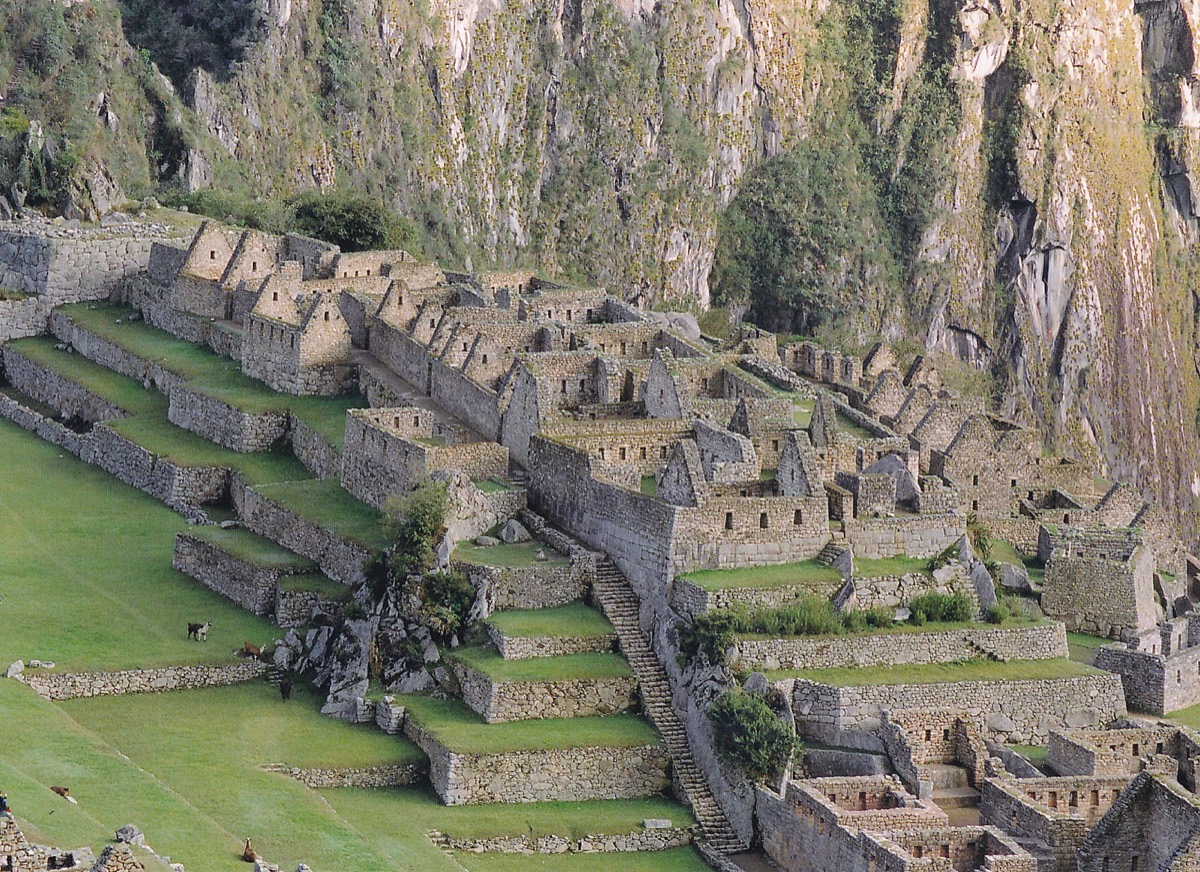
Local people did, and the published pictures left them out. Reviewing Amy Cox Hall’s study of the archives, the reviewer picks out a count. Of the 244 illustrations in the 1913 National Geographic issue on the expedition, only six show local workers, whose labor and knowledge were essential to it.
Hall’s argument is that the camera did the work. It was through photography, she contends, that Hiram Bingham turned an of a lost city into something that counted as fact. Bingham thought the camera a scientific tool and the Andean landscape a laboratory for testing Kodak’s latest technology, and the shaped the story.
Amy Cox Hall’s book goes into the archives of Hiram Bingham and the Yale Peruvian Expedition of 1911, 1912 and 1914 to 1915. She examines how turned Machu Picchu into a national icon and a recognized heritage site. Her central contention, as the review puts it, is that the camera is what turned an imagined discovery of a lost city into established fact.
Bingham took photography seriously as method. He thought the camera a scientific tool and the Andean landscape a laboratory for experimenting with Kodak’s latest technology. Using cameras, lenses, tripods and tank developers to that end was harder than it sounds: the expedition had to learn the technology, systematize the records it produced, and cope with a damp and unpredictable climate. The resulting photographs obscure all of that.
The clearest evidence is a count. The expedition’s images appeared in a 1913 National Geographic issue titled "In the Wonderland of Peru", and the photographic narrative the magazine constructed emphasized the place’s remoteness by emptying the landscape of people. Of 244 illustrations, only six show local workers, whose labor and knowledge were essential for the expedition.
What happened next in Peru is the part the reviewer finds most interesting. The images were received and reframed there, contributing to the nationalist project of cuzqueño intellectuals such as José Gabriel Cosio, who understood Machu Picchu as a symbol of national belonging. That project celebrated the Incan past and required the removal of what Hall calls the degenerative indigenous present. It helps explain why anthropometric photographs taken of local patients by two US physicians on the expeditions never circulated. One caution: this is a review relaying Hall’s evidence rather than the study itself.
wat. Two hundred and forty-four photographs, six of them showing the people who knew the way.
wat wat
Discovery is a claim about who did not know, not only about who found out. Counting how many published photographs show the people who guided the expedition is one way to see that claim being built.
How do we know?
A review in the Hispanic American Historical Review of Hall’s book. She draws on the archives of Hiram Bingham and the Yale Peruvian Expedition of 1911, 1912 and 1914 to 1915: photographs, correspondence, reports, newspapers and magazines.
What is still unknown
This is a book review rather than the study itself, so it reports Hall’s argument and evidence at one remove. The counts and page references are hers, relayed by a reviewer who largely agrees with her.
Learn something?
Where to next
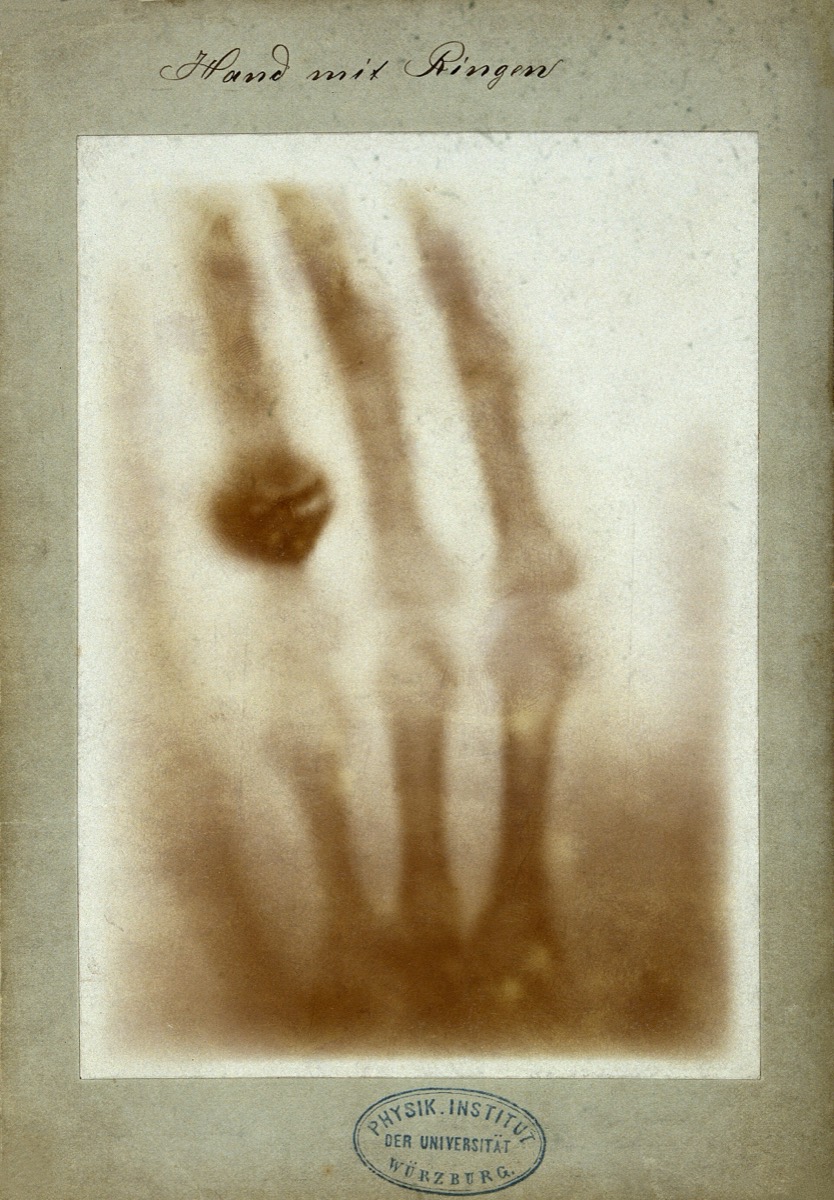 How did the world find out about X-rays?discovery
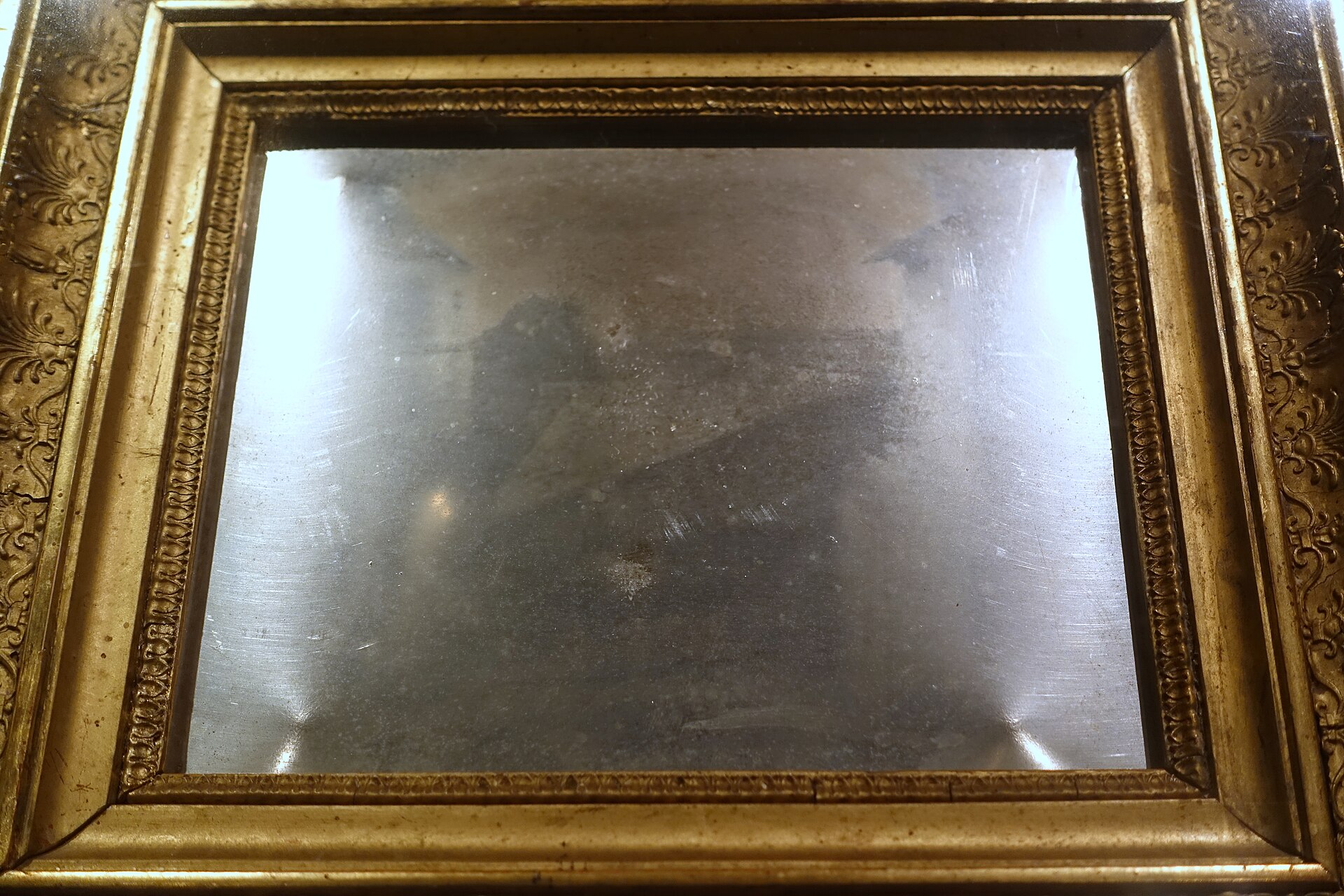 How long did the first photograph take to expose?photography
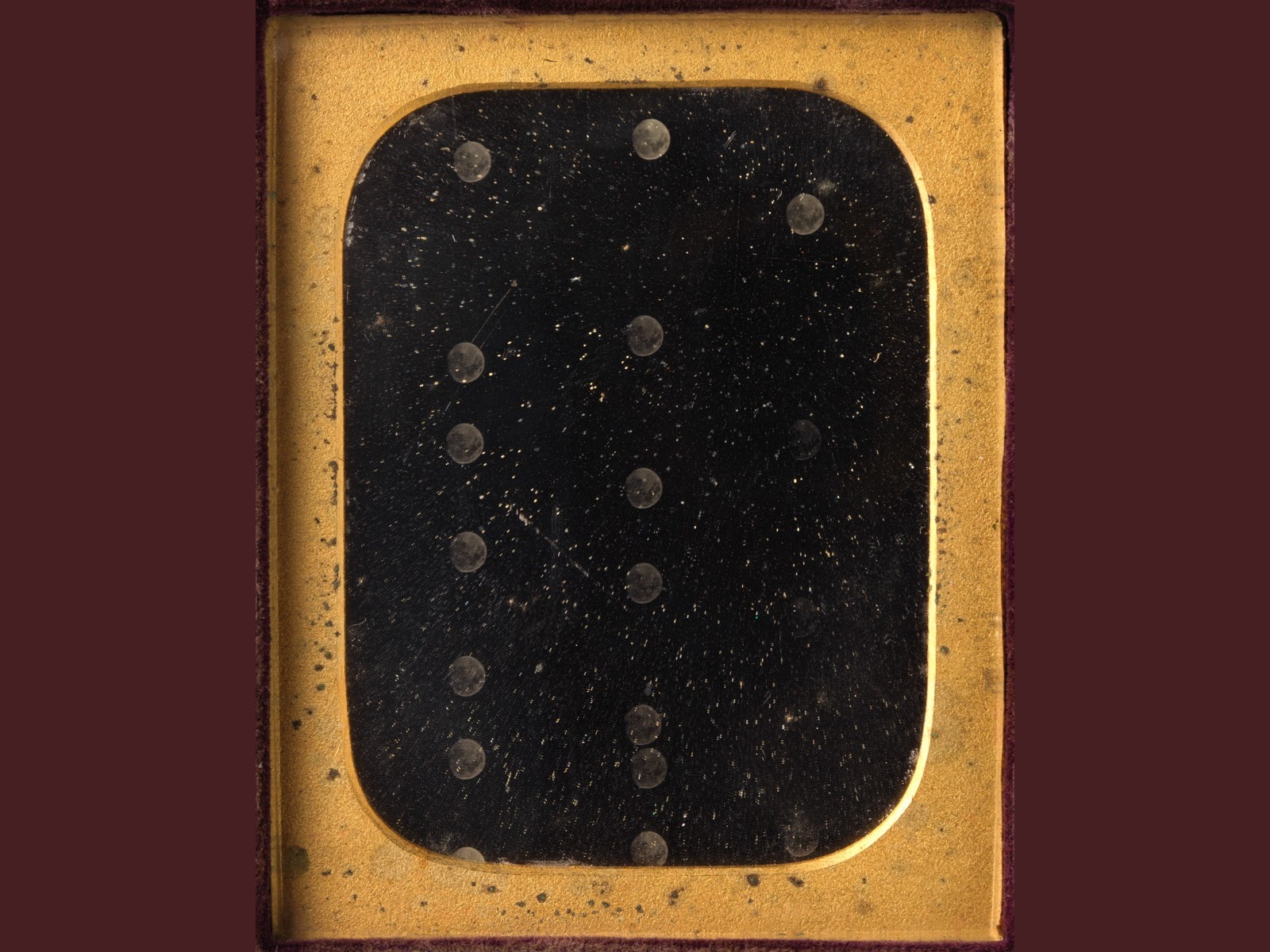 Why are there eighteen moons on one early photographic plate?photography