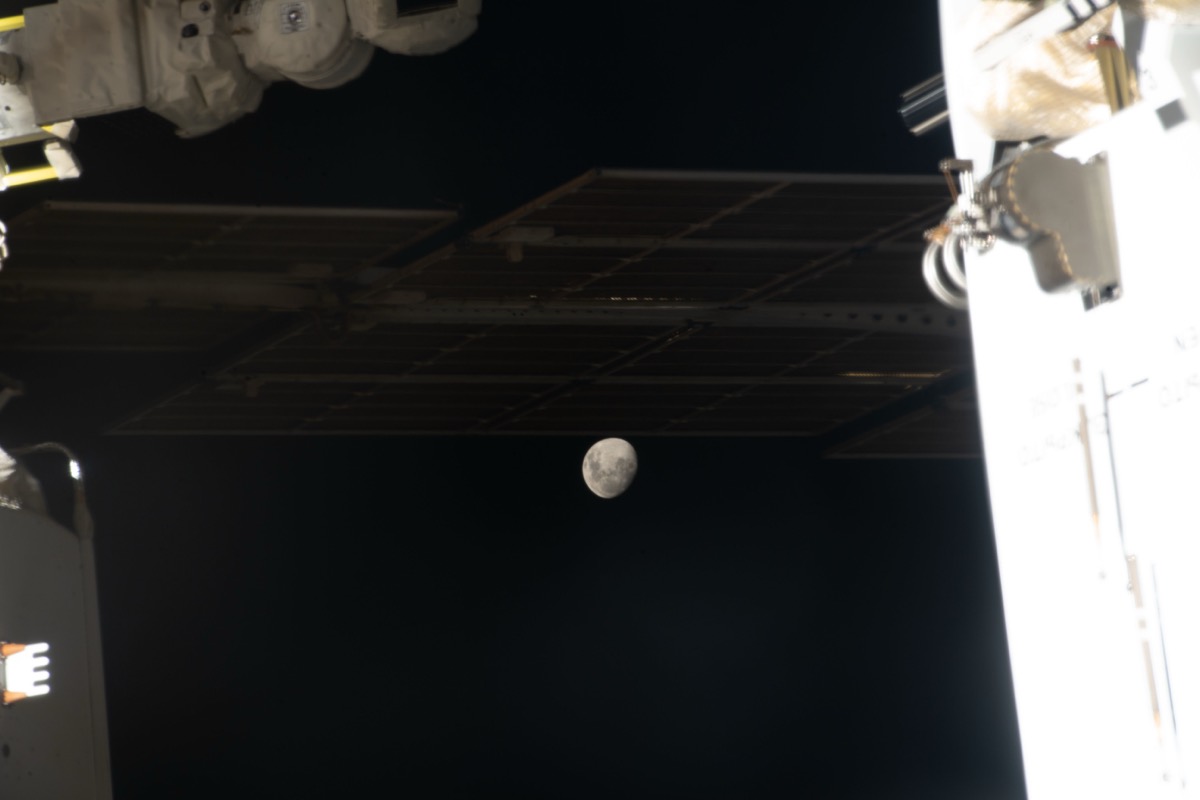
In a lunar eclipse the Moon enters the Earth’s shadow, opposite the Sun, and the shadow sweeps across its surface. Unlike a solar eclipse, this one is visible from everywhere on Earth that the Moon is above the horizon. If the Earth simply blocked the sunlight the Moon would go black. It usually does not.
Our atmosphere bends sunlight into the shadow. Part of the sunlight, especially the redder light, penetrates the Earth’s atmosphere, is into the and reaches the Moon, so the disk stays dimly lit while it is inside the . Meteorological conditions on Earth strongly affect how much light gets through and what color it is.
A lunar eclipse is the Moon entering the shadow of the Earth, opposite the Sun, so that the Earth’s shadow sweeps over the Moon’s surface. It can be seen under similar conditions at every place on Earth where the Moon is above the horizon, which is the reverse of a solar eclipse and its narrow track of totality.
They happen only at full moon, and not at every full moon. The plane of the Moon’s orbit is inclined to the plane of the Earth’s orbit, the , by about five degrees. So at most new and full moons the Earth, the Sun and the Moon are not in a straight line, and the shadow misses.
The sequence has a direction. Because the Moon moves from west to east, an observer facing south sees the shadowing begin at the Moon’s left edge, and the opposite for an observer with the Moon to the north. Once part of the surface is in the umbra and darkened, the eclipse is partial. If it is total and circumstances are favorable, the whole disk crosses the umbra in about two hours.
Through all of that the Moon is usually not completely dark. A part of the sunlight, especially the redder light, penetrates the Earth’s atmosphere, is refracted into the shadow cone and reaches the Moon. How much arrives, and what color it is, depends strongly on meteorological conditions on Earth at the time, which makes every total eclipse a slightly different shade.
wat. The red light on an eclipsed Moon is sunlight that has been through every sunrise and sunset on Earth at once.
wat wat
The color is a report on our own air. The light falling on an eclipsed Moon has passed through the whole ring of Earth’s atmosphere, weather included.
How do we know?
Britannica’s astronomy entry on lunar eclipses, which sets out the geometry, why they happen only at full moon, how long totality takes, and where the light that reaches the shadowed Moon comes from.
What is still unknown
An encyclopedia entry on the phenomenon, not an account of any particular eclipse or photograph. It says meteorological conditions strongly affect the amount and color of the light without quantifying either.
Learn something?
Where to next
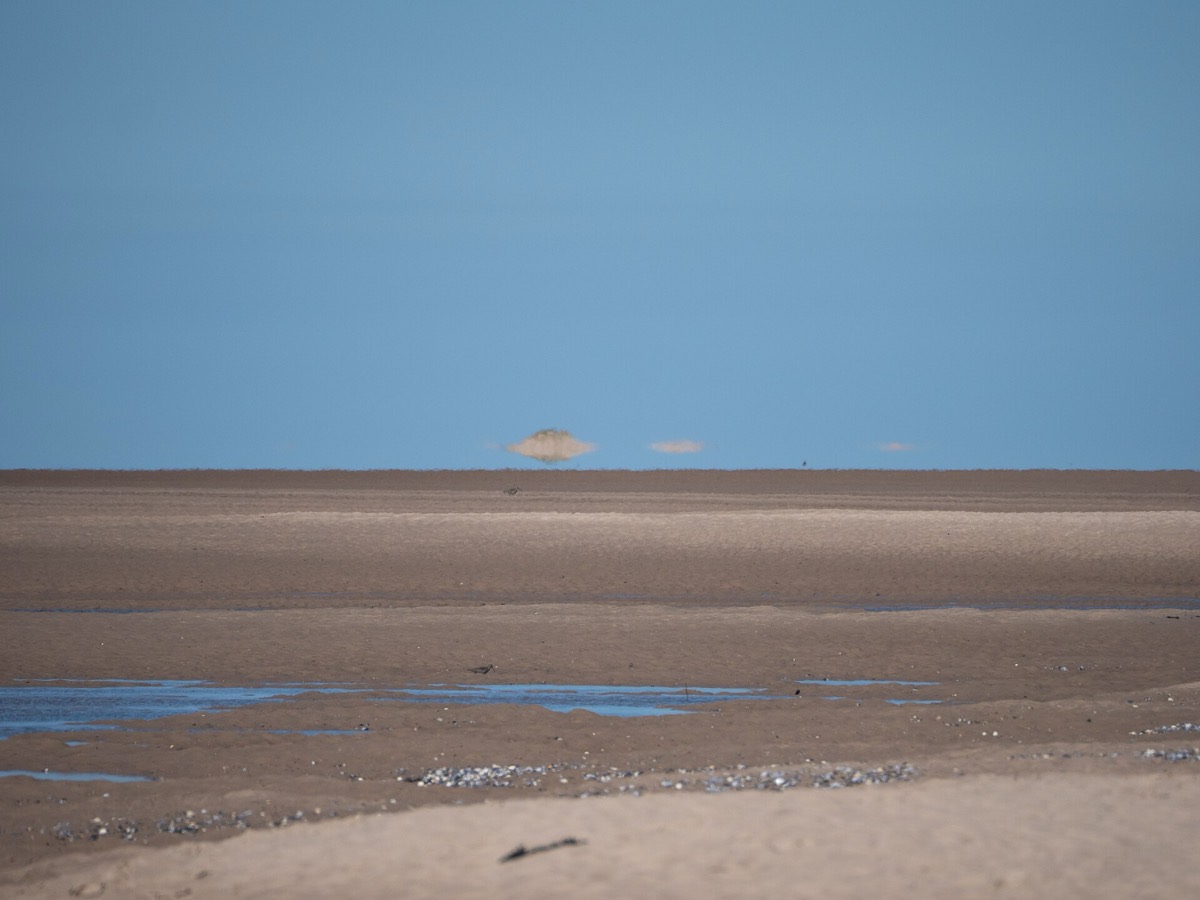 How can a distant ship look as though it is floating above the sea?refraction
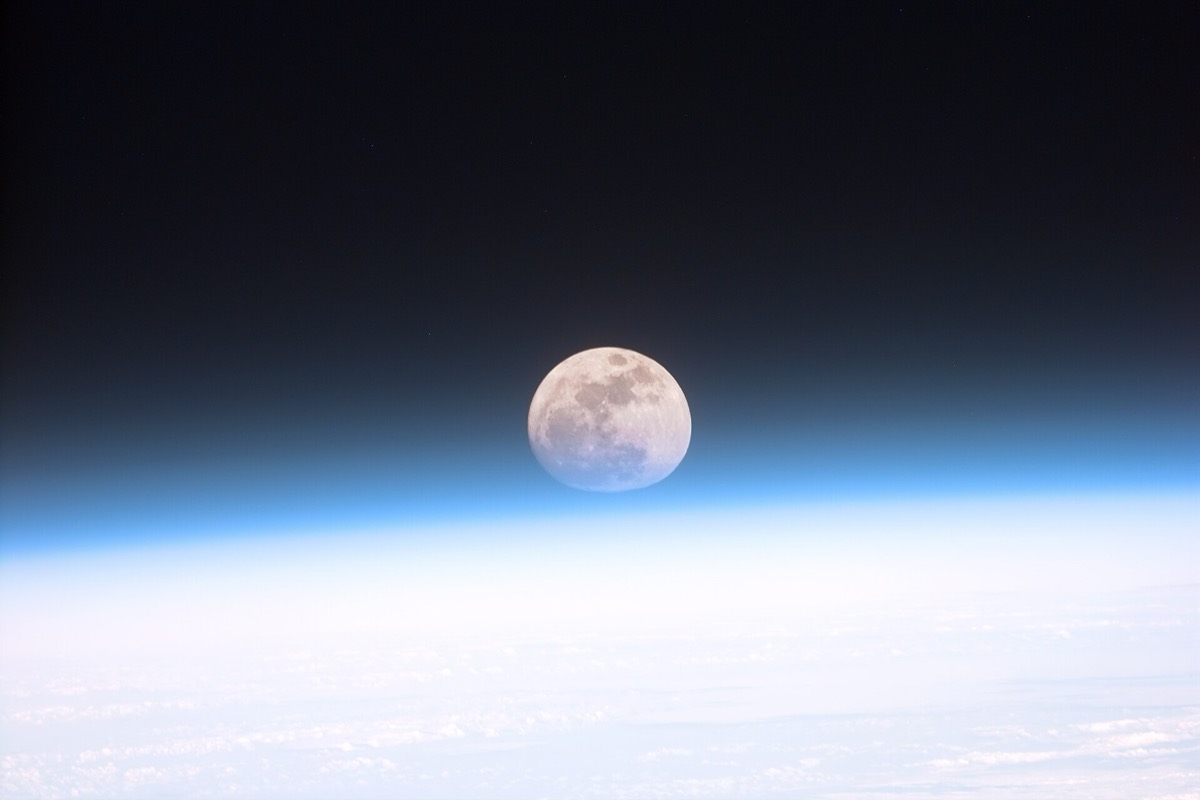 Why is the day not the same length it has always been?moon
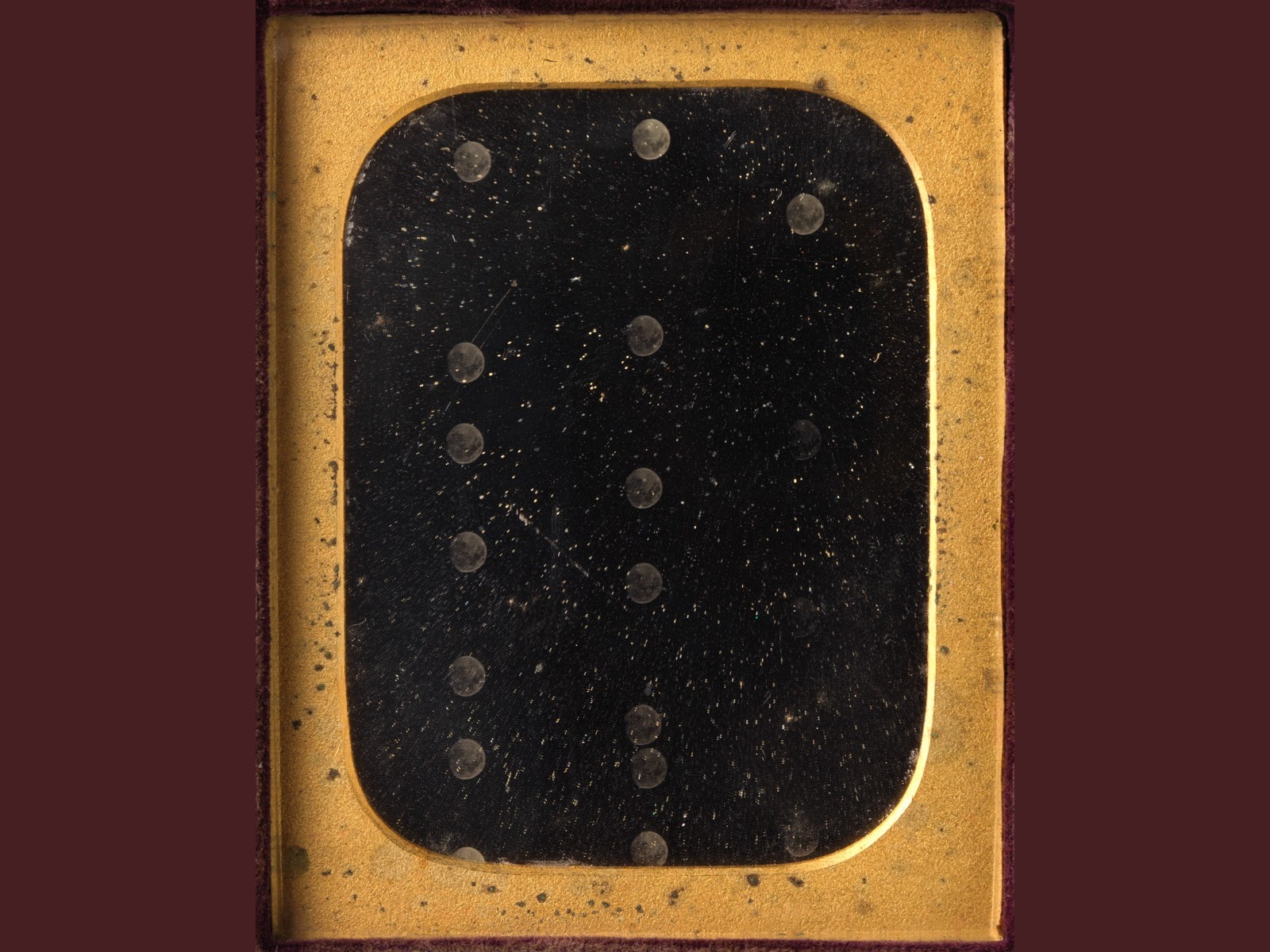 Why are there eighteen moons on one early photographic plate?moon