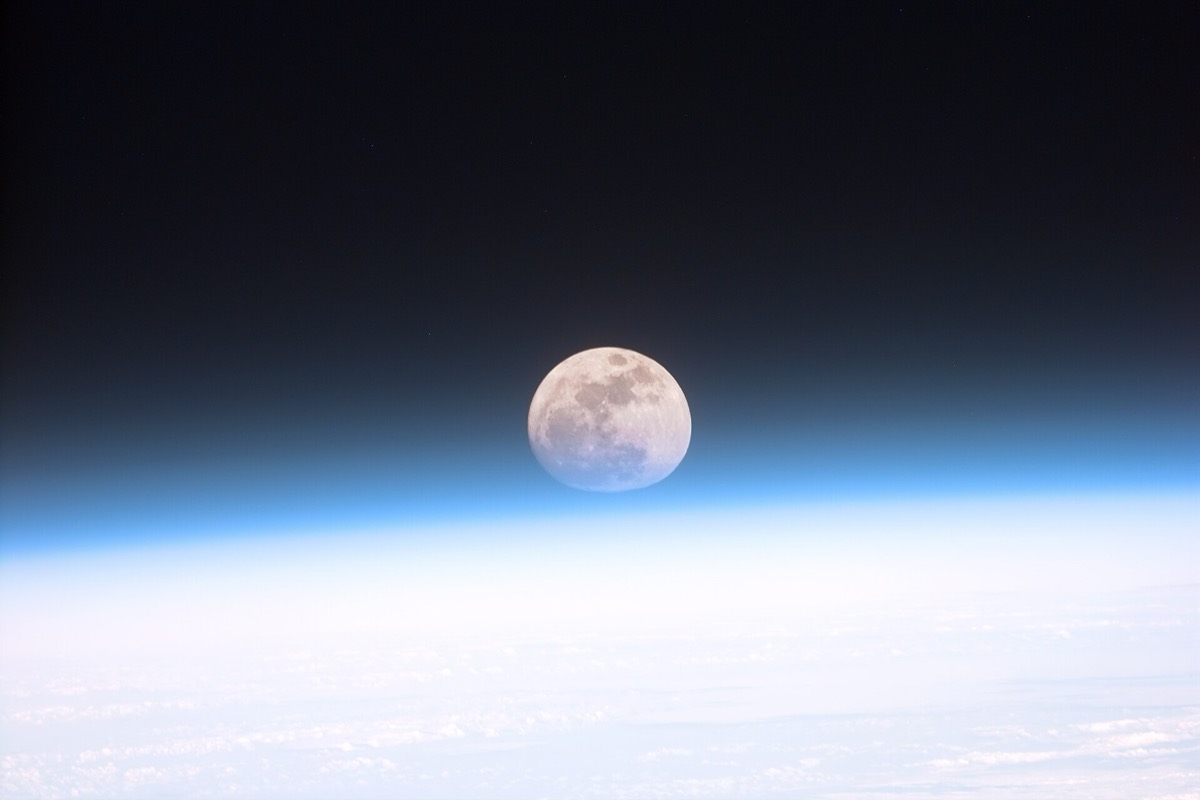
Tides and the Earth-Moon system are coupled over geological time. Energy dissipated by tides on Earth slows the planet’s rotation and pushes the Moon’s orbit outward, while dissipation inside the Moon pulls in the other direction on its inclination, eccentricity and distance. Daher and colleagues integrated the whole system backwards for four and a half billion years. What does that give?
A longer day, and a receding Moon, at a rate that keeps changing. Tidal dissipation in the oceans and the solid body increases both the distance to the Moon and the length of day over time. How fast depends on the arrangement of the continents, the length of day itself and mean sea level, so the rate is not a constant. A faster-rotating early Earth dissipated energy less efficiently.
Tidal dissipation in the oceans and the solid body of the Earth causes the distance to the Moon and the length of day to increase over time. The same process changes the eccentricity and tilt of the lunar orbit, and the obliquity of the Earth, the angle between our equator and the plane of our orbit around the Sun.
Dissipation inside the Moon pushes the other way. Tidal and core-mantle boundary dissipation there decrease the lunar inclination, eccentricity and , and there was a period in the distant past when that lunar dissipation was large. Before then, the evolution of inclination and eccentricity is dominated by it, which yields high lunar orbit inclinations early on.
What makes the rate vary is geography. The efficiency of tidal dissipation depends on the geometrical configuration of the continents, the length of day, and mean sea level, itself affected by plate tectonics and by whether large ice caps exist. A faster-rotating Earth generally yields lower normalized dissipation rates, and the present arrangement of continents enhances some tides through resonance.
The study integrates the system backwards for four and a half billion years with explicit ocean tide models rather than idealized ones. over reconstructed basin handle the uncertain plate tectonic history. One consequence matters for climate: absolute on the early Earth may have exceeded present rates, because the Moon was closer.
wat. The oceans are a brake. Where the continents sit decides how hard it is applied, which is why the day lengthens unevenly.
wat wat
The length of a day is usually treated as a constant of the planet. It is a running total of how much energy the oceans have taken out of the Earth’s spin, and the oceans have moved.
How do we know?
Daher and colleagues integrated the Earth-Moon system backwards using orbital dynamics with explicit, non-idealized ocean tide models, running Monte Carlo simulations over reconstructed ocean basin paleogeometries.
What is still unknown
The authors name a drawback outright: the lunar distance in their results does not collapse to near-zero at four and a half billion years, as most lunar formation models indicate it should. Processes missing from the work are left for future investigation.
Learn something?
Where to next
 Why is every look at the sky a look into the past?time
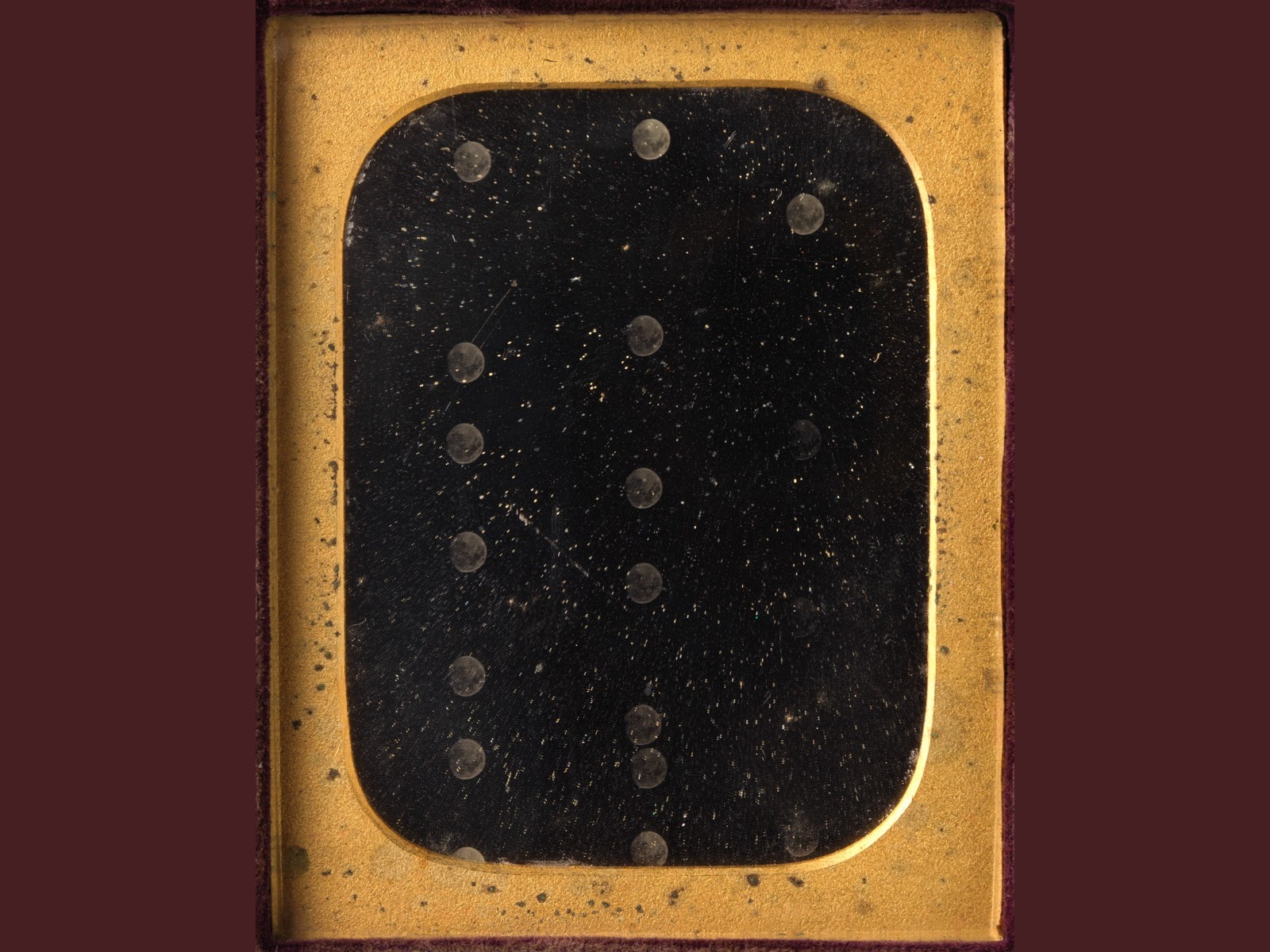 Why are there eighteen moons on one early photographic plate?moon
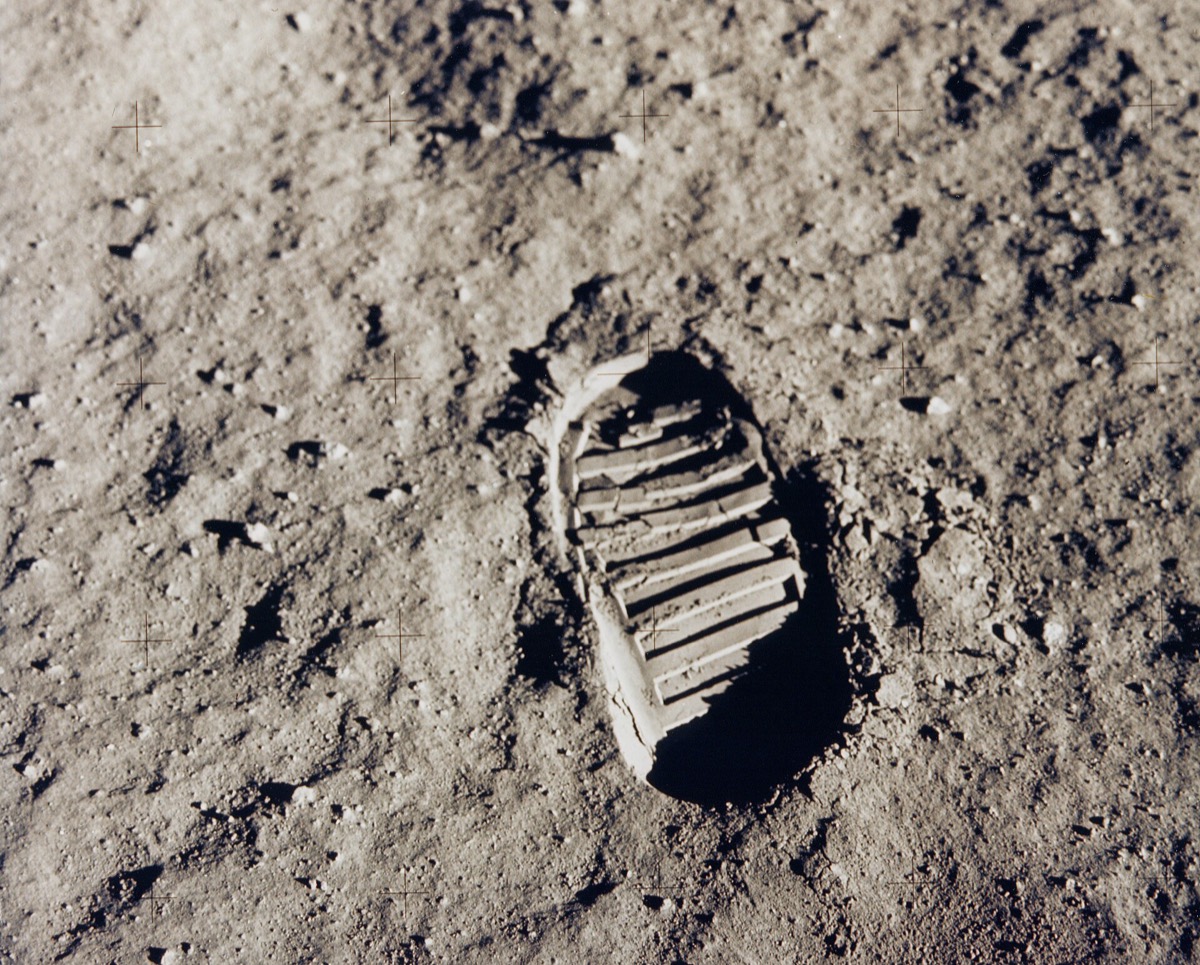 How long does a footprint last where there is no weather?moon