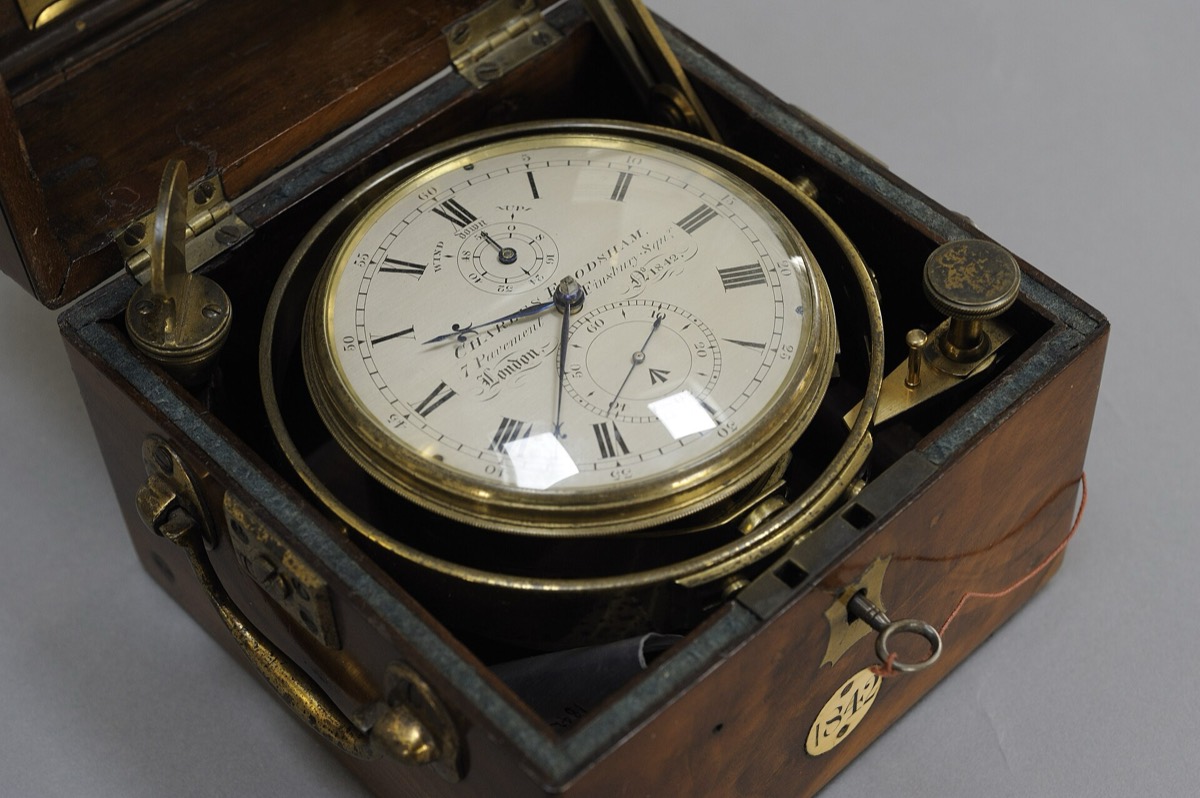
Latitude can be worked out fairly easily from the height of the sun. required knowing exactly what the hour was back in the home port at that very moment, and pendulum clocks did not survive the motion of a ship or the damp. How was it solved?
By carrying the home port’s time with you. The carpenter and clockmaker built a in a series of versions, and his H4, completed in 1759, was small, accurate and tough enough to keep time across a whole ocean voyage. Comparing the hour on the clock with the local hour gave the exact longitude.
The problem sounds modern until you see what is missing. A sailor can fix their latitude fairly easily, from the height of the sun at noon or from the pole star, because the sky itself looks different as you move north or south.
East and west have no such sign. What they have is a difference in time. If you know what the hour is now in the home port, and can measure the local hour from the sun, the difference gives you the longitude. Every hour is worth fifteen degrees.
So the whole problem shrank to one question: how do you take the time of home with you. Pendulum clocks, accurate on land, were worthless at sea, because they rely on gravity in a fixed direction and a ship rolls. Damp, salt and changes in temperature ruined the rest.
John Harrison built a series of clocks across decades, and his H4, completed in 1759, was small, accurate and tough enough to survive a whole ocean voyage. It was tested on real trial voyages, with its drift measured at the end against a known position. Two details are worth remembering: the engineering solution succeeded before all the principles behind it were understood, and official recognition and full payment came only after years of struggle.
wat. One clock that survived a rough sea gave sea navigation a longitude more accurate than star tables could supply.
wat wat
The solution turned from a danger to life into a reliable process, and it was a precondition for safe trade and exploration on a global scale.
How do we know?
H4 was tested on real trial voyages across the Atlantic, with its drift measured at the end of the voyage against known positions.
What is still unknown
The engineering solution succeeded before all the theoretical principles behind it were fully understood, and even then it took years before the mechanism was officially approved and fully rewarded.
Learn something?
Where to next
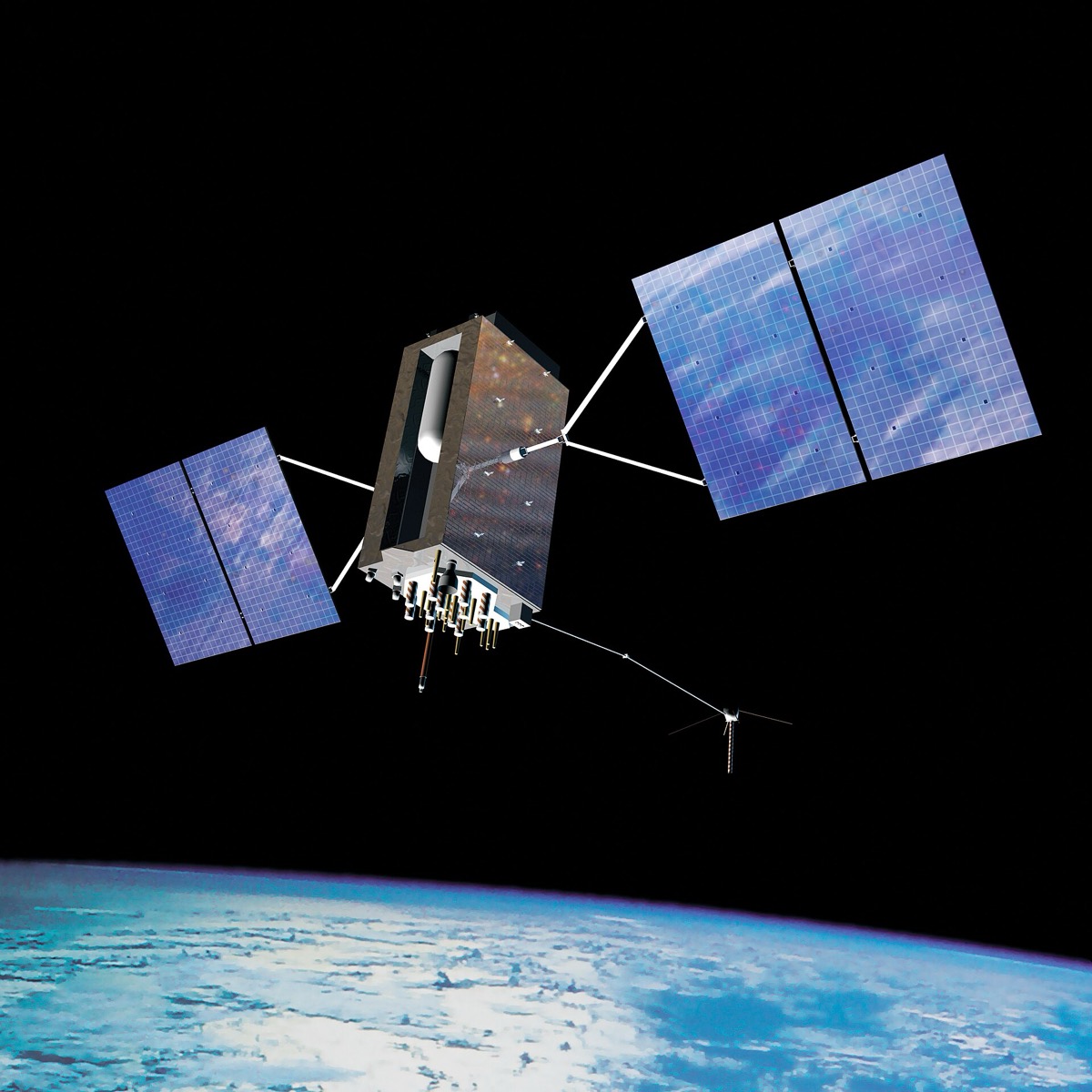 What would happen to the navigation on your phone without relativity?navigation
 What is a sea turtle actually sensing when it finds its way home?navigation
 Can a transparent crystal find a sun that is hiding behind clouds?navigation