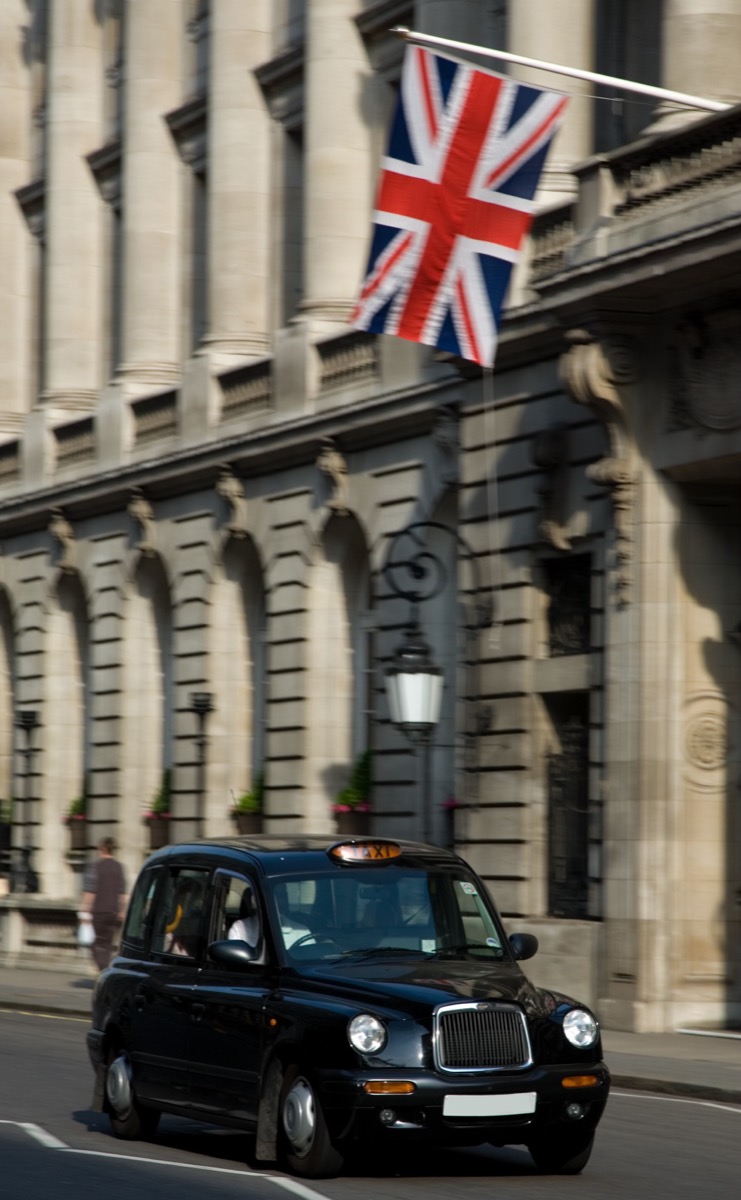
To get a taxi licence in London a driver spends three or four years memorizing a network of twenty-five thousand streets and thousands of landmarks. The test is called , and only about half the candidates pass. What does all that do to a brain?
Scans showed that experienced drivers have more gray matter in the back of the , the region tied to spatial navigation, than people of similar age and education who never did the training. And the longer a driver had been at it, the larger the difference. The correlation with experience is not decisive on its own, so a later study scanned candidates before and after, and only those who passed showed an increase.
What makes this group a natural laboratory is the sheer intensity of the practice. A London taxi licence requires passing a test called the Knowledge: three to four years memorizing some twenty-five thousand streets and thousands of landmarks, with oral examinations only about half the candidates pass.
The scans showed that experienced drivers have more gray matter in the back of the hippocampus, the region tied to spatial navigation, than people of similar age and education. And the longer the driver had been working, the larger the difference.
The correlation with experience matters, and it does not settle the question on its own, since you could argue that whoever is born with a spatial advantage picks this work and stays in it. The answer to that came later, in a study over time: candidates were scanned before the training and after, and only those who passed it showed an increase.
This is among the strongest evidence for in the adult brain, meaning a change in physical structure and not only in activity. And there is another side worth knowing: those same drivers showed a decline in other memory abilities, which hints at a reallocation of resources rather than a free addition.
wat. The longer a taxi driver has been working, the larger the back of their hippocampus.
wat wat
It is strong evidence for plasticity: an adult brain can change its physical structure in response to long, intense practice, and not only its activity.
How do we know?
The study compared MRI scans of licensed taxi drivers against a control group matched for age and intelligence, and found the volume of the posterior hippocampus tracked years of driving.
What is still unknown
Reverse causation is possible too: people with a larger hippocampus to begin with may be drawn to work that demands navigation. There is also evidence that other memory abilities weaken in these same drivers.
Learn something?
Where to next
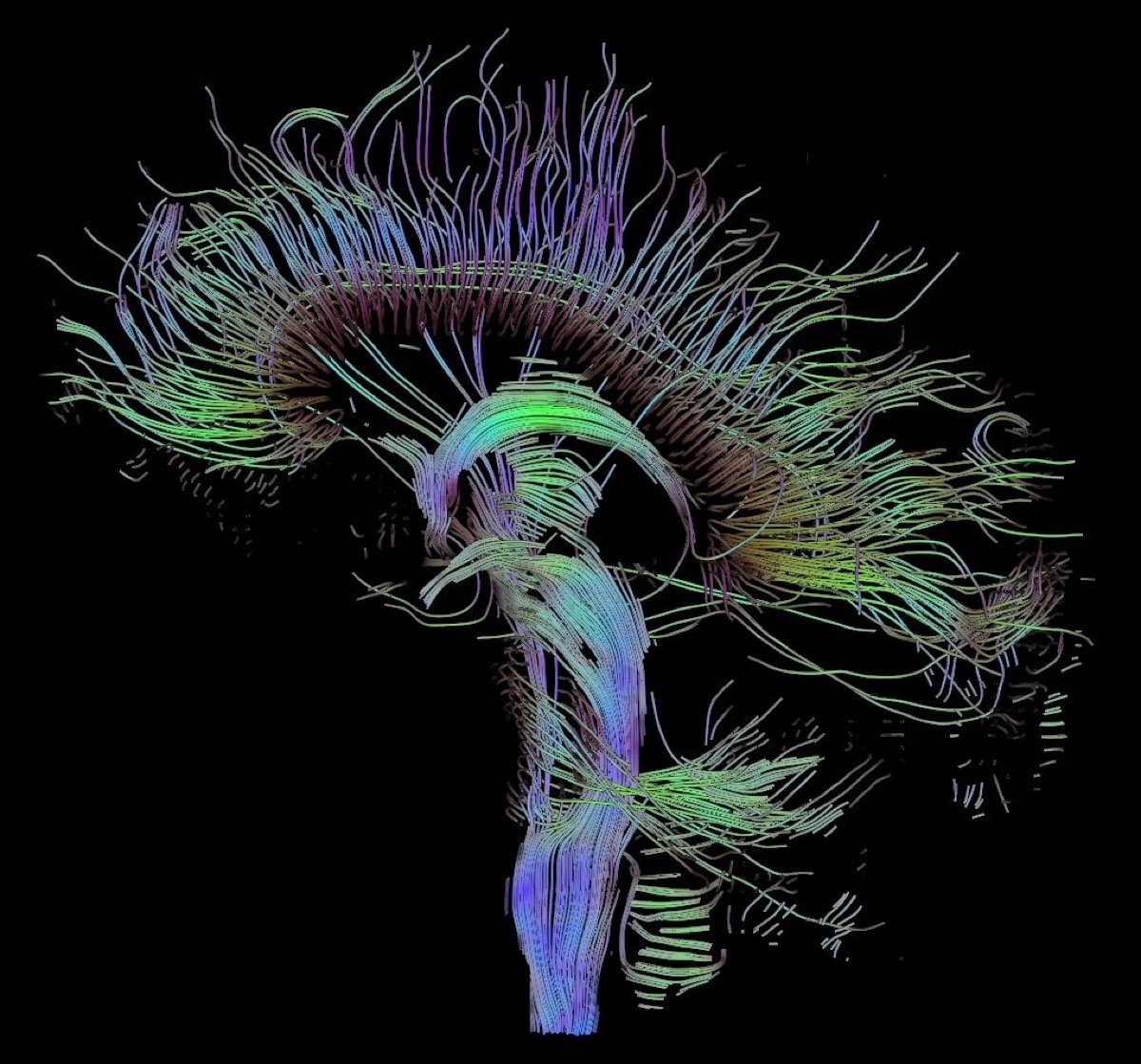 What does the brain do at night that it cannot get done by day?memory
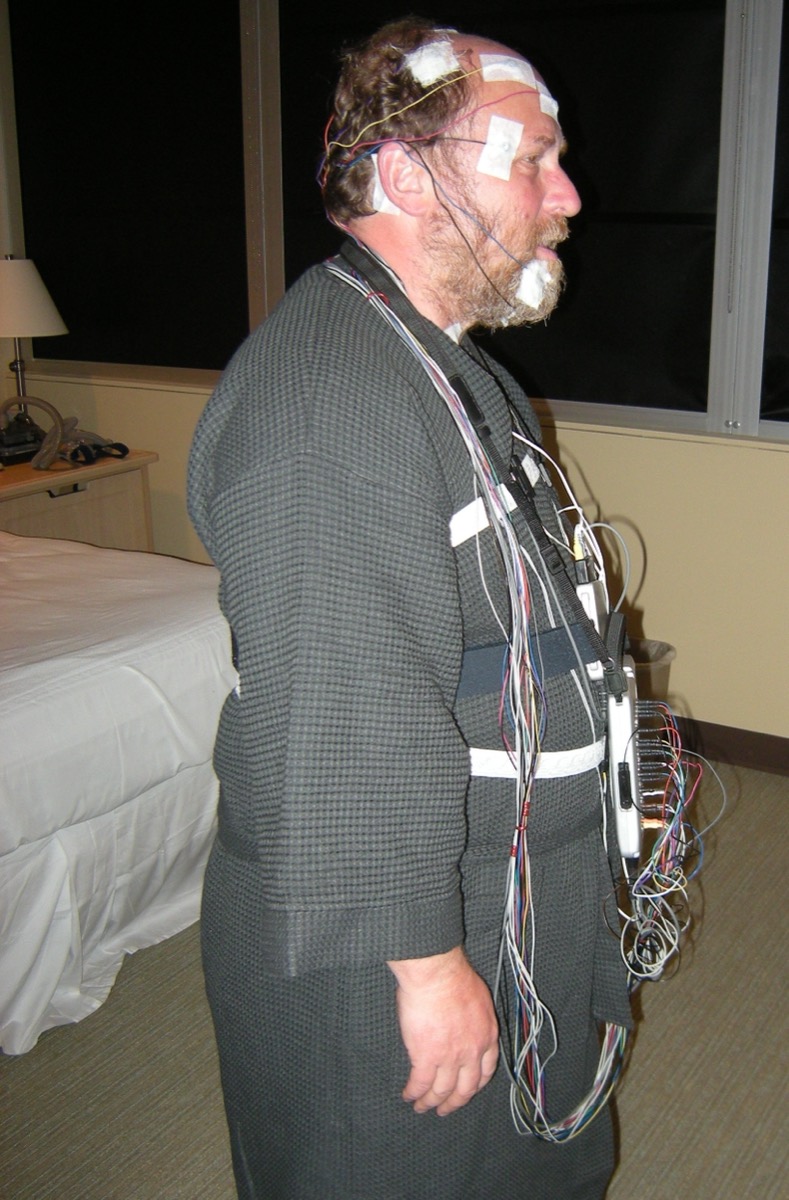 Who decides which of today’s memories you still have tomorrow?memory
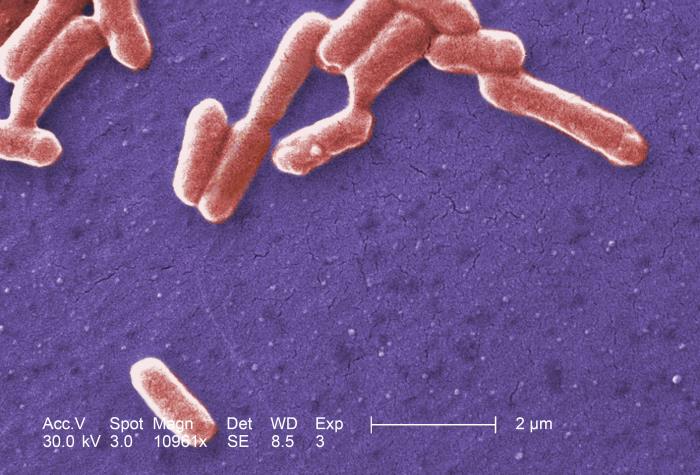 What happened to the memory of mice when their gut bacteria were swapped?memory