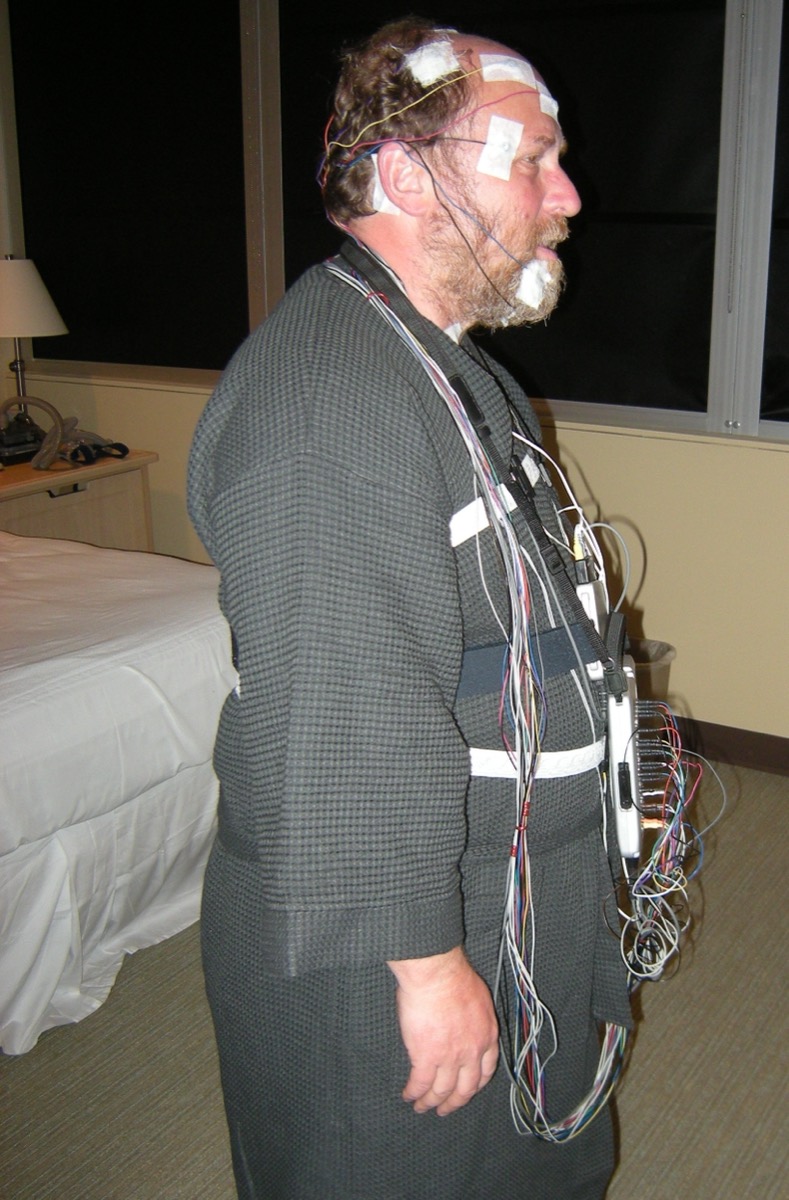
Through the day the takes in new experience fast, and it is not built to hold any of it for long. Something has to move what is worth keeping somewhere else. When does that happen?
During sleep the same sequences of cells that fired while you were awake fire again, faster. That is tied to moving the information out to the , where it is held for the long run. A good night after learning does more than another hour of review.
The problem the brain solves at night is architectural. A system that learns fast overwrites what it already holds, and a system that learns slowly cannot catch a one-off event. The answer is two systems: the hippocampus catches quickly, the cortex absorbs slowly.
For that to work the information has to move from the first to the second, and that is what shows up in sleep. The same sequences of cells recorded while awake fire again, faster. In rats that had run a maze you can watch the route repeat in their sleep.
That replay is not faithful, which is the advantage. What recurs strengthens, what does not fades, and the sequences settle into what is already known. It is why an answer sometimes arrives in the morning: not because you rested, but because the material was reorganized.
The practical consequence is plain. A good night after learning contributes more than another hour of review, and beats compression. The caveat: most single-cell recording was done in animals, in people the measurement is more indirect, and different kinds of memory are not affected equally.
wat. At night the brain replays the same sequences of cells it recorded while learning, and it runs them faster than they happened.
wat wat
It changes how studying is worth doing. Spreading learning over days with sleep in between beats compressing it into one night.
How do we know?
Recordings from single neurons in animals during a task and again during sleep, where the sequence repeats. In people, behavioral studies compared a group that slept between learning and test against one that stayed awake.
What is still unknown
Most single-cell recording was done in animals. In people the measurement is far more indirect, and not every kind of memory is affected the same way.
Learn something?
Where to next
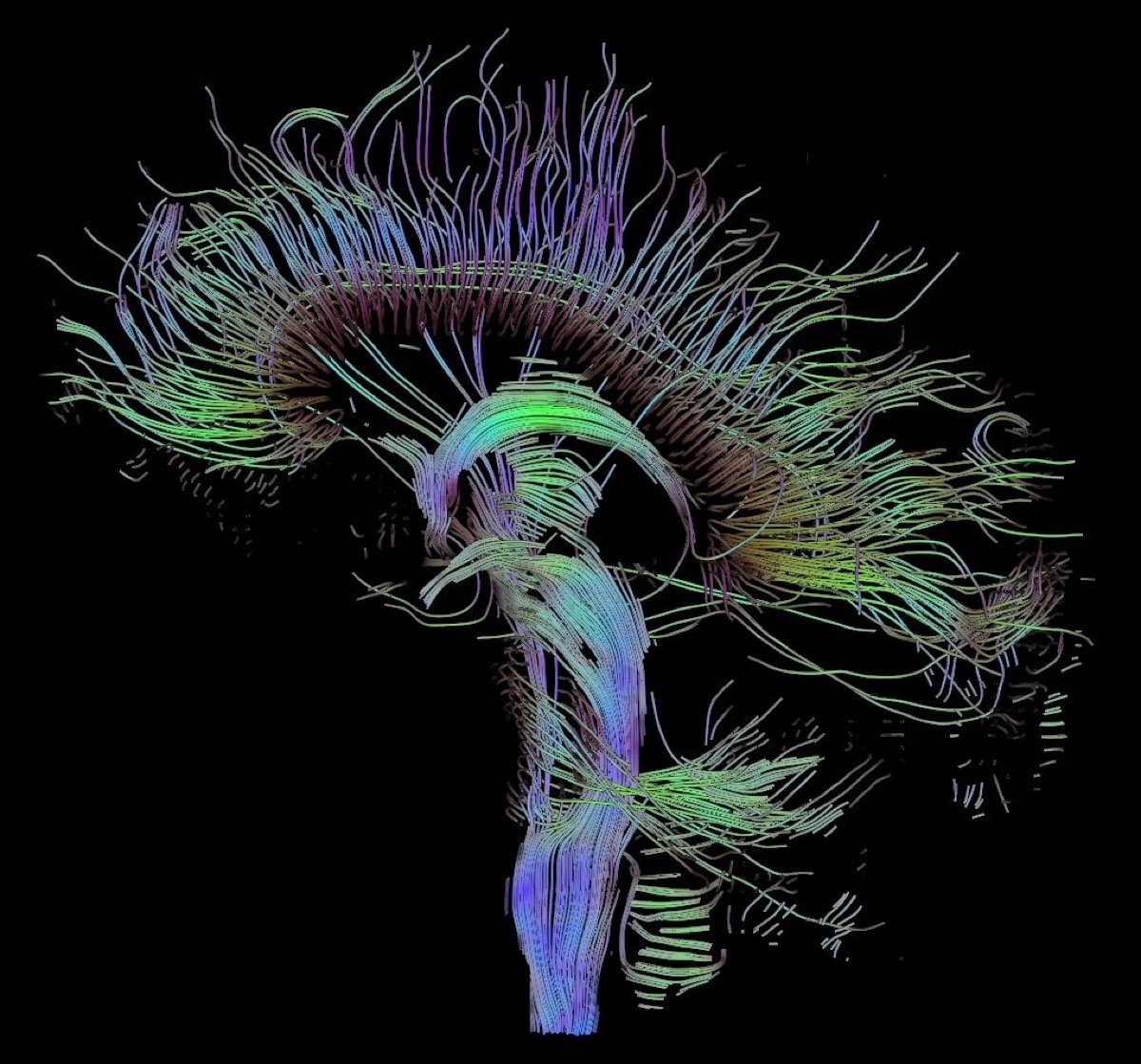 What does the brain do at night that it cannot get done by day?sleep
 What is the immune system doing while you are asleep?sleep
 Which study habit actually keeps things in memory?memory