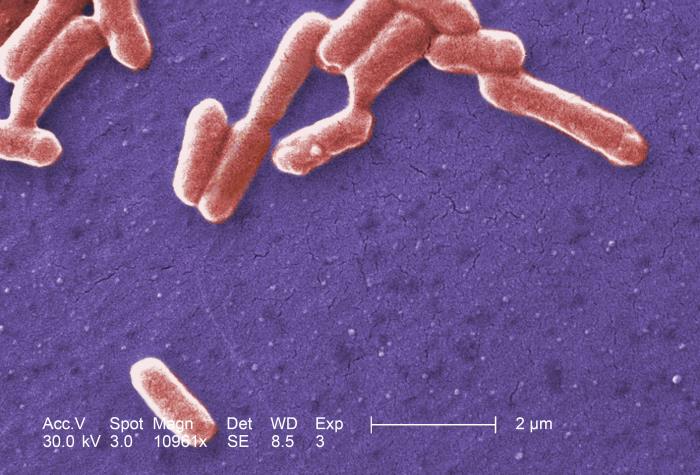
Is the aging of the gut tied to what happens in the brain? To test a direction of cause rather than a correlation, researchers transferred gut bacteria from old mice into young ones, and then put the young mice through . How did they do?
Worse, on some of the tests. A is what makes this an experiment rather than an observation: age is separated from the microbiome, since the animal is young and the population in its gut is old. Because the intervention came before the measurement, the direction inside the experiment is clear. It points to , and says nothing about a probiotic product improving memory in people.
An old mouse differs from a young one in almost everything, so comparing them teaches nothing about what caused what. The question here is narrower: whether the gut bacteria in particular carry part of the effect.
To test that, gut bacteria were transferred from old mice into young ones. That separates age from the microbiome: the animal is young, and the population in its gut is old.
The mice that received the old microbiome performed worse on some of the memory tests, and alongside that the bacterial composition and biological markers in the brain were examined. Because the intervention preceded the measurement, the direction inside the experiment is clear.
What is not known is the mechanism, and above all the distance . A human microbiome is far more varied and is shaped by diet and medication, so the finding justifies research rather than a change of habits or the purchase of a probiotic product.
wat. Moving the microbiome of old mice into young ones hurt performance on some of the memory tests.
wat wat
It argues for examining the gut as part of how aging works, rather than treating memory as a system isolated from the rest of the body.
How do we know?
The study compared young mice with a young microbiome against mice given a transplant from old mice, and checked memory tests, bacterial composition and biological markers in the brain.
What is still unknown
The finding is limited to mice and to behavioral tests. Whether the same mechanism exists in people, or could be changed safely, is not known.
Learn something?
Where to next
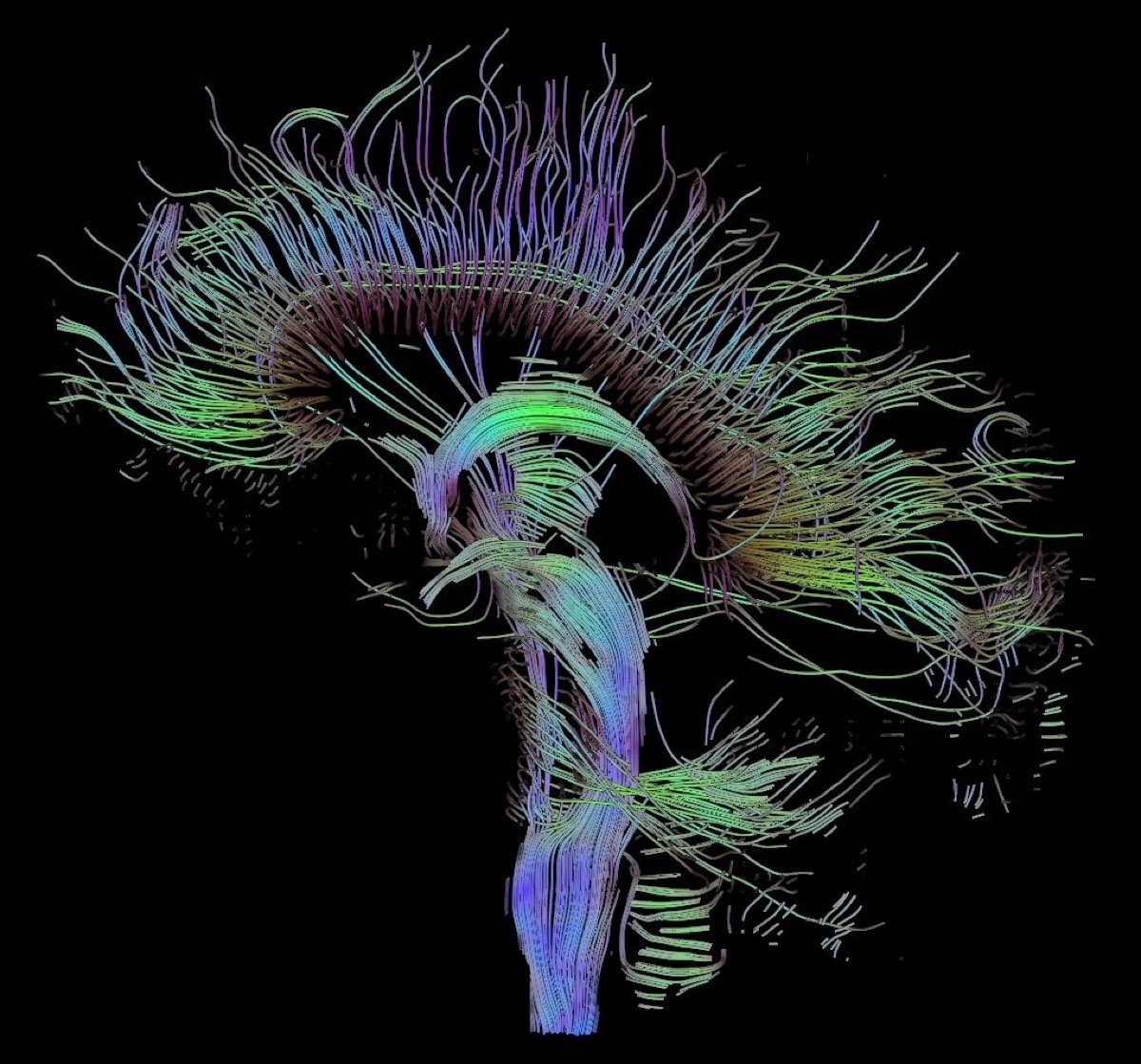 What does the brain do at night that it cannot get done by day?memory
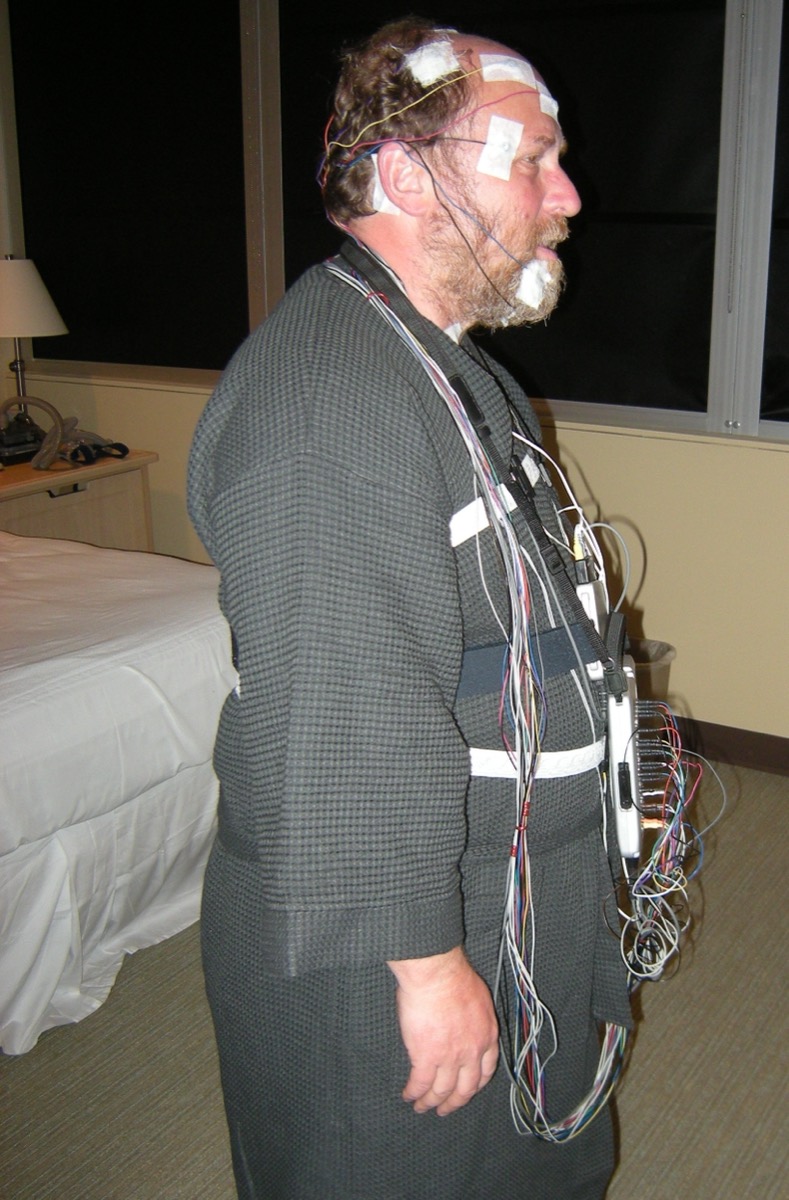 Who decides which of today’s memories you still have tomorrow?memory
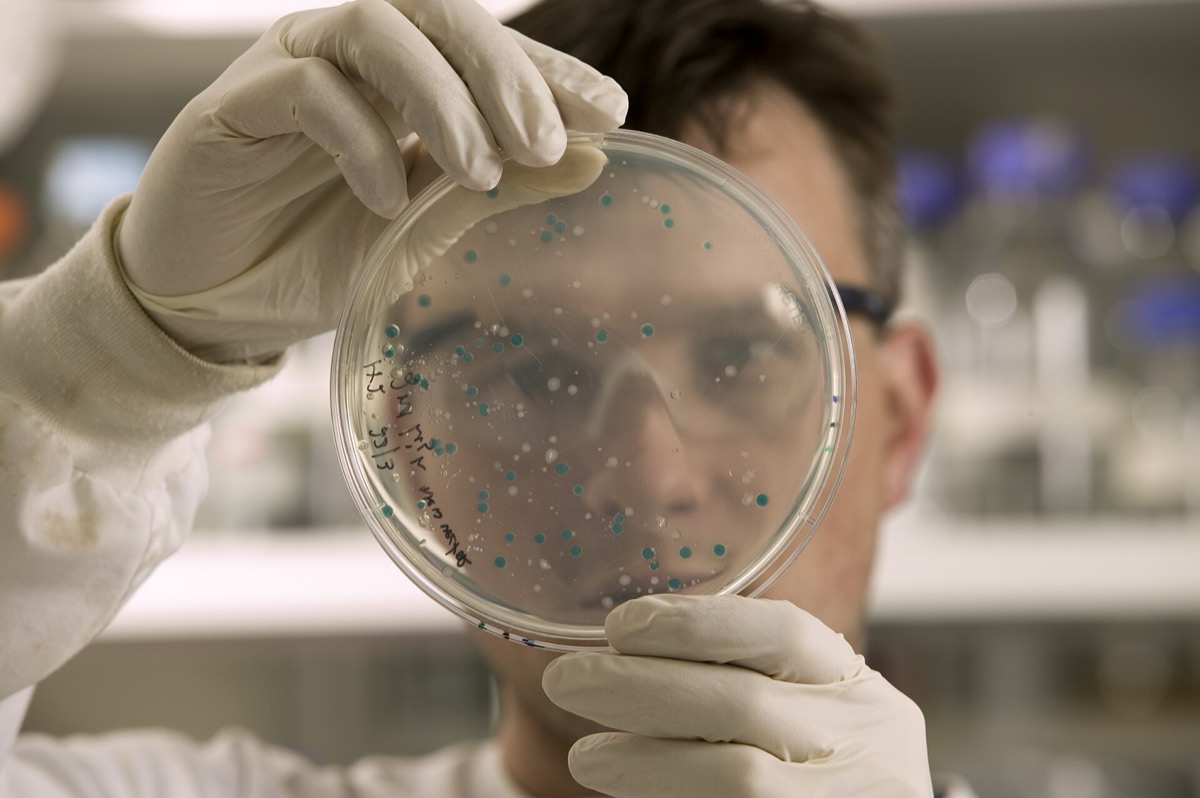 How do bacteria in a mouse’s gut change the way it behaves?microbiome