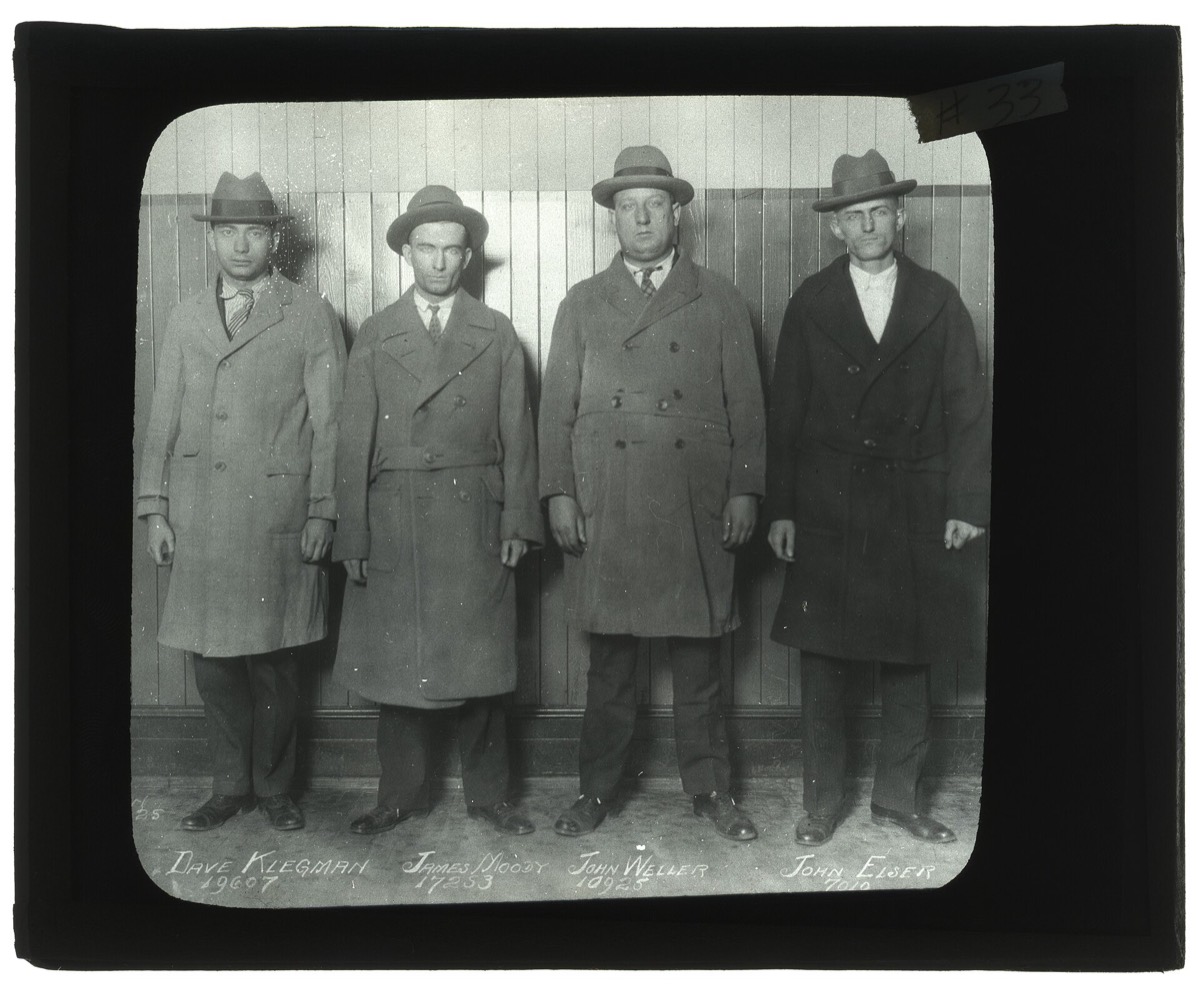
Courts increasingly accept that the confidence of an eyewitness says little about whether the identification is right. That pessimism was entirely reasonable given the lineup procedures police used to run. After thirty years of research on how to run one properly, a review asked a narrower question: when exactly was the confidence measured?
At the first, clean lineup it says a great deal. Under , meaning an initial uncontaminated test with a , no influence from the administrator and an immediate confidence statement, confidence and accuracy are strongly related. are remarkably accurate. After feedback, repetition or an unfair lineup, a confident witness can still be wrong.
The legal system has moved toward treating eyewitness confidence as nearly worthless, and that movement was well founded. The research behind it dates from an era when police ran lineups in ways anybody would now call broken.
Thirty years of work on how to conduct a lineup changed what is possible to ask. The question is no longer whether confidence predicts accuracy in general, but whether it does when the memory has not been before anybody tests it.
Under those conditions the answer is clear. Across mock-crime studies and police department field studies, confidence and accuracy are strongly related for adults, and a high-confidence identification at the first fair lineup is remarkably accurate.
The practical consequence cuts both ways, which is what makes it useful rather than partisan. Understanding the information in initial confidence helps a justice system exonerate the innocent, by taking low-confidence first identifications as error prone, and convict the guilty, by taking high-confidence first ones seriously. Where jurisdictions have not reformed their procedures, none of this transfers.
wat. The confidence of a witness is informative mainly when it is recorded at the first fair lineup, before feedback can reshape the memory.
wat wat
It serves both jobs a justice system has at once: taking low-confidence first identifications far less seriously, and taking high-confidence first identifications more seriously than courts currently do.
How do we know?
Wixted and Wells synthesized mock-crime experiments and field studies from police departments, separating identifications made under pristine conditions from procedures that leave the memory contaminated first.
What is still unknown
The conclusion covers adults and initial identifications under careful conditions. Many jurisdictions have not adopted those reforms, and in those places it does not apply at all.
Learn something?
Where to next
 How does one word in a question plant a memory of something that never happened?memory
 Would you notice if the person you were talking to was swapped for someone else?eyewitness
 Why do we remember a long experience by only two moments of it?memory