
Everyone is certain they would notice. To test it, researchers stopped passers-by on a campus to ask directions, and mid-conversation two workmen carried a door between the two of them and swapped the questioner for an entirely different person. How many noticed?
Many of them carried on giving directions without registering that they were now talking to somebody else, in different clothes and with a different voice. The door is the crucial part: it erases the moment of the switch, and what is left is comparing what you see now against what you kept from before. Which is exactly the comparison we do not make. The effect is called .
The setup is almost comic, and it is a rather than a laboratory one. Somebody stops a passer-by on a campus and asks for directions. Mid-conversation two workmen carrying a door pass between them, and in the second the door crosses the line of sight, the questioner is swapped for a completely different person.
The swap is not subtle: clearly different clothes, and a different voice. And still a large share of those asked carried on explaining the way as normal, without noticing they were talking to someone else. Asked about it outright afterwards, many were astonished.
The key is the interruption. Without the door, the movement itself would have drawn the eye and given the change away immediately. The door erases the moment of transition, and what is left is comparing what you see now against what you kept from before, and that comparison is precisely what we do not do.
The picture that comes out is that the feeling of full, detailed vision is largely an illusion. processes whatever serves the task, here giving directions, and not the identity of a face. The implication reaches eyewitness testimony, where runs well ahead of accuracy: people are sure they would have noticed, and they do not. To qualify it, the result depends on attention being elsewhere; where the face is the task, people do notice.
wat. People giving directions carried on talking after the person in front of them had been completely swapped.
wat wat
It bears on eyewitness testimony: people certain they remember exactly who they spoke to can still miss a dramatic change that happened right in front of them.
How do we know?
This was a field experiment rather than a laboratory one, on random passers-by, and afterwards the participants were asked outright whether they had noticed anything change.
What is still unknown
The result depends on attention being on the task, giving directions, rather than on the face itself. In other situations people do notice changes.
Learn something?
Where to next
 Why is it so hard to say what color a word is printed in?attention
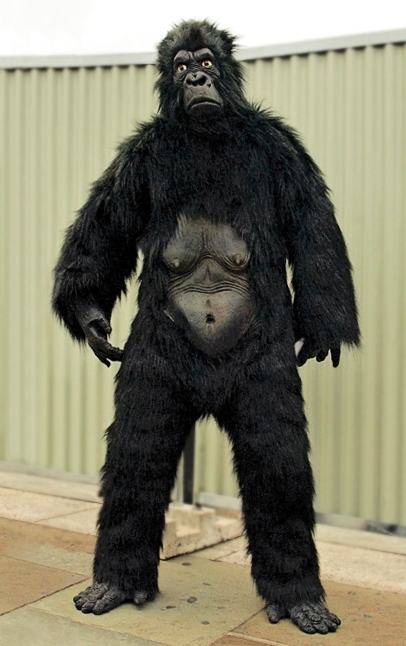 How can anyone miss a gorilla walking through the middle of the screen?attention
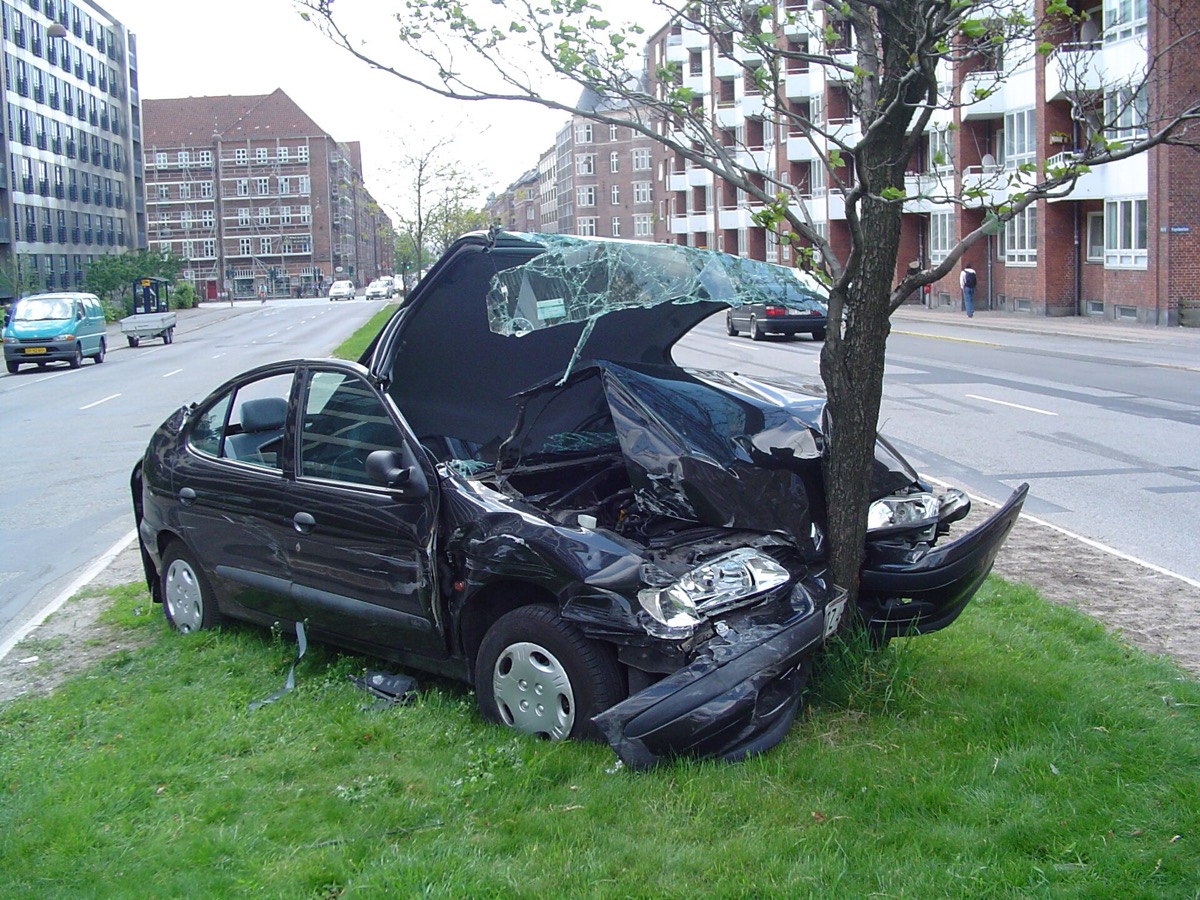 How does one word in a question plant a memory of something that never happened?eyewitness