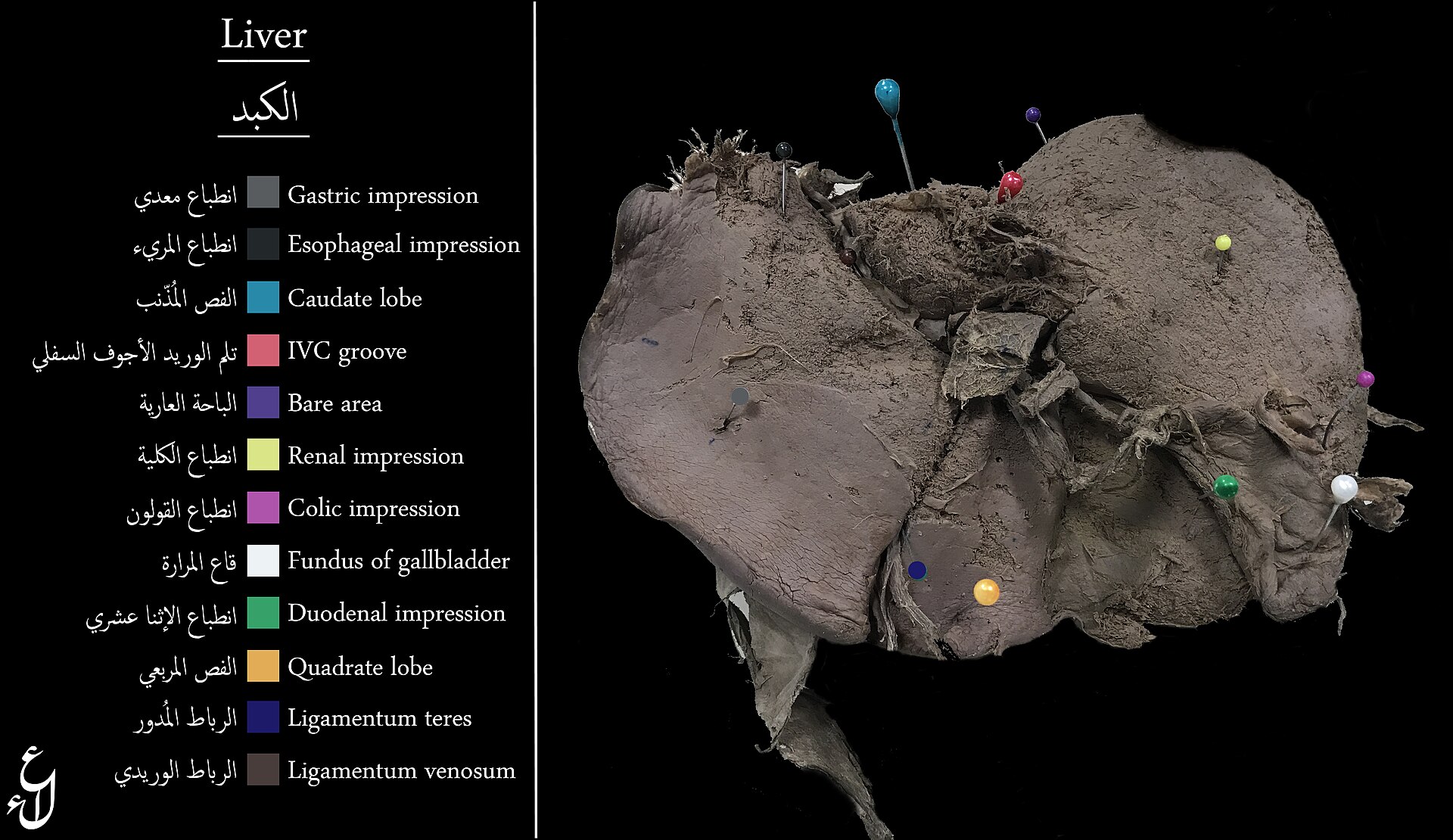
Lungs, kidneys and the pancreas all adjust after tissue is lost, and none of them returns to what it was. One solid organ does. Cut part of it away and regenerative mechanisms bring it back to the ratio the body requires, every time, which raises the question of what is keeping score. Michalopoulos and Bhushan review what is known about it.
The liver, and the target it hits is a ratio rather than a shape. It is the only solid organ that uses regenerative mechanisms to keep the liver-to-bodyweight ratio always at a hundred percent of what homeostasis requires, which the review calls the . and chemical injury models have mapped the extracellular and intracellular signalling that returns it to its former size and weight.
The comparison is what makes the liver strange. Other solid organs, the lungs, kidneys and pancreas among them, adjust to tissue loss but do not return to a hundred percent of normal. The liver uses regenerative mechanisms to ensure the liver-to-bodyweight ratio is always at a hundred percent of what body homeostasis requires, and the review calls that regulation the hepatostat.
Two kinds of loss give opposite results. Regeneration from acute injury is always beneficial and has been studied extensively. Experimental models that remove part of the organ or poison it are how the signalling pathways inside and outside the cell were identified. Chronic loss of hepatocytes, as happens in chronic liver disease of any cause, often has adverse consequences instead: fibrosis, cirrhosis and liver neoplasia.
The cells involved normally stay in their lanes. Hepatocytes and regenerate with phenotypic fidelity, each replacing its own kind. But when regeneration of one of the two fails, they function as facultative stem cells and transdifferentiate into each other, which restores normal liver structure by a route the organ does not ordinarily use.
The upper limit is unclear in an interesting way. Liver recolonization models indicate that hepatocytes have an unlimited regenerative capacity, while in a normal liver is very slow. All zones of the resting liver lobules have been equally implicated in maintaining both cell populations, so the capacity appears to be distributed rather than held in one reserve compartment.
wat. It does not grow back a liver shape. It grows back a liver mass, measured against the body it belongs to.
wat wat
Acute regeneration is always beneficial. The same machinery under chronic cell loss ends in fibrosis, cirrhosis and liver cancer, so the mechanism is both the repair and the disease.
How do we know?
A review in Nature Reviews Gastroenterology and Hepatology, drawing together the experimental work on partial hepatectomy, chemical injury and liver recolonization models and the signalling pathways each has revealed.
What is still unknown
A review built largely on experimental injury models in animals. The claim that hepatocytes have unlimited regenerative capacity comes from recolonization experiments rather than from human surgery.
Learn something?
Where to next
 Which cell in your body gives up its own nucleus?cells
 Does knee surgery for arthritis beat a fake operation?surgery
 If bone is replaced continuously, why does the skeleton keep its shape?cells