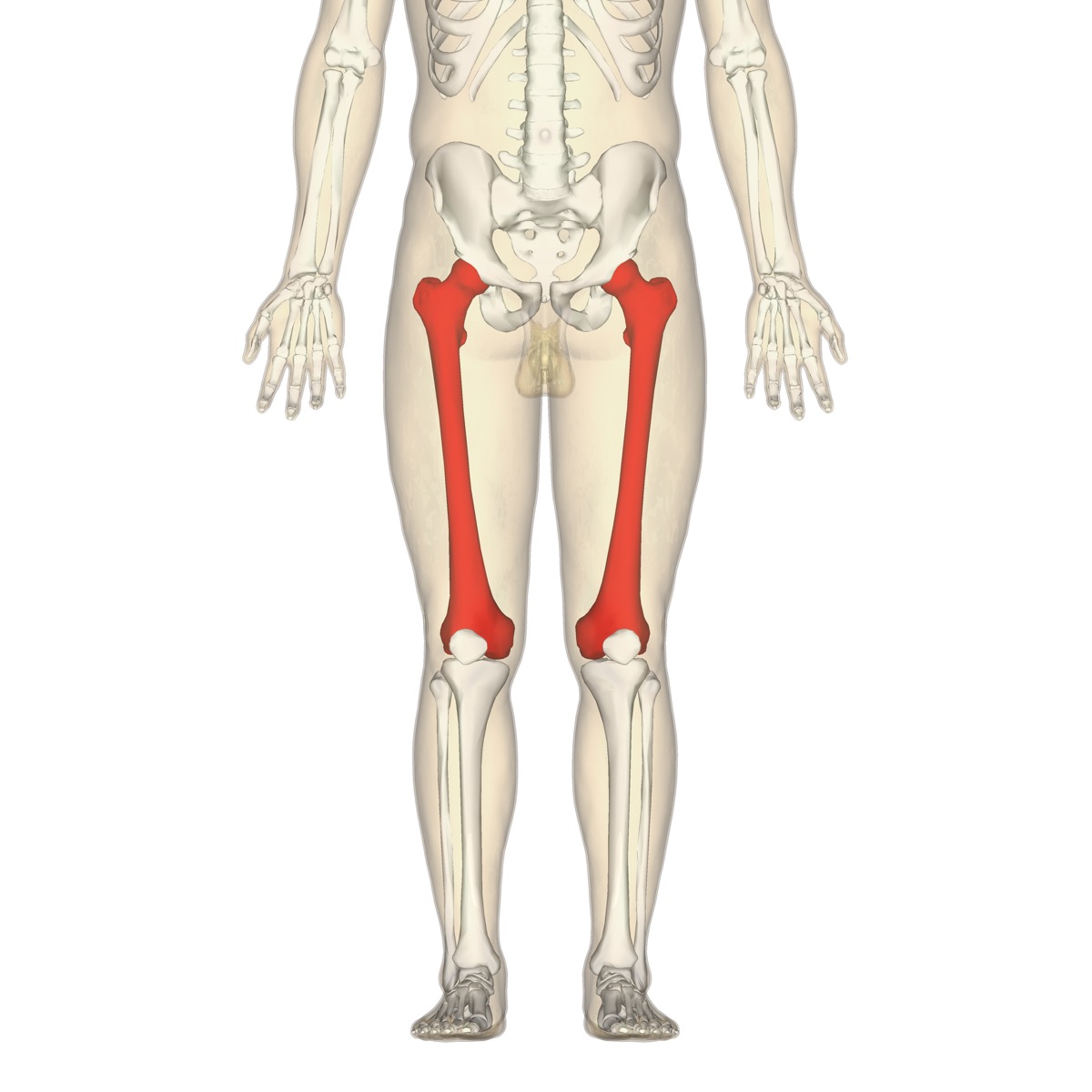
Bone gets replaced throughout life. Old and damaged bone is removed and new bone laid down, and yet nothing about a femur changes shape in the process. Bolamperti, Villa and Rubinacci review how that trick works, and the accepted answer has shifted: what was once a tidy two-stage production line now looks like something else. What changed?
The crew, and the choreography. Replacement happens on the same surface without any change in bone shape, run by a unit that was thought to be removing bone and then osteoblasts building it. Recent work indicates all bone cells take part in forming that unit, interacting simultaneously and at different stages of differentiation with their progenitors, with each other and with the bone matrix.
Bone remodeling replaces old and damaged bone with new bone through a sequence of cellular events on the same surface, with no change in bone shape. Researchers have been studying it for more than fifty years, and the authors are blunt that the spatial, biomolecular and mechanotransduction complexities continue to be debated.
The original picture was two stages and two kinds of machinery: osteoclasts resorb bone, osteoblasts then form it, and the result is net equilibrium in bone mass once a body is physiologically mature. Newly identified cellular events, coordination pathways and anatomical structures have replaced that with something less hierarchical. All bone cells participate in forming the , interacting at once and at different stages of differentiation with their progenitors, with other cells and with constituents of the bone matrix.
Scale matters here. , as Parfitt defined it, is proportional bone volume replacement per unit time, usually given in percent per year. It depends on how many units are working and on the focal balance within each. His illustration is worth holding: at ten percent a year, the mean lifetime of each moiety of bone is ten years. Individual components live much shorter lives than that, except the , which Frost estimated at around twenty-five years.
What starts a cycle is both local and systemic. Targeted remodeling is activated by local factors and stochastic remodeling by systemic ones, and the two cooperate to maintain mechanical competence while meeting metabolic demands at the same time. So the balance of bone mass after remodeling reflects the integrated effects of the mechanical and the metabolic environment. That is why the review treats remodeling as a continuous operational process optimized to confer a survival advantage.
wat. Bone is not replaced like a part. It is replaced like a sentence being retyped letter by letter without changing the words.
wat wat
The point of the review is clinical. Knowing which cells do what, and when, is where targets for osteoporosis treatment come from.
How do we know?
A review in Bone Research gathers the cellular events, coordination pathways and anatomical structures identified in recent years, and reassembles them into one account of how bone mass is renewed without being lost.
What is still unknown
A review of a field the authors say is still debated, more than fifty years in. The spatial, biomolecular and mechanotransduction complexities are open questions, not settled ones.
Learn something?
Where to next
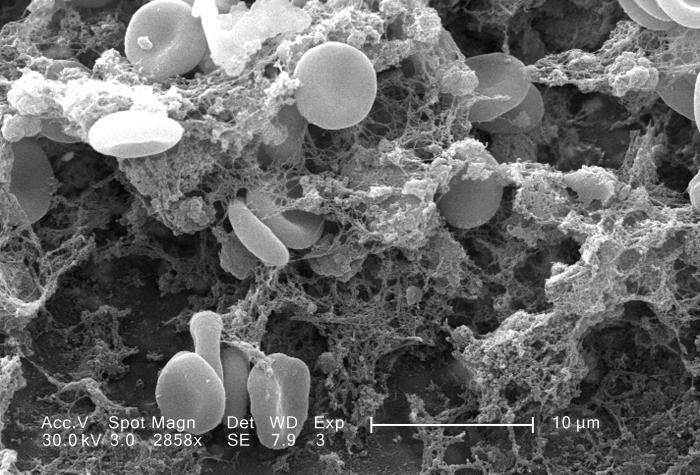 Which cell in your body gives up its own nucleus?cells
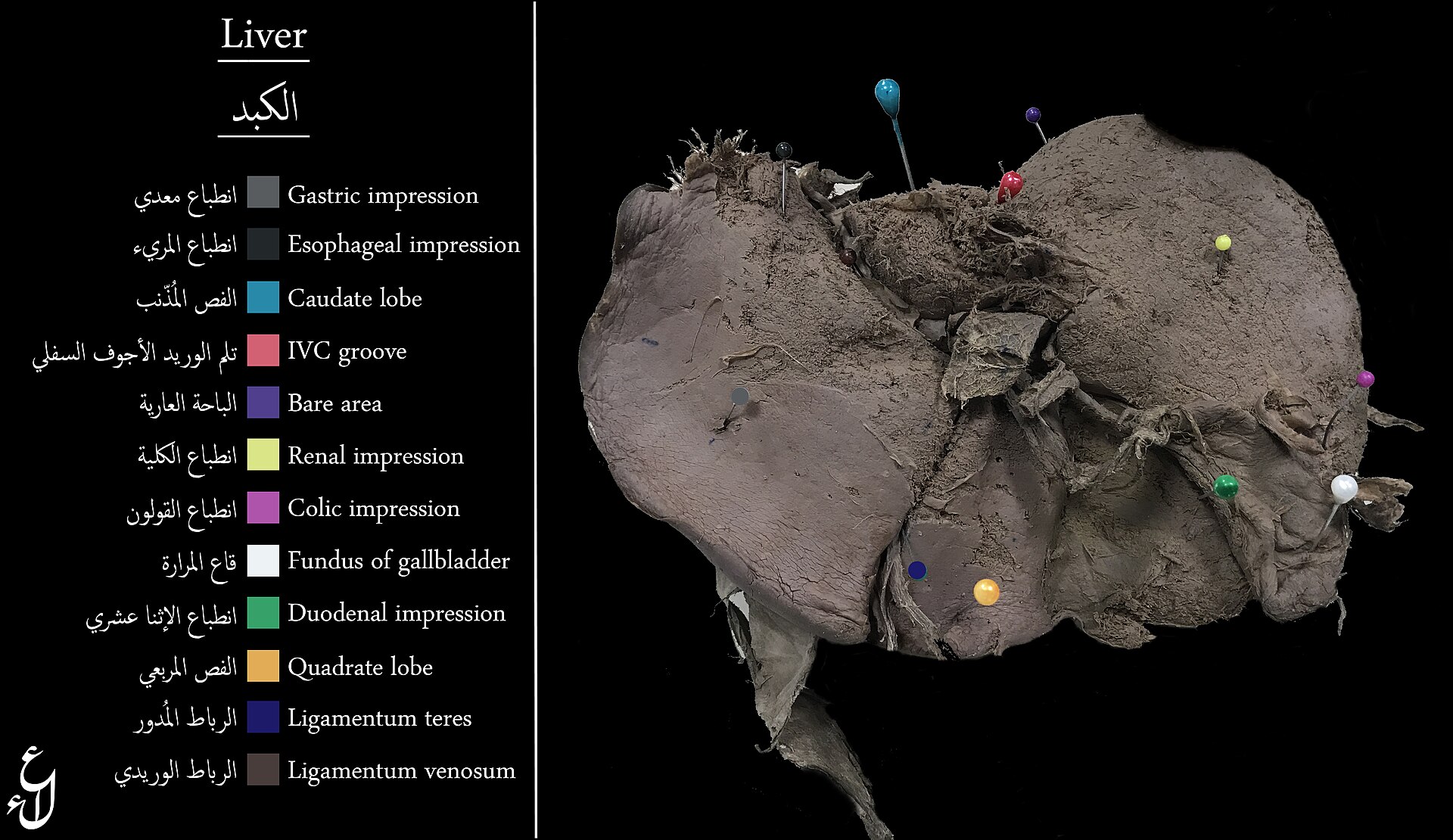 Which organ grows back to exactly the size the body needs?cells