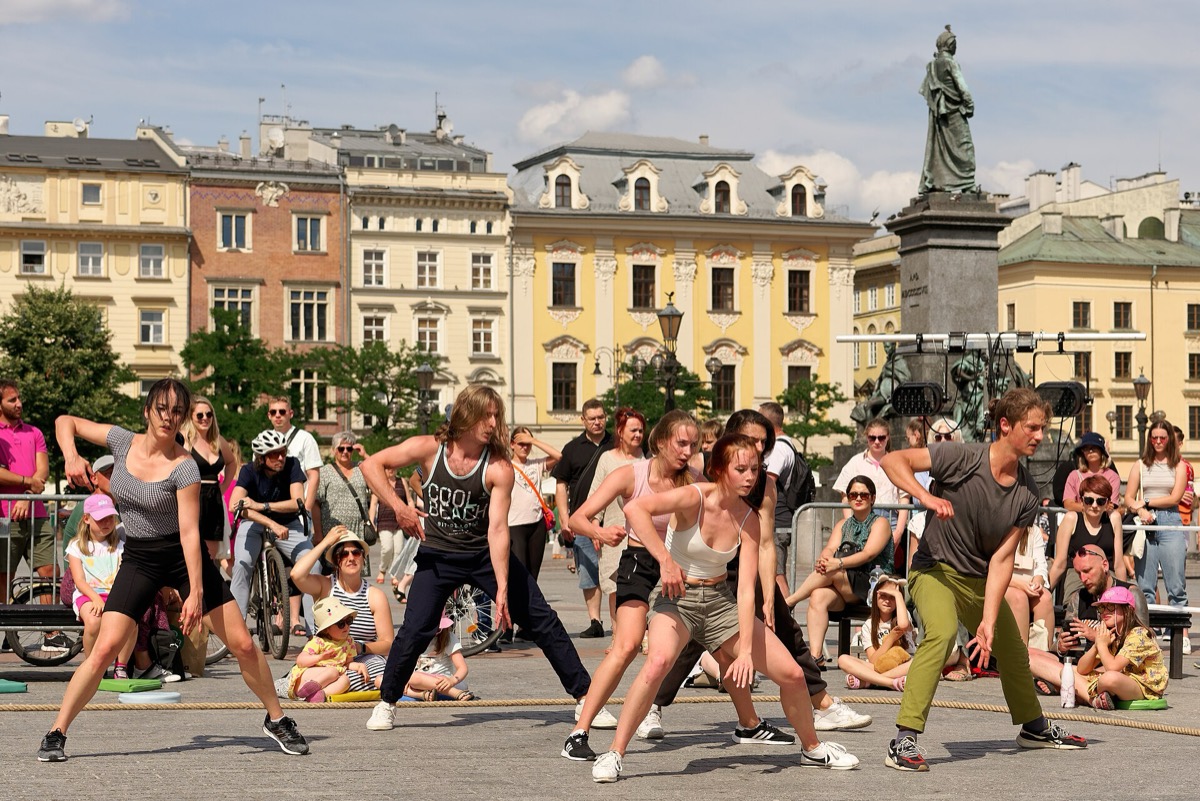
Watching a performance live and in a crowd feels unlike watching the same thing at home. It is hard to say whether it truly is different, or whether that is only a story we tell about it. At three dance performances, up to 23 audience members wore caps at the same time. What did the recordings show?
Their brain activity rose and fell together, most of all at one kind of moment. Synchrony in the slow , between one and four cycles per second, peaked when the dancers turned to the audience and broke the . It also tracked how engaging the choreography was from one minute to the next. Follow-up studies with video put live and shared viewing ahead of a recording.
Most brain research on art shows a person a video while they sit alone. A dance performance happens with dancers and with an audience, in one shared place and time, and the obvious worry is that the laboratory version removes the part that matters. These researchers tried to measure the difference without taking anyone out of the theater.
At three performances of one choreography, up to 23 audience members wore wet-electrode caps simultaneously. The analysis looked for moments when the slow waves of different people changed together. Those moments were then lined up against what was happening on stage, and against how engaging the piece was predicted and reported to be.
in the delta band was highest when the dancers interacted directly with the audience and broke the fourth wall, and it varied with the dancers movements. Follow-up studies using video of the same performance found both synchrony and engagement higher when the dance was experienced live and together. That fits the old idea that the social gathering is an active ingredient of the art.
The limits are plain. A handful of performances, a small audience, one style of dance, and a measure that reads timing rather than meaning. Synchrony cannot tell you what anyone felt or whether anybody enjoyed it, and the claim worth keeping is narrower and still interesting: whatever a live audience does together, it is visible in the recording.
wat. Across three dance performances, the audience brains lined up most closely at the moments when the dancers turned and addressed the room.
wat wat
A laboratory study of art, with one person and one screen, can miss the social encounter that is part of what a live performance is.
How do we know?
Mobile EEG ran on up to 23 audience members at once across three live performances of one choreography, and later studies repeated the measurement on video recordings of it.
What is still unknown
This is a small audience and one kind of contemporary dance. Synchrony between two people does not prove any feeling passed between them, and it does not establish that every live performance beats every recording for everyone.
Learn something?
Where to next
 Why is a ballet dancer not dizzy after twenty turns?brain
 What does the brain do differently when writing a poem and when editing one?brain
 Why does a chill arrive just before the peak of a song, and not at it?brain