
is a substance the brain releases around things it marks as rewarding, such as food or a win. Scans of people listening to music that moves them show the lighting up at two separate times rather than one, and a arrives at one of them. When exactly?
Before and at. The activity in the reward system rises at two separate times: once as the music approaches a moment the listener already knows and expects, and once when the moment itself arrives. The brain is in fact guessing all the time what the next note will be, and pleasure comes from the tension between the guess and the outcome.
The brain does not take in music as a sequence of sounds but guesses all the time what the next note will be. That guess is built from everything you heard before, so a song in a familiar style produces sharper expectations than a song in a foreign musical language.
In scans of listeners hearing music they chose themselves, activity in the reward system rose at two separate times: once in the seconds before the anticipated moment, and once at the moment itself. The first peak is the explanation for a chill preceding the climax rather than arriving with it.
The stronger conclusion came from studies that did not settle for watching. When dopamine activity was , the pleasure in the music fell; when it was strengthened, the pleasure rose. So the system does not merely light up at the same time but takes part in producing the experience.
Two caveats. First, the response differs greatly between people, and some listeners never experience a chill; that is not a sign of dullness but ordinary variation. Second, dopamine cannot be measured directly in a human brain without invasion, so the measurements are indirect and method-dependent. The explanation itself is also incomplete: it accounts for why expectation rewards, and not for why the meeting of the expected and its violation moves anyone to tears.
wat. Pleasure in music is built from the guess: the brain rewards us for having predicted the next note, before it even sounds.
wat wat
Music is not food and not shelter, and it still drives the same system. That hints the brain rewards successful prediction itself, even where there is no practical use in it.
How do we know?
The evidence comes from brain scans of listeners hearing music they chose themselves, and from measures of bodily response such as heart rate and sweating. Further studies temporarily blocked the activity of the reward system to see whether the pleasure fell.
What is still unknown
The response varies enormously between people, and some listeners never experience a chill at all. Dopamine measurements in the human brain are indirect and depend on the method.
Learn something?
Where to next
 Why is a ballet dancer not dizzy after twenty turns?brain
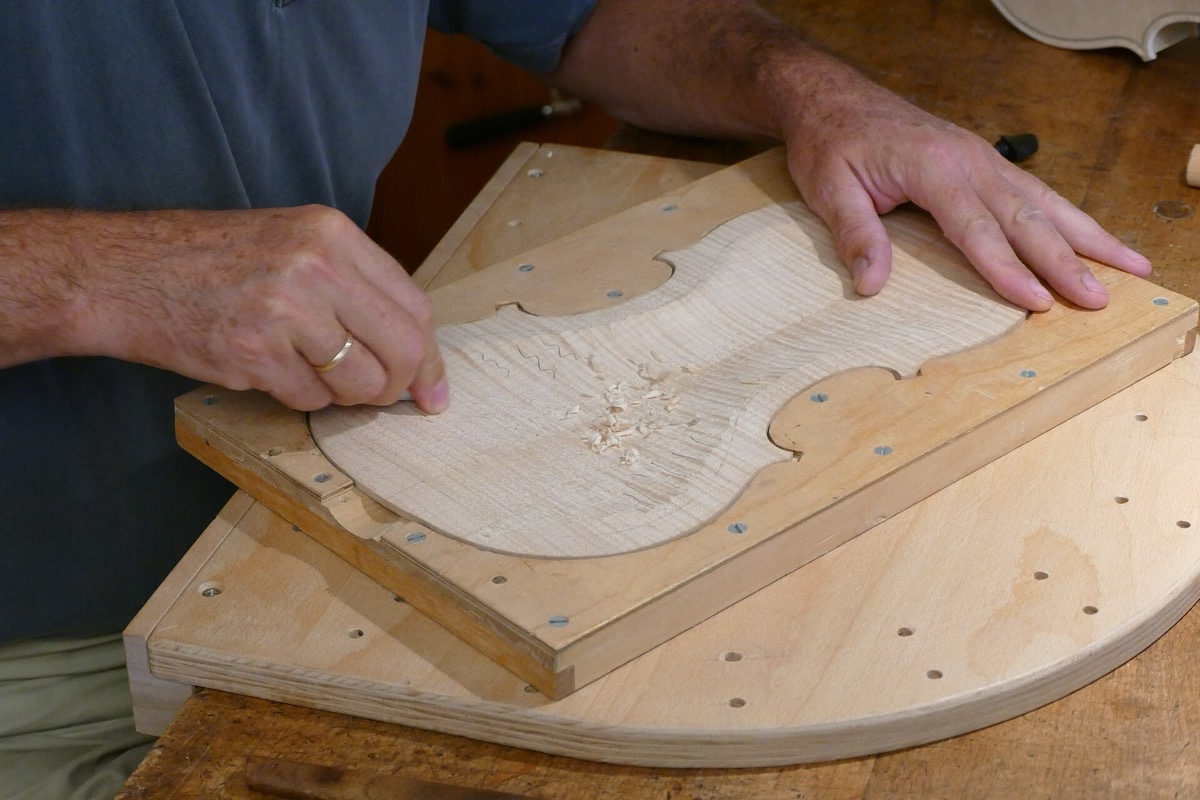 Can an audience in a hall really hear a Stradivarius?music
 Does a Mozart sonata really reduce epileptic seizures?music