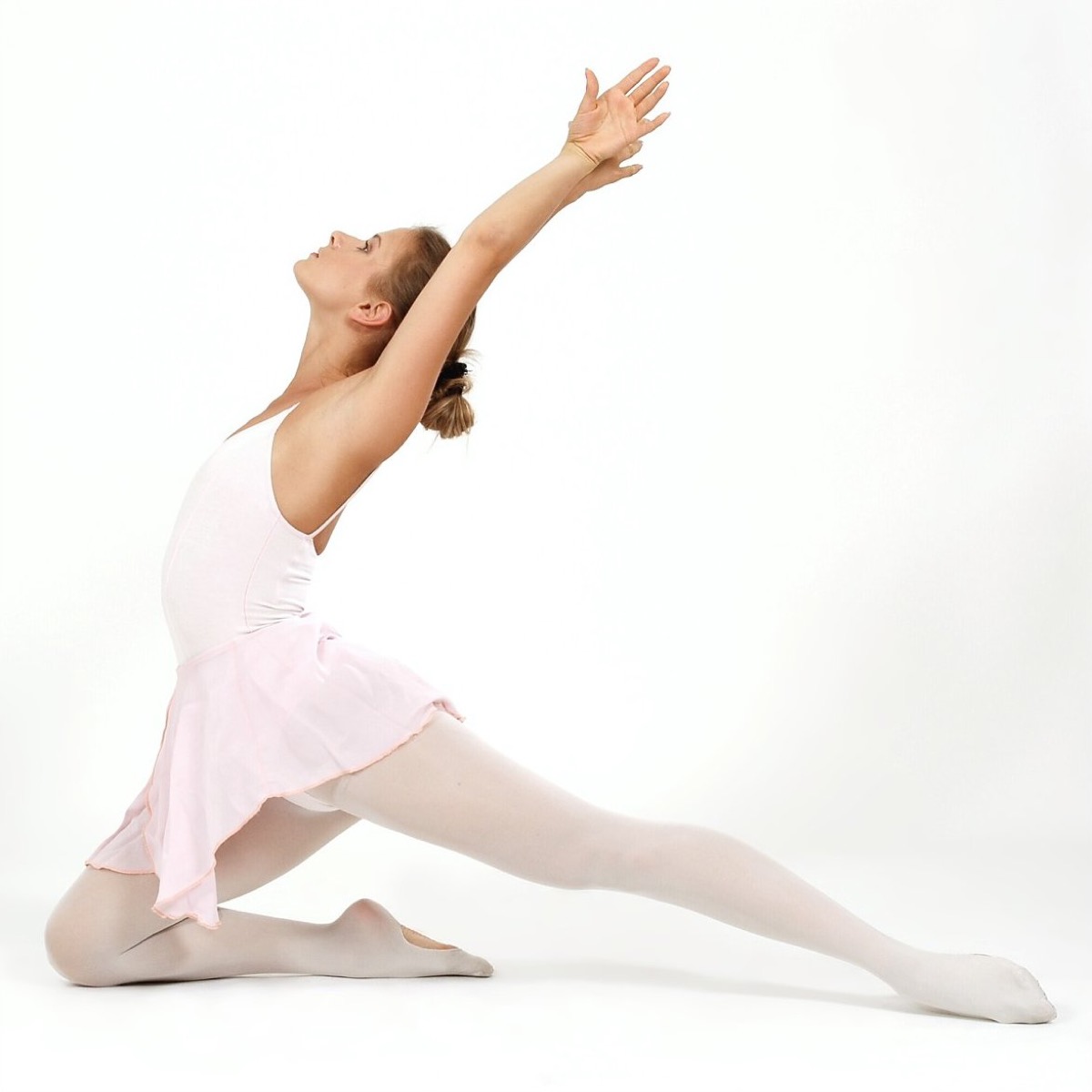
Deep in the inner ear sit fluid-filled canals that measure rotation. Stop turning and the fluid keeps moving, so the brain reads motion that is no longer happening, and that reading is dizziness. A dancer comes out of twenty turns steady. Why does the same signal not topple her?
Curiosity counts. Here is the answer.
The brain, not the ear. The balance organ in a dancer’s inner ear keeps sending exactly the same signal after a spin. What changed is how much weight the brain gives it. Scans show the cerebellum is built slightly differently in experienced dancers, in the region that handles this input. Spotting a point is a real technique dancers use, which is why it sounds right. It cannot explain this finding, because the dizziness was measured in a rotating chair, with no audience and nothing to fix the eyes on.
Dancers reported shorter dizziness than people who do not dance, and their , the involuntary eye reflex, settled faster too. Brain scans found a structural difference in the part of the that handles this input. The inner ear still reports the same thing; what changed is how much the brain credits it.
Dizziness is not a malfunction. It is the correct output of an accurate instrument. The fluid in the keeps moving after the head has stopped, and the brain reads the signal it receives exactly right: rotation. The trouble is that the signal itself has gone stale.
The study put ballet dancers and non-dancers in a rotating chair. After the stop it measured two things at once: how long the eyes kept drifting on their own, and how long the person said they felt dizzy. Both ran shorter in the dancers, and having both matters, because one is objective and the other is the experience.
Scans found a structural difference in the region of the cerebellum that processes this input. The reading offered is that the brain did not change what the ear sends, only the weight it gives it. After years in which that signal arrived again and again without the dancer falling, it stopped predicting danger and lost its priority.
The caveat is that is not an experiment, so the direction of cause is unproven: perhaps people with less sensitive balance organs are the ones who persist in ballet. Teachers train a different technique entirely, fixing the eyes on one point and whipping the head around. That is not what produced this result. The study measured the dizziness in a rotating chair, with nothing to fix the eyes on.
wat. Ballet dancers do not beat dizziness by willpower. Their brains have stopped taking the spin detector in the inner ear seriously.
wat wat
It is an unusually clear case of long training changing not a muscle but how far the brain is willing to believe one of its own senses.
How do we know?
Participants sat in a rotating chair, and after it stopped the study measured involuntary eye movement and the duration of reported dizziness at the same time. Their brains were scanned in parallel, and the difference between groups showed up in both the reports and the structure.
What is still unknown
This compares groups rather than assigning them, so it cannot show that dancing caused the difference. People whose balance organ is less sensitive to begin with may simply be likelier to stay in ballet.
Learn something?
Where to next
 What does the brain do differently when writing a poem and when editing one?brain
 Why does a chill arrive just before the peak of a song, and not at it?brain
 Is watching dance live, in a room full of people, different from watching a recording?brain