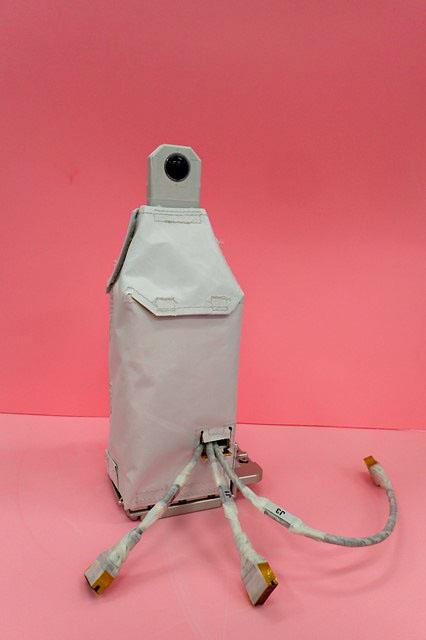
Because it was liable to explode. Whittingham built an innovative from titanium disulphide, whose structure has spaces that can house lithium ions, and paired it with an anode partly of . The result had real potential, just over two volts. It was also too reactive to sell. Goodenough and Yoshino between them made it safe.
The three shared the 2019 Nobel Prize in Chemistry for developing the lithium-ion battery. The work began during the of the nineteen seventies, when Whittingham was looking for energy technologies free of fossil fuels. The result is now in phones, laptops and electric cars, and it stores significant amounts of energy from solar and wind, which is what makes a fossil fuel-free society conceivable.
The lithium-ion battery is now in everything from mobile phones to laptops and electric vehicles, and it can store significant amounts of energy from solar and wind power. Its foundation was laid during the oil crisis of the nineteen seventies. Stanley Whittingham was working on methods that might lead to energy technologies free of fossil fuels, and he started by researching superconductors.
That search turned up an extremely energy-rich material, which he used to create an innovative cathode in a lithium battery. The material was titanium disulphide, which at the molecular level has spaces that can house, or , lithium ions. Ions moving into and out of a host structure rather than destroying it is what makes a rechargeable battery possible at all.
The anode was the problem. It was made partly from metallic lithium, which has a strong drive to release electrons, and that drive is where the voltage comes from. The battery had just over two volts, which the academy describes as literally great potential. It was also too explosive to be viable, because the same reactivity that supplies the electrons attacks everything else.
John Goodenough and Akira Yoshino are the other two names on the prize, and the development that followed was a matter of replacing the dangerous parts without losing the useful chemistry. The Royal Swedish Academy awarded all three the 2019 Nobel Prize in Chemistry for the development of lithium-ion batteries, under the heading that they created a rechargeable world. One caution: a citation divides credit between three people, and a materials story of this length involved a great many more.
wat. What made the first lithium battery powerful is what made it explosive.
wat wat
The useful part and the dangerous part were the same thing. Metallic lithium has a strong drive to release electrons, which is exactly why it makes a powerful battery and exactly why the first one was unusable.
How do we know?
The Royal Swedish Academy of Sciences press release for the 2019 chemistry prize traces the three contributions in order, naming the materials involved and the voltage of the early battery.
What is still unknown
A prize citation, written to allocate credit among three laureates. It compresses two decades of materials work and names no one outside the award.
Learn something?
Where to next
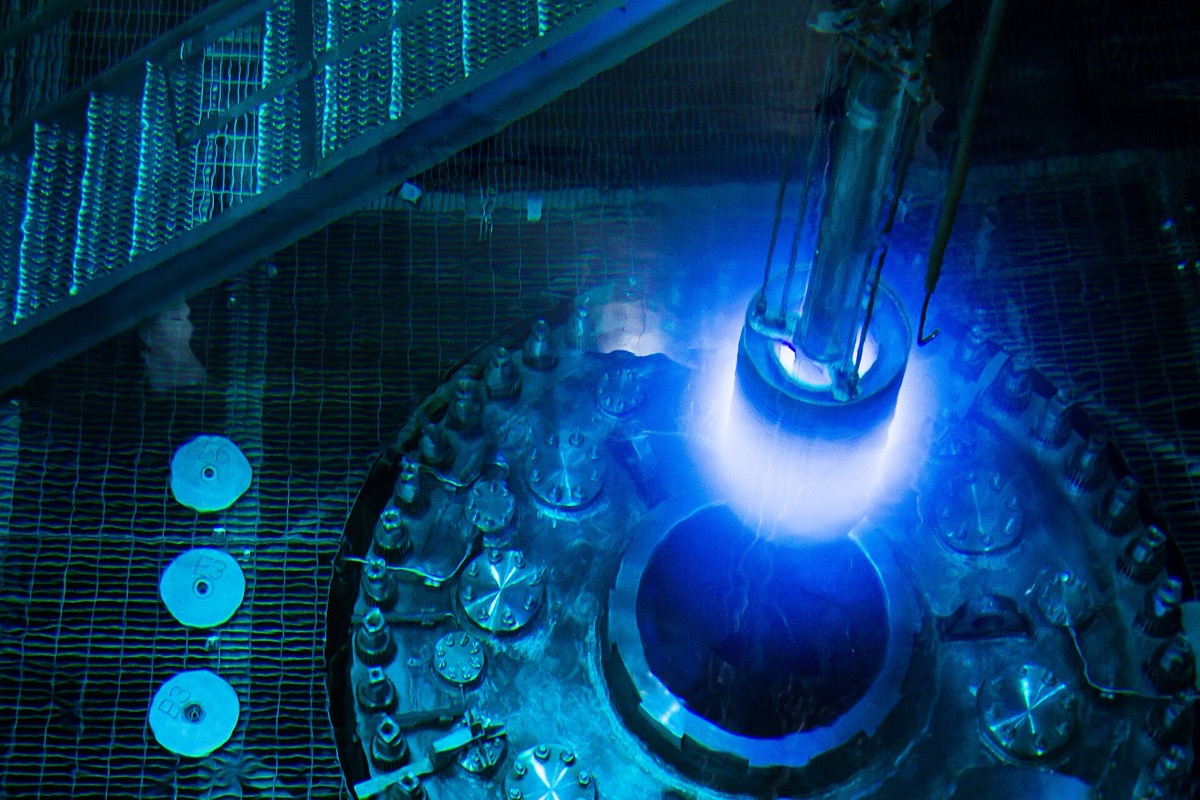 Why does a reactor that has already been shut down still need cooling?energy
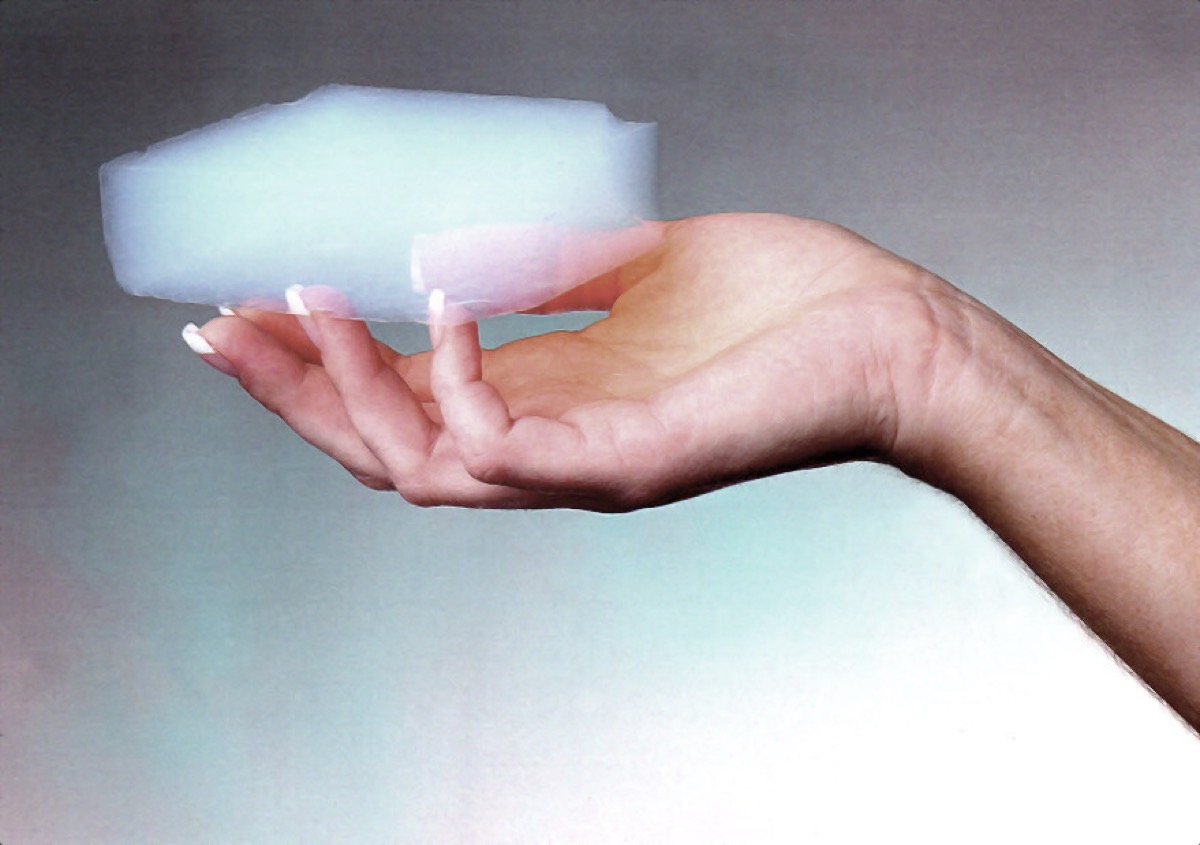 What is a block of aerogel actually made of?chemistry
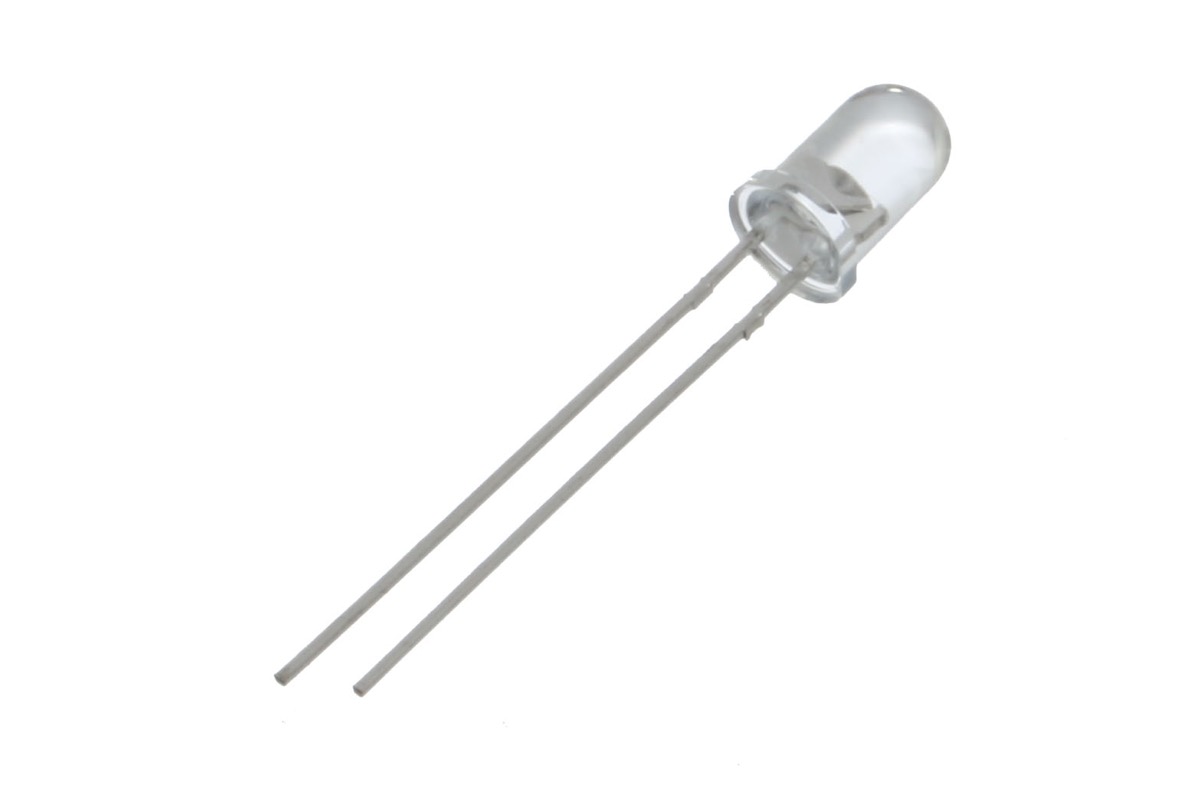 Why did a blue light take thirty years longer than a red one?energy