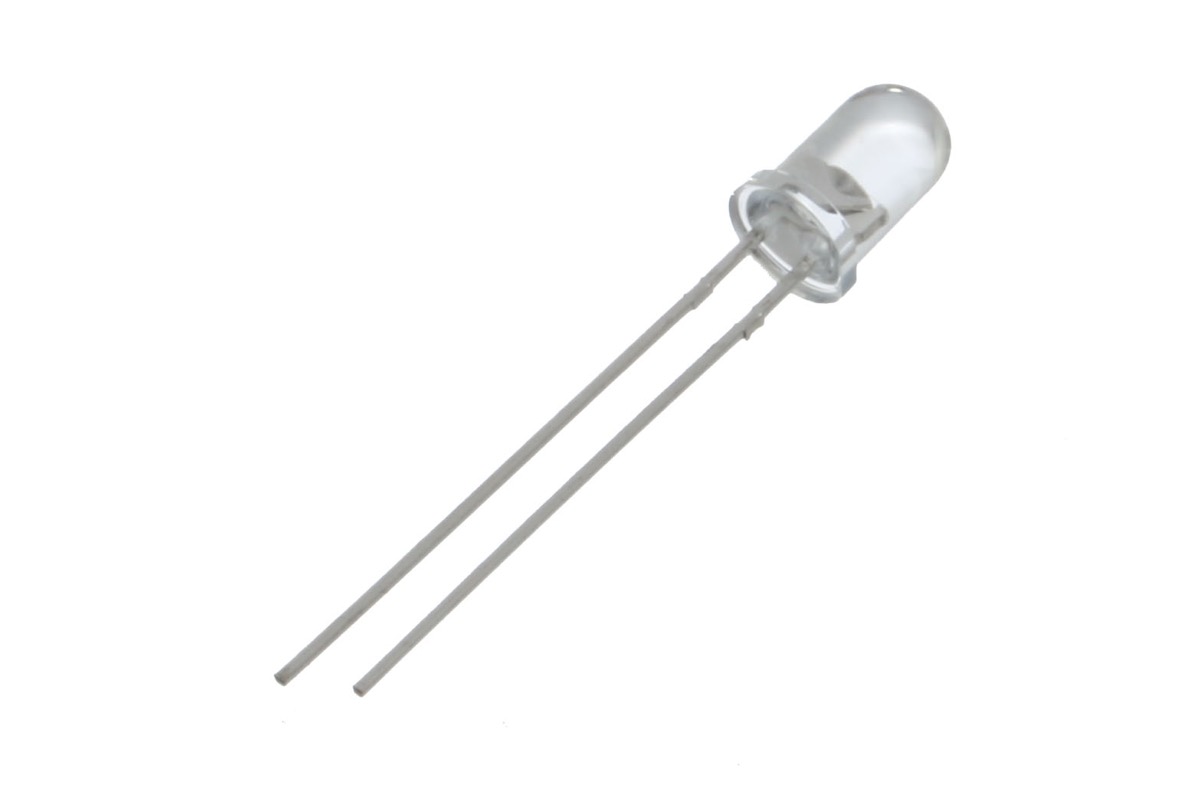
Red and green diodes had been around for a long time, but white lamps could not be made without blue. Despite serious effort in universities and industry, the stayed out of reach for three decades. Akasaki, Amano and Nakamura produced bright blue beams from semiconductors in the early nineteen nineties, and shared the 2014 Nobel Prize in Physics for it.
With blue available, could be made a new way, by combining the colors rather than by heating a filament. White LED lamps are bright, long-lasting and efficient, and they keep improving, with more per unit of electrical input power. The academy’s summary is blunt about the scale of the change: incandescent bulbs lit the twentieth century and LEDs will light the twenty-first.
Red and green light-emitting diodes had been around for a long time, which made the gap conspicuous. Without blue light, white lamps could not be created. Despite considerable efforts in the scientific community and in industry, the blue LED remained a challenge for three decades, and the whole of LED lighting waited behind it.
Isamu Akasaki, Hiroshi Amano and Shuji Nakamura succeeded where everyone else had failed. Akasaki worked with Amano at the University of Nagoya, while Nakamura was employed at , a small company in Tokushima. When they produced bright blue light beams from their semiconductors in the early nineteen nineties, they triggered a fundamental transformation of lighting technology.
The transformation is in how white light gets made. With blue available, white can be created by combining colors rather than by heating something until it glows, which is what an incandescent bulb does and why so little of its energy becomes light. White LED lamps emit a bright white light, last a long time, and use much less power.
They have also kept getting better since. Lamps are constantly improved, with higher luminous flux in lumens per unit of electrical input power. The academy puts the significance plainly. In the spirit of Alfred Nobel the prize rewards an invention of greatest benefit to mankind, and incandescent bulbs lit the twentieth century while the twenty-first will be lit by LED lamps. One caution: this is a citation, written to justify an award rather than to explain why blue was so hard.
wat. White LED light was waiting on one color that nobody could make.
wat wat
It is a reminder that a technology can be blocked by one specific color of one component. Everything else about LED lighting was ready and waiting for thirty years.
How do we know?
The Royal Swedish Academy of Sciences press release for the 2014 physics prize states the citation, names where each laureate worked, and sets out why the blue diode was the missing piece for white light.
What is still unknown
A prize citation rather than a technical history. It describes the achievement and its consequences without detailing the materials problems that made blue so much harder than red or green.
Learn something?
Where to next
 Why does a reactor that has already been shut down still need cooling?energy
 What does the color of a soap bubble know about its own thickness?light
 What had to change before glass could carry a phone call?light