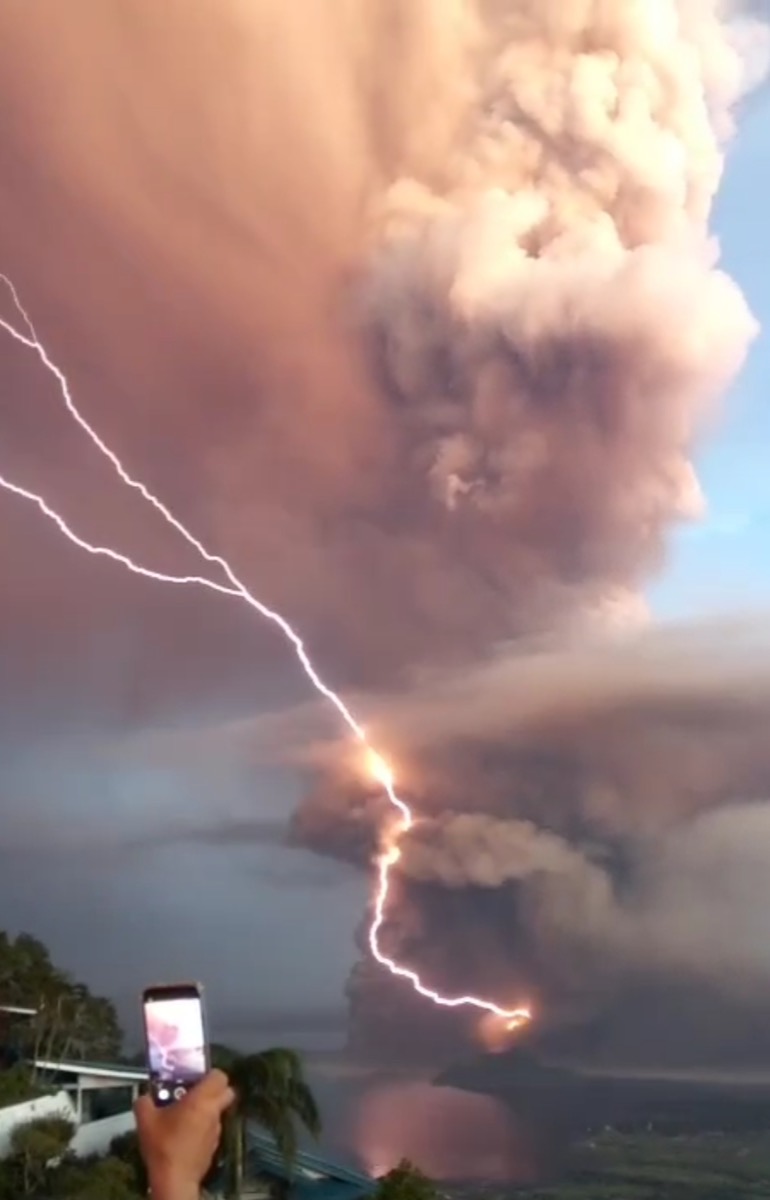
Lightning forms in a thunderstorm when ice and water move about and separate charge inside a cloud. In a volcanic eruption there is no rain and no ordinary cloud, and lightning appears inside the ash column anyway. What makes it there?
The rock does the work. In an explosive eruption molten rock shatters into ash at speed, and the new surfaces carry unbalanced charge while particles collide millions of times and . Then the winds into regions of opposite charge, and when the electric field grows strong enough the air breaks down. In tall columns , and a second mechanism joins in.
Lightning in a cloud of dry ash looks like a contradiction, because in an ordinary storm the charging rests on droplets and on ice. Here the work is done in rock.
In an explosive eruption molten rock shatters into ash at speed, and the new surfaces carry unbalanced charge. Particles collide millions of times and transfer electrons, like a balloon charged on hair, in an enormous volume.
Scattered charge is still not lightning. The winds sort particles by size into different regions, each group tending toward a different charge, and when the field grows strong enough the air breaks down.
In tall ash columns a second mechanism joins in: ice and small hail rub together and move charge as in a thunderstorm. So picking up lightning can give distant warning of dangerous ash even when cloud hides the eruption. Several charging mechanisms operate together, and some change with grain size, with humidity and with the height of the column.
wat. Volcanic lightning starts when collisions and shattering rock separate charge inside the ash cloud.
wat wat
Picking up lightning can give distant warning of dangerous ash even when ordinary clouds hide the eruption.
How do we know?
Antenna arrays, high-speed cameras and shock-tube experiments measure discharges and charge in ash from the vent up to the high cloud.
What is still unknown
Several charging mechanisms operate together, and some of them change with grain size, with humidity and with the height of the eruption column.
Learn something?
Where to next
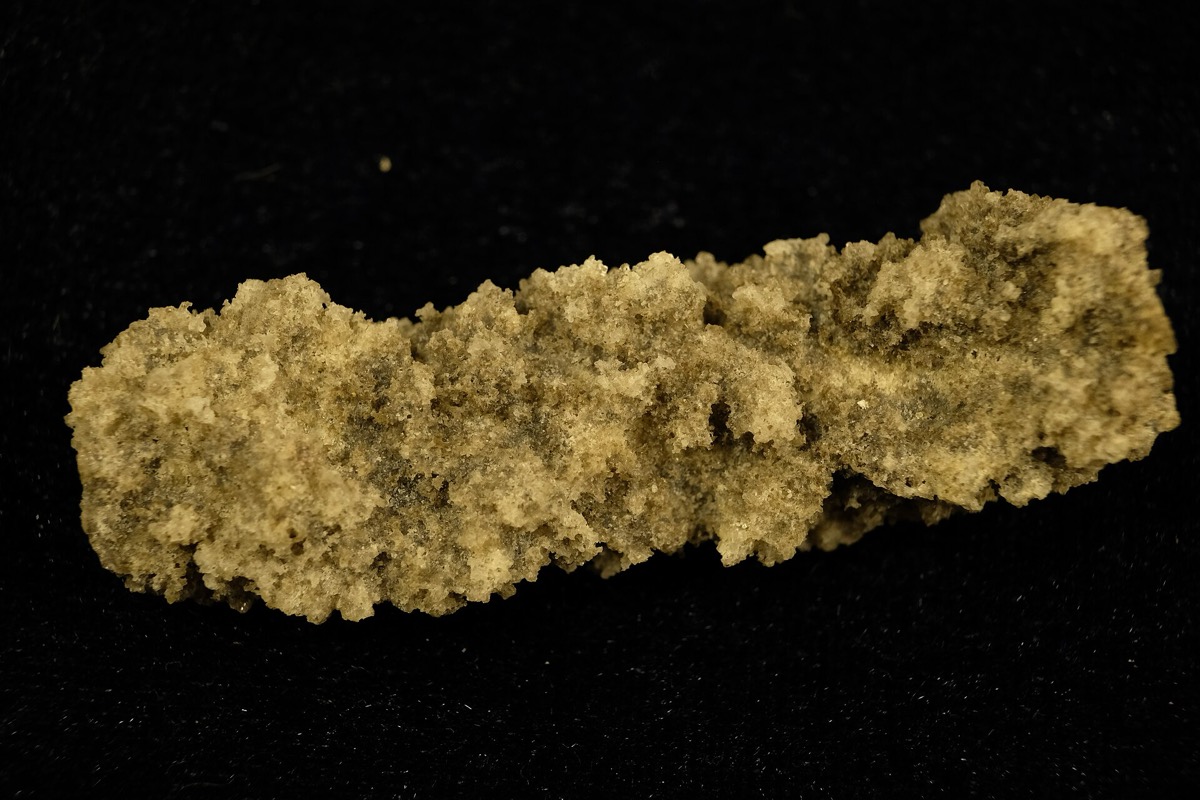 Lightning strikes sand and is gone in an instant. What does it leave below the surface?lightning
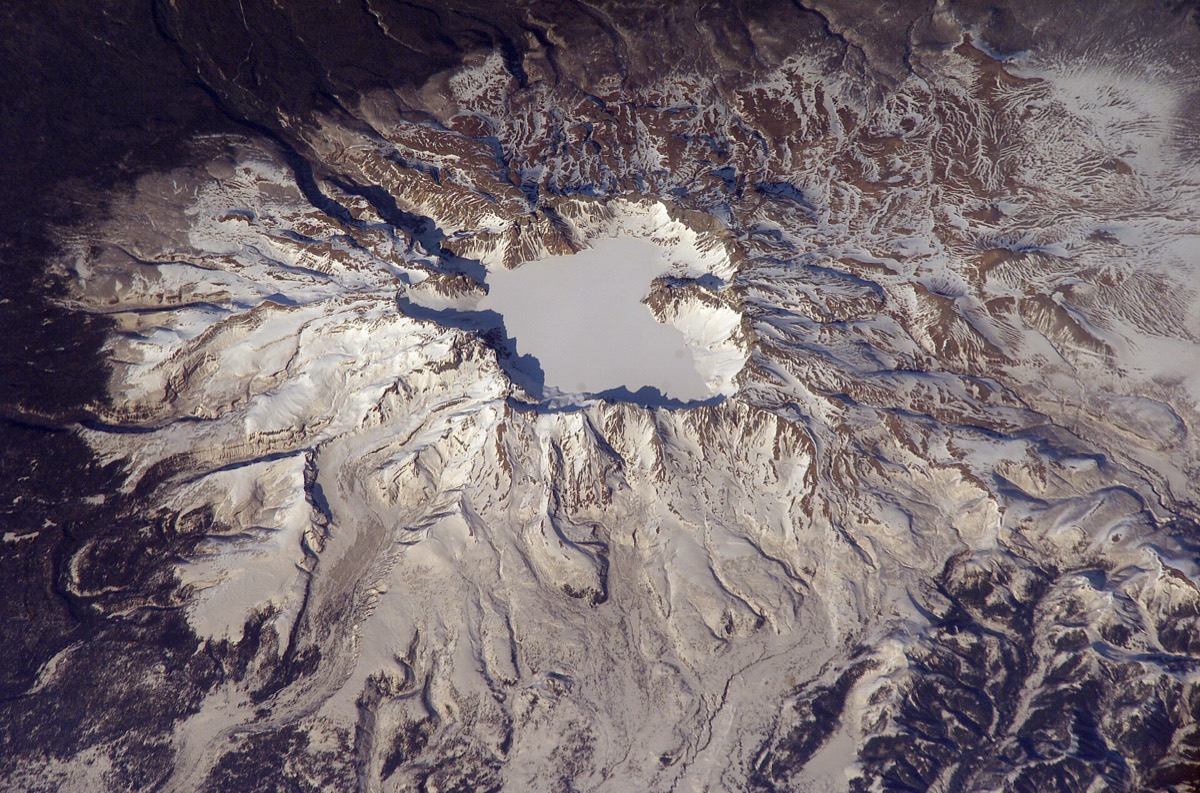 Did a giant eruption bring down a kingdom in East Asia?volcano
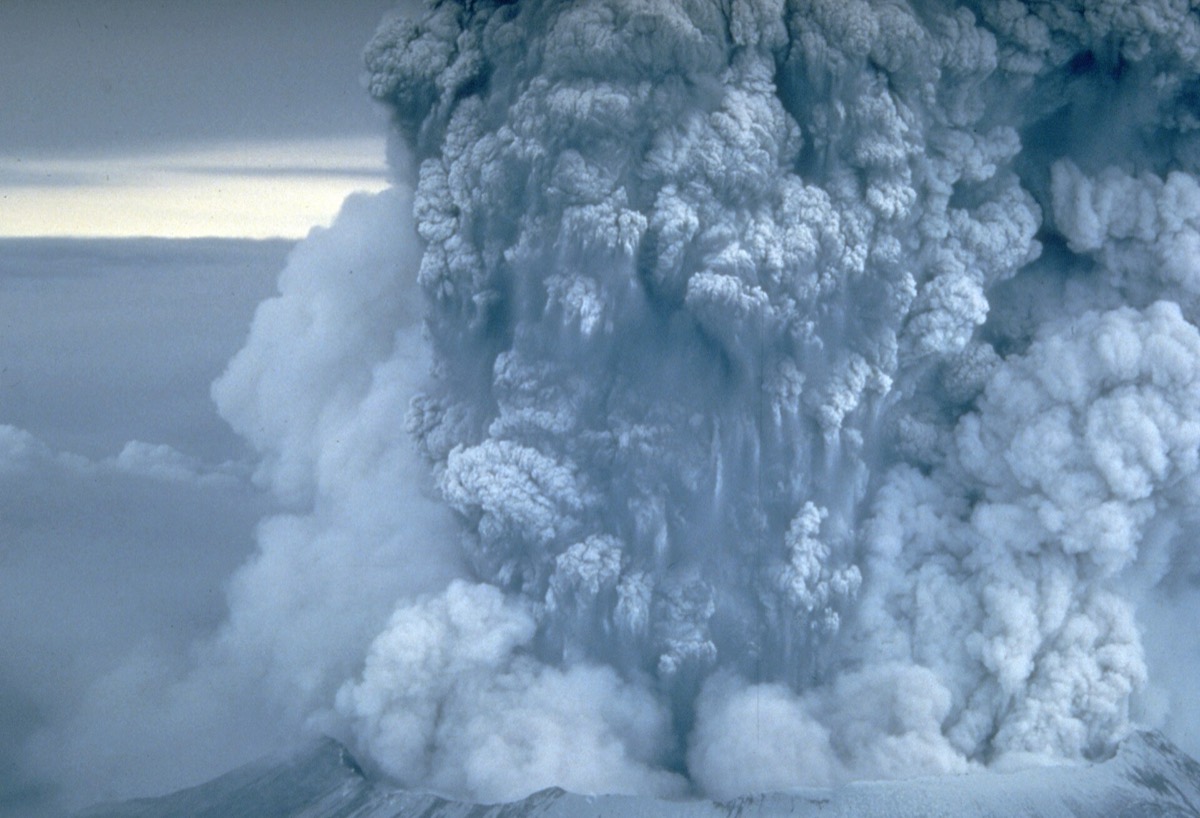 Why did Mount St Helens flatten a forest sideways instead of upward?volcano