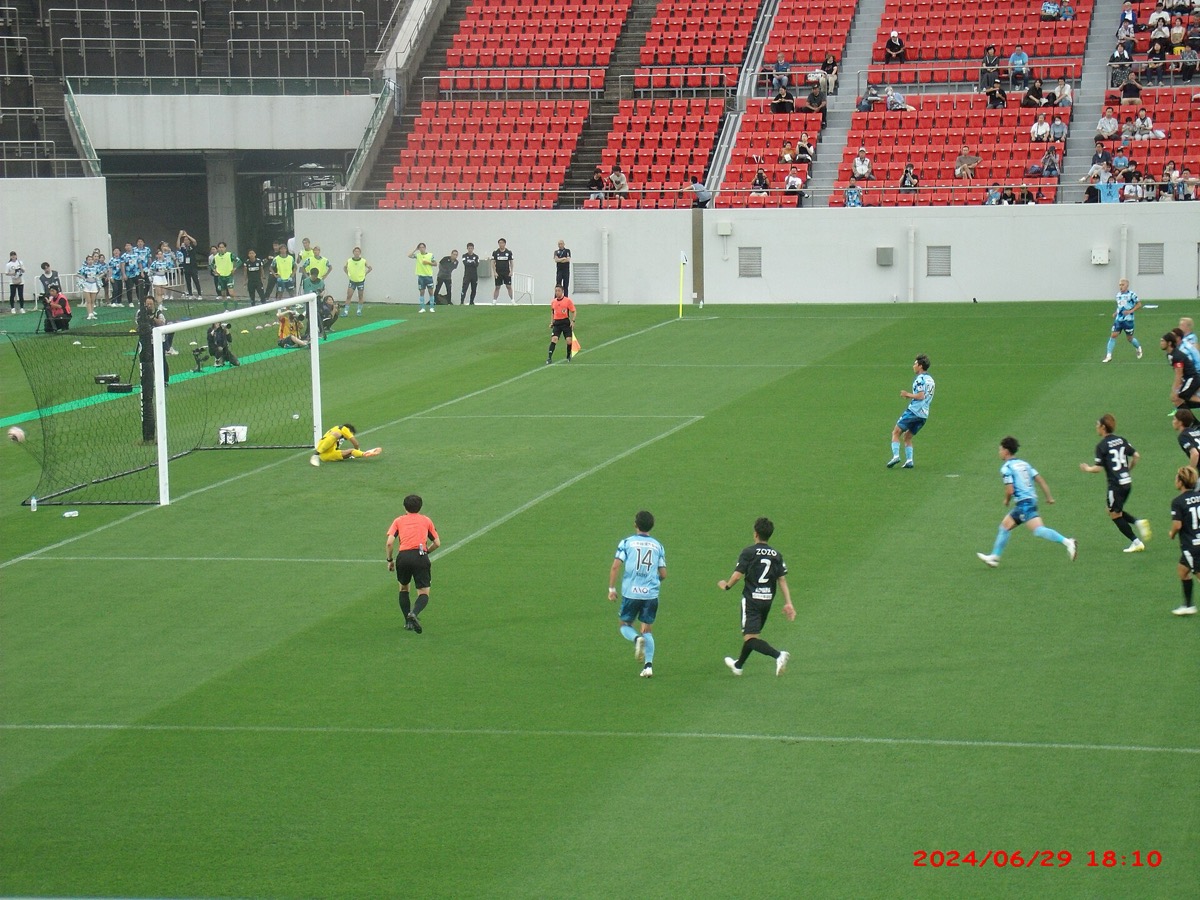
A penalty taker can pick a corner in advance and ignore the goalkeeper, or watch which way the keeper moves and switch late. The second sounds better, since it uses more information. In a field experiment, players were told to change target at varying moments before contact. What did the switch cost?
Two different failures at once. The less time remained before contact, the more often the kick went the wrong way, and the less accurate it was when it did go the right way. A whole has already begun organizing itself, from the final stride through the hips to the foot, and a late change means editing a movement while it runs.
The keeper-dependent approach sounds obviously smart: wait for the dive, then put the ball the other way. The problem is that a ball is not a keyboard. Changing the decision means changing a fast movement that has already left the starting blocks.
The experiment made that measurable. Ten intermediate-level players shot at one of two visually specified targets, to the right or the left of the goal. In some trials they were told the target would not change, and in half the trials a signal at varying times before contact told them to switch.
Performance was less than perfect even in the fixed condition, and it degraded as the shrank. A is exactly what that erodes. appeared: sometimes the player stayed with the original side, and sometimes they reached the new side and missed the target.
The conclusion the author draws is about the body, not the brain. Anticipating the keeper may degrade performance mainly because there is insufficient time to modify the kicking action once it is under way. That does not mean ignoring the keeper is always right, and it does mean a reactive strategy needs a cue that arrives early.
wat. Changing target late in a penalty forces the body to correct a movement already under way, and two kinds of error follow.
wat wat
It explains why trying to be purely reactive can turn a tactical advantage into a motor problem, which is also why good keepers delay their dive on purpose.
How do we know?
Van der Kamp had ten intermediate-level players shoot at one of two marked targets. In some trials the target was fixed, and in others a signal at various times before ball contact indicated that the direction had to change.
What is still unknown
A small field study with intermediate players kicking at marked targets, not a full duel against a professional keeper trying to deceive them. The numbers describe the motor difficulty rather than the contest.
Learn something?
Where to next
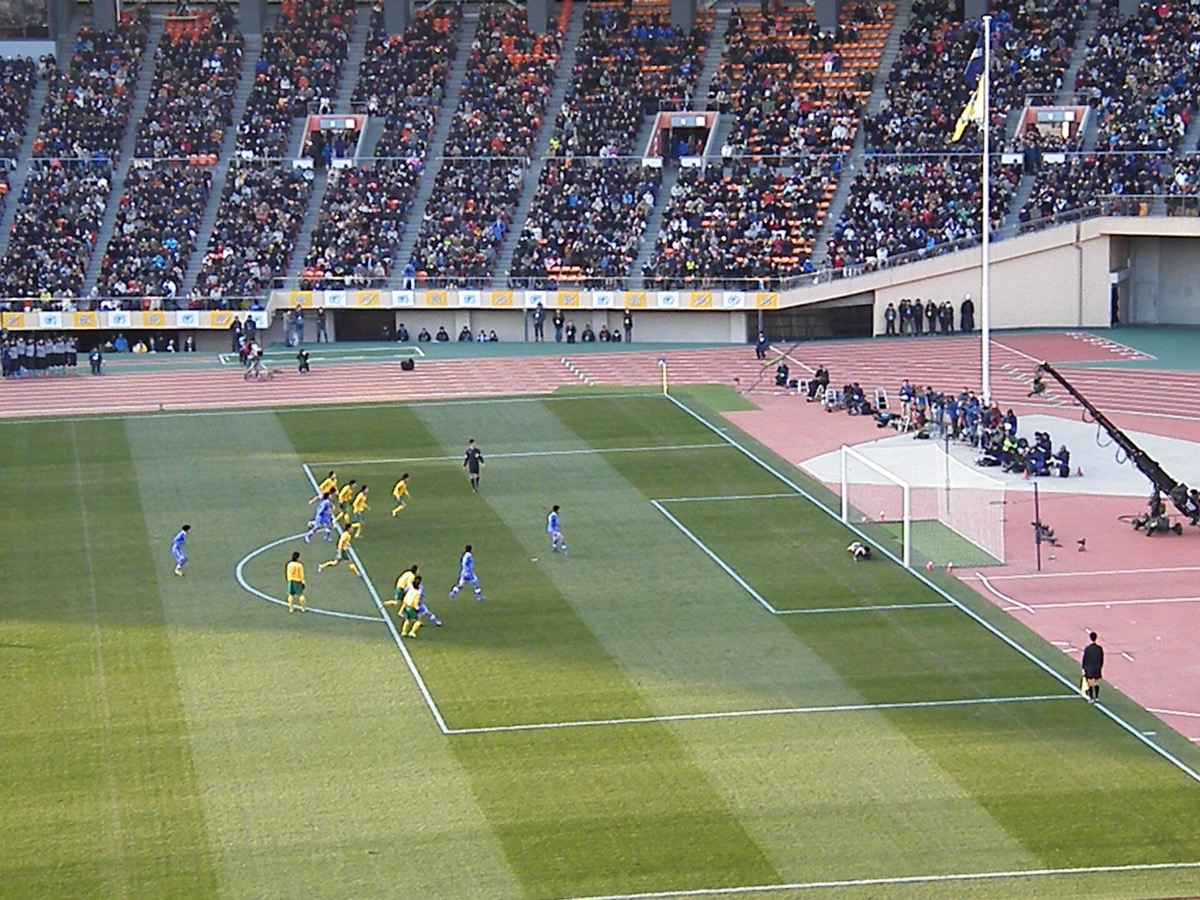 Should a goalkeeper facing a penalty really just stay in the middle?soccer
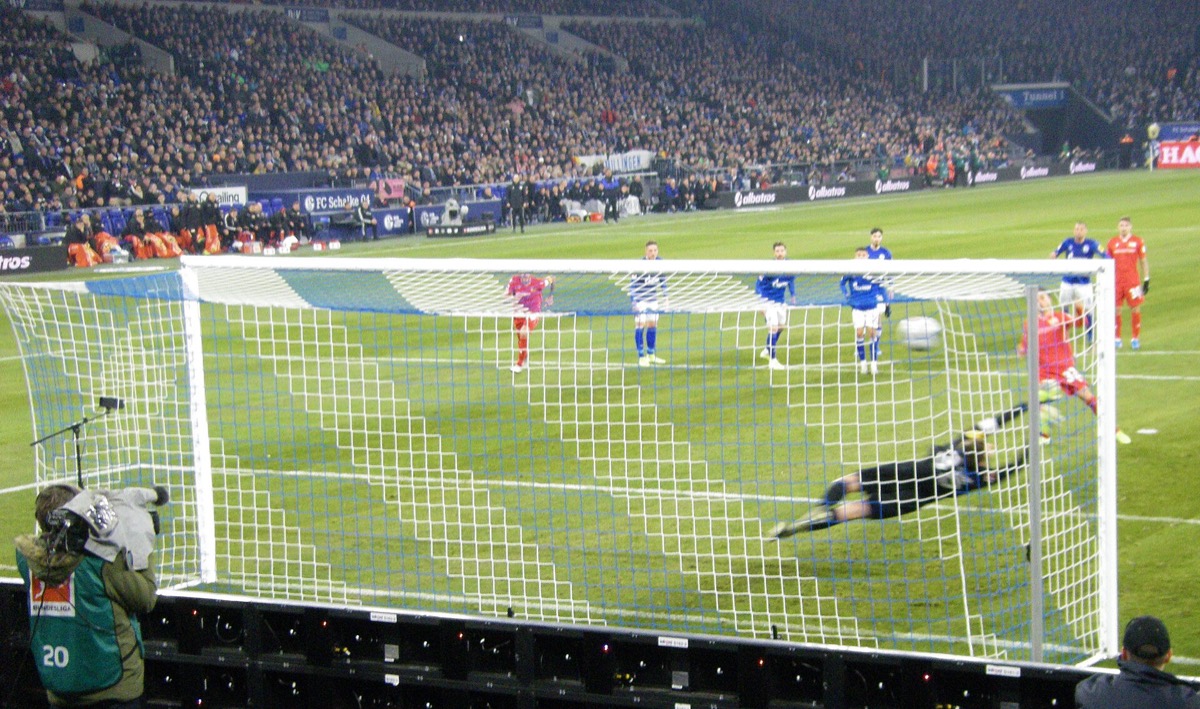 Can an advertisement sliding behind the goal move a penalty kick as well?soccer
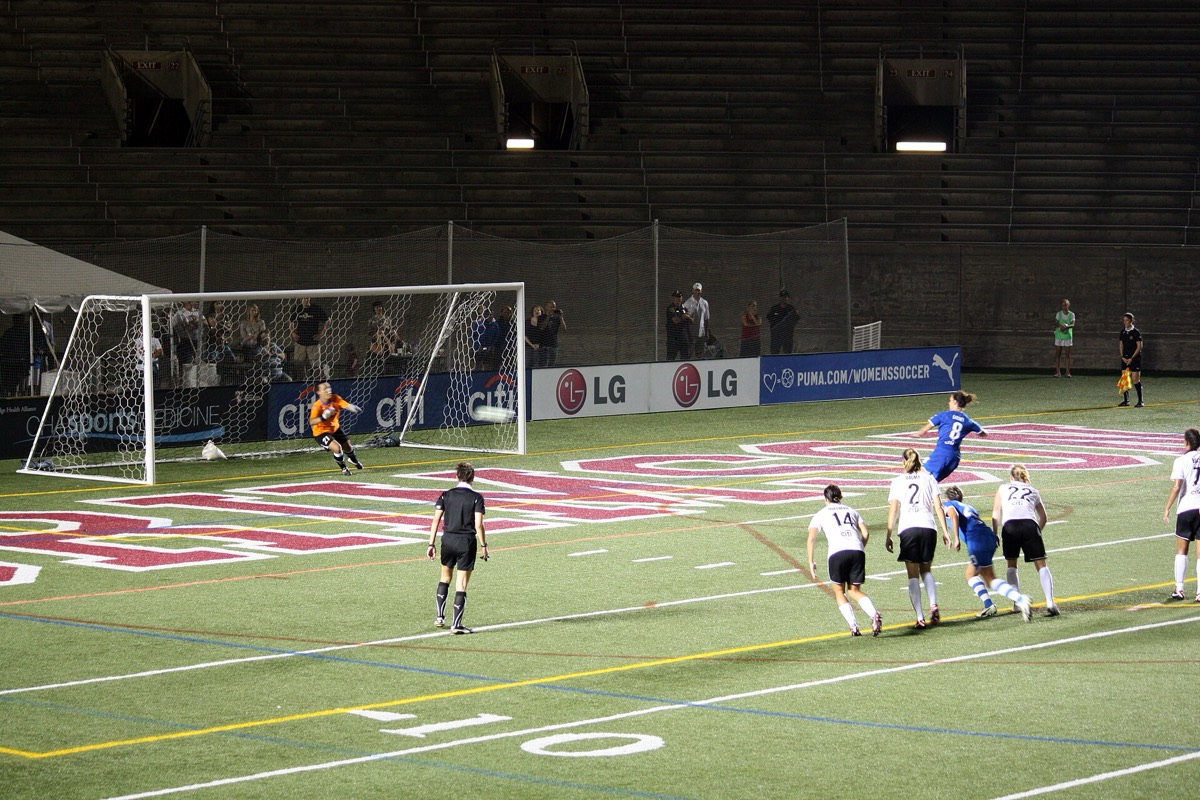 Where do the eyes go when you take a penalty under pressure?penalty