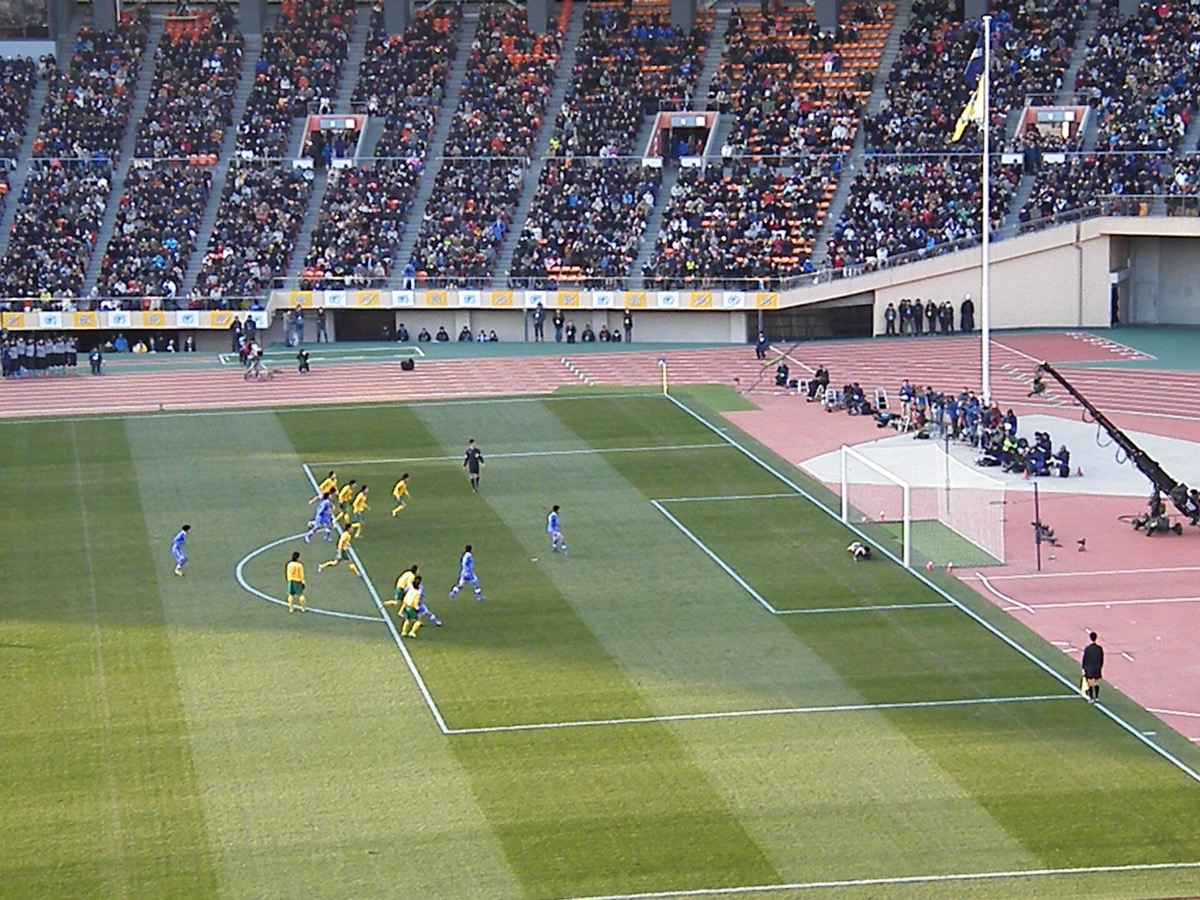
Every coach says a keeper has to dive, and a famous paper said the coaches were wrong. Staying put would have saved more penalties, and keepers dive because conceding without moving feels worse than conceding while trying. That was , published in 2007. A appeared in 2026. What did it find?
No bias to find. Returning to penalty data from elite goalkeepers, the replication reports no action bias during penalty kicks, which takes the advantage of staying central with it. The deeper trouble is that a kicker and a keeper each choose with the other in mind, so the frequency of kicks to one side cannot establish that one response is optimal. Usually none is.
The 2007 finding was irresistible, which is part of why it traveled so far. Analyzing penalty kicks, it concluded that goalkeepers would stop more shots by staying in the center, and that they dive anyway because inaction feels unbearable when it fails.
The story fit a wider literature about omission and commission, and it got retold everywhere from behavioral economics courses to commentary boxes. A result that satisfying is exactly the kind worth re-examining, because the satisfaction does none of the statistical work.
The 2026 replication, published in the same journal, went back to penalty data from elite goalkeepers and reports no action bias during penalty kicks. With that, the central advantage that the bias was invented to explain goes too.
A structural reason to distrust the original inference sits underneath all of this, and it is . The kicker and the keeper each choose knowing the other is choosing, and if keepers stayed central the kickers would adjust. In that setting there is usually no single , only a mixture, and the frequency table cannot tell you otherwise. None of this instructs any particular keeper, which depends on the opponent in front of them.
wat. The 2026 replication found no sign that a keeper who stays central stops more penalties, against a famous claim from 2007.
wat wat
This is a clean lesson in the difference between a persuasive psychological story and a strategy that holds up when the data and the players change.
How do we know?
Singh and Mukherjee revisited penalty kick data for elite goalkeepers and reexamined the original analysis, which was published in the same journal that carried the 2007 paper.
What is still unknown
The replication does not tell any individual keeper where to stand against any individual kicker. Strategy there depends on the opponent, on ability and on whatever advance information exists.
Learn something?
Where to next
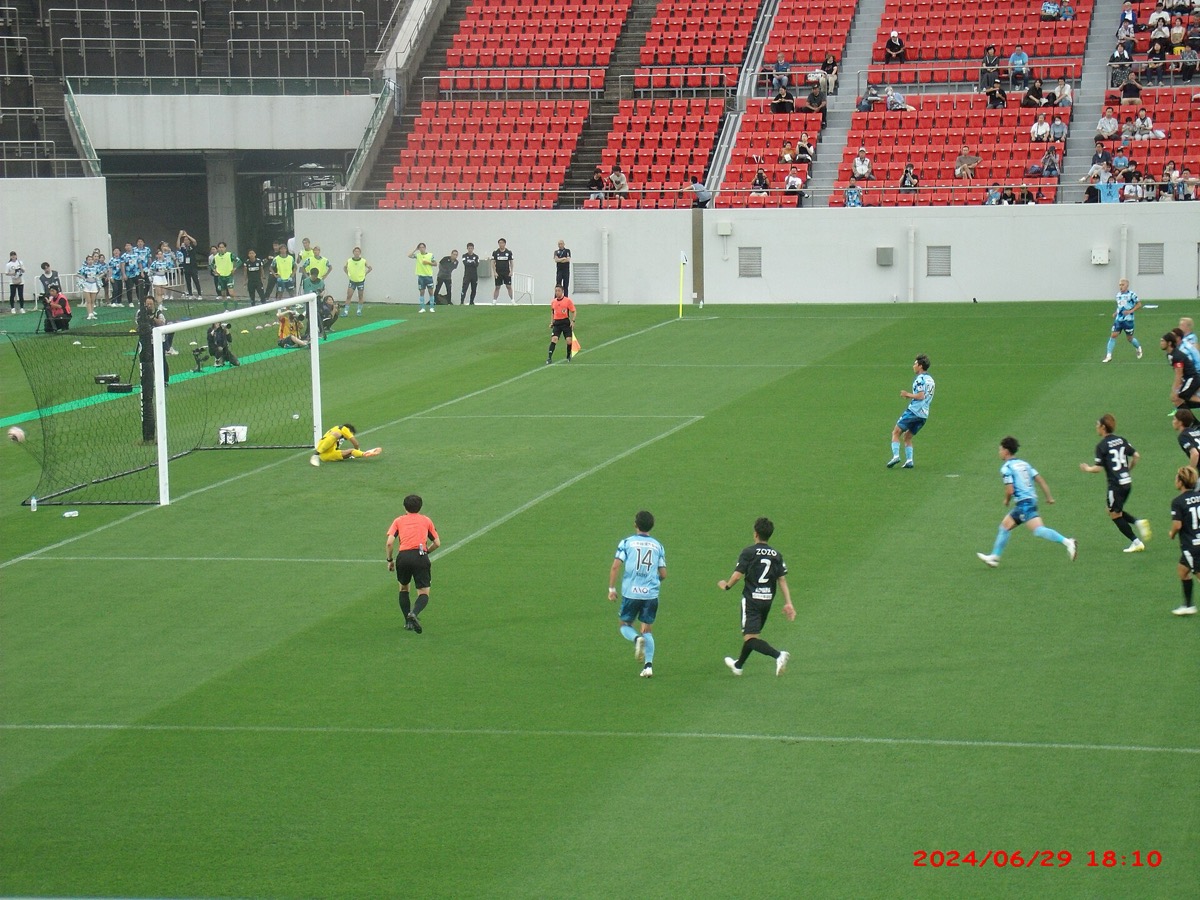 What does it cost to change your mind at the last instant of a penalty kick?soccer
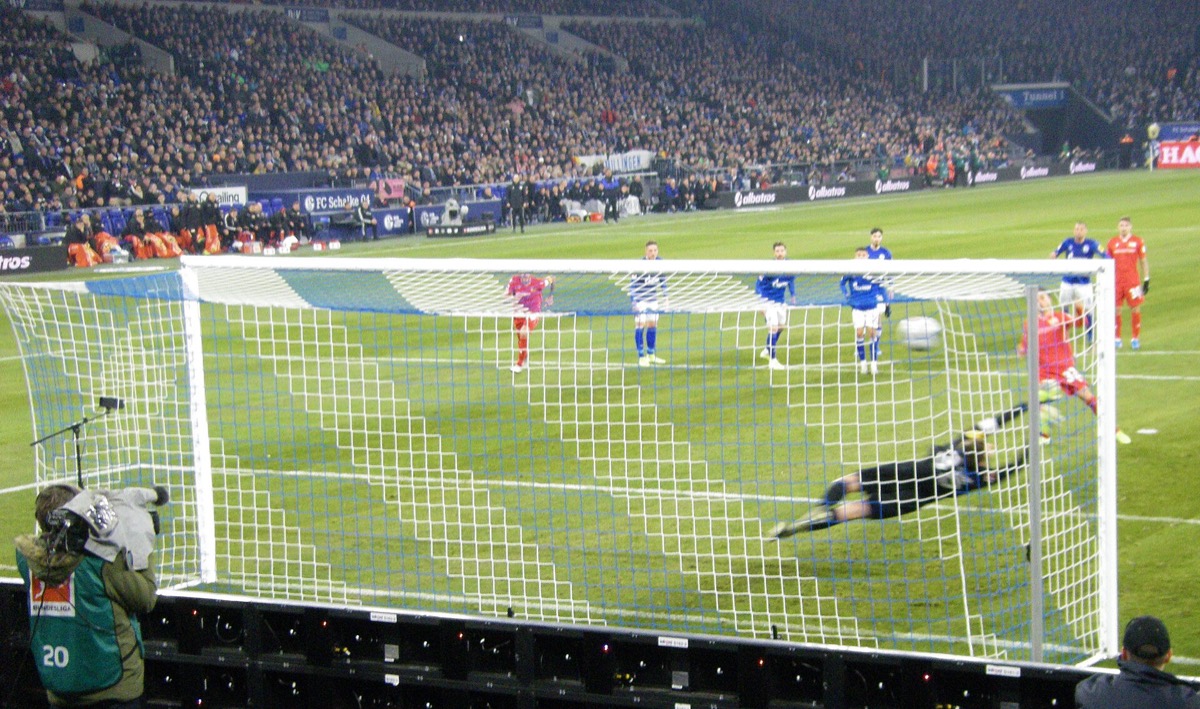 Can an advertisement sliding behind the goal move a penalty kick as well?soccer
 A player has scored three in a row. Is it really worth passing to him again?replication