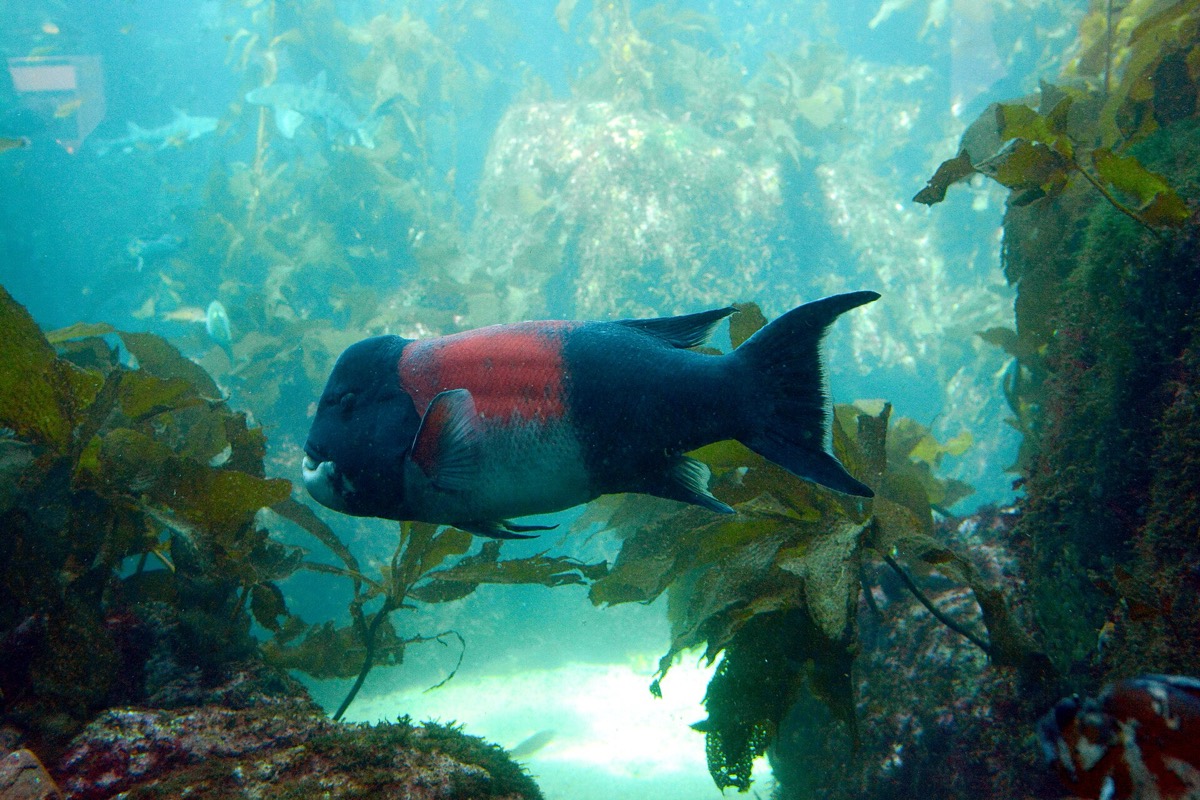
Kelp forests form key habitats in temperate and Arctic coastal seas, with ecosystem services valued in the billions of dollars a year. Local evidence suggests they are increasingly threatened by several stressors at once. No comprehensive global analysis of change in kelp abundance existed, so the direction of the global story was unknown.
Not everywhere, and the variation is the finding. A global database of kelp time series over half a century gives a small average decline, and the regional trajectories diverge. Kelp declined in 38 percent of with data, increased in 27 percent, and showed no detectable change in 35 percent.
Kelp forests of the order Laminariales form key biogenic habitats in temperate and Arctic coastal seas worldwide, with ecosystem services valued in the range of billions of dollars annually. Local evidence suggested increasing threat, and no comprehensive global analysis of change existed.
So the authors built and analyzed a global database of kelp time series spanning the past half-century, which is the first globally comprehensive look at kelp forest change over 50 years.
What they found is variation rather than a trend. Regional variability in the direction and magnitude of change far exceeds a small global average decline, with an of minus 0.018 per year for the global figure.
The breakdown is three ways: declines in 38 percent of ecoregions for which data exist, increases in 27 percent, and no detectable change in 35 percent. The authors attribute this to regional differences in drivers, uncertainty where coverage is poor, and the dynamic nature of kelp populations, and conclude that dominate kelp dynamics, unlike many other .
wat. A small global decline hides regions going down, regions going up, and regions holding steady.
wat wat
If local stressors dominate, then the response has to be local too, which is a different conclusion from a global average.
How do we know?
Krumhansl and colleagues built and analyzed a global database of kelp time series spanning the past half-century, then compared regional and global trends in abundance.
What is still unknown
Some regions have poor spatial and temporal data coverage, which the authors name as a source of uncertainty in the trends they report.
Learn something?
Where to next
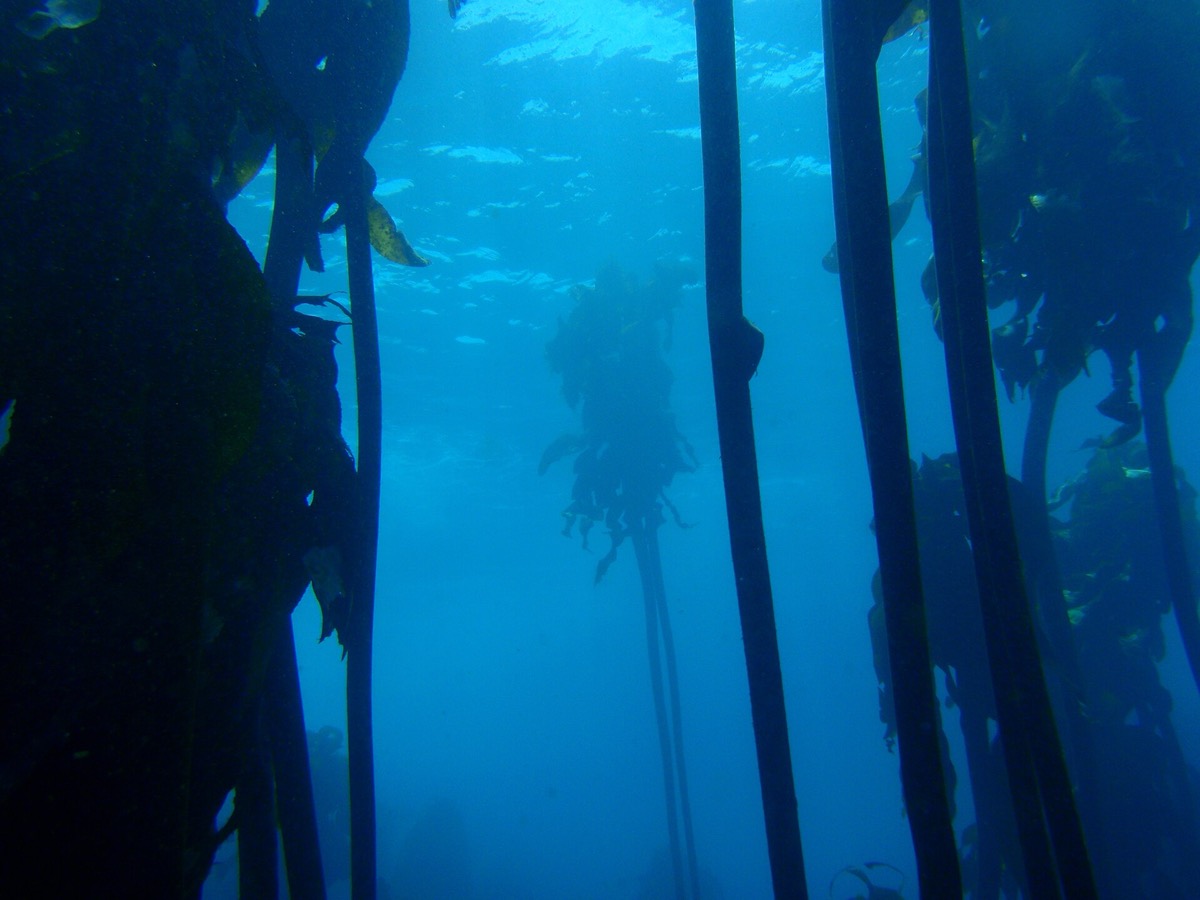 How much carbon sits in the kelp forests off northern Portugal?kelp
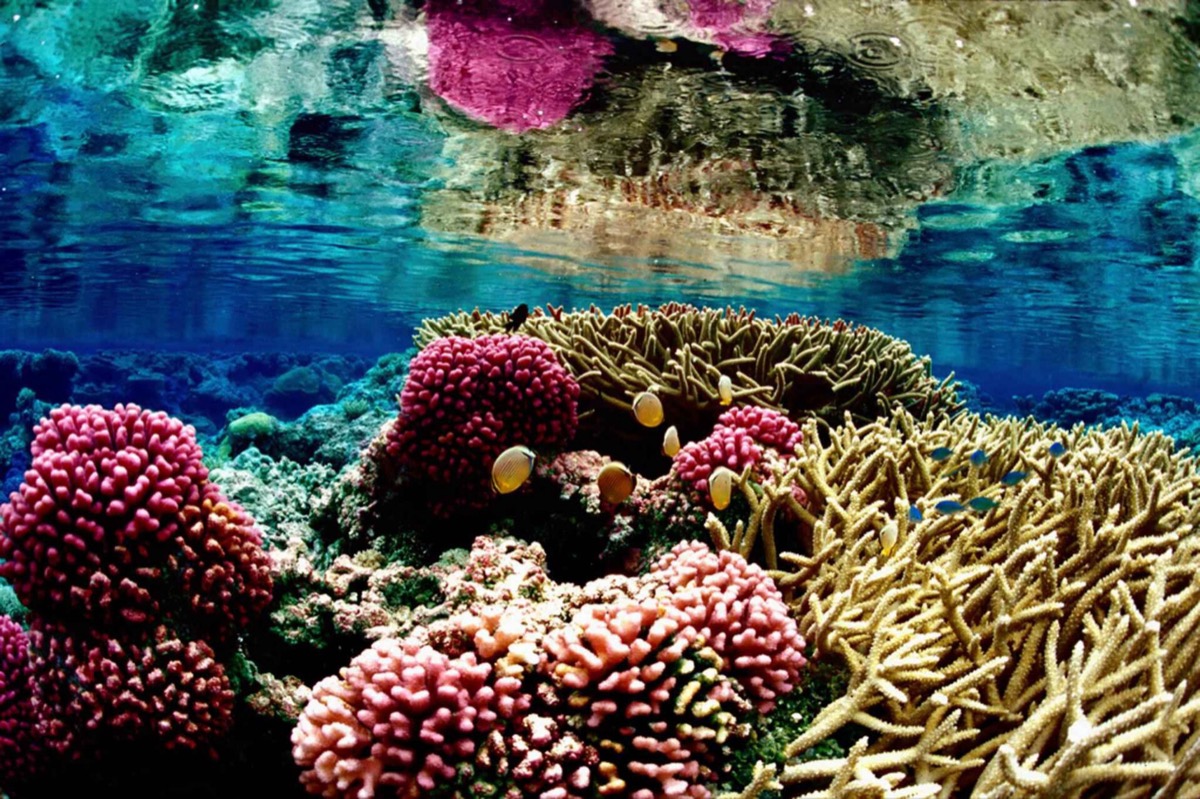 How much of the ocean do coral reefs actually cover?marine ecology
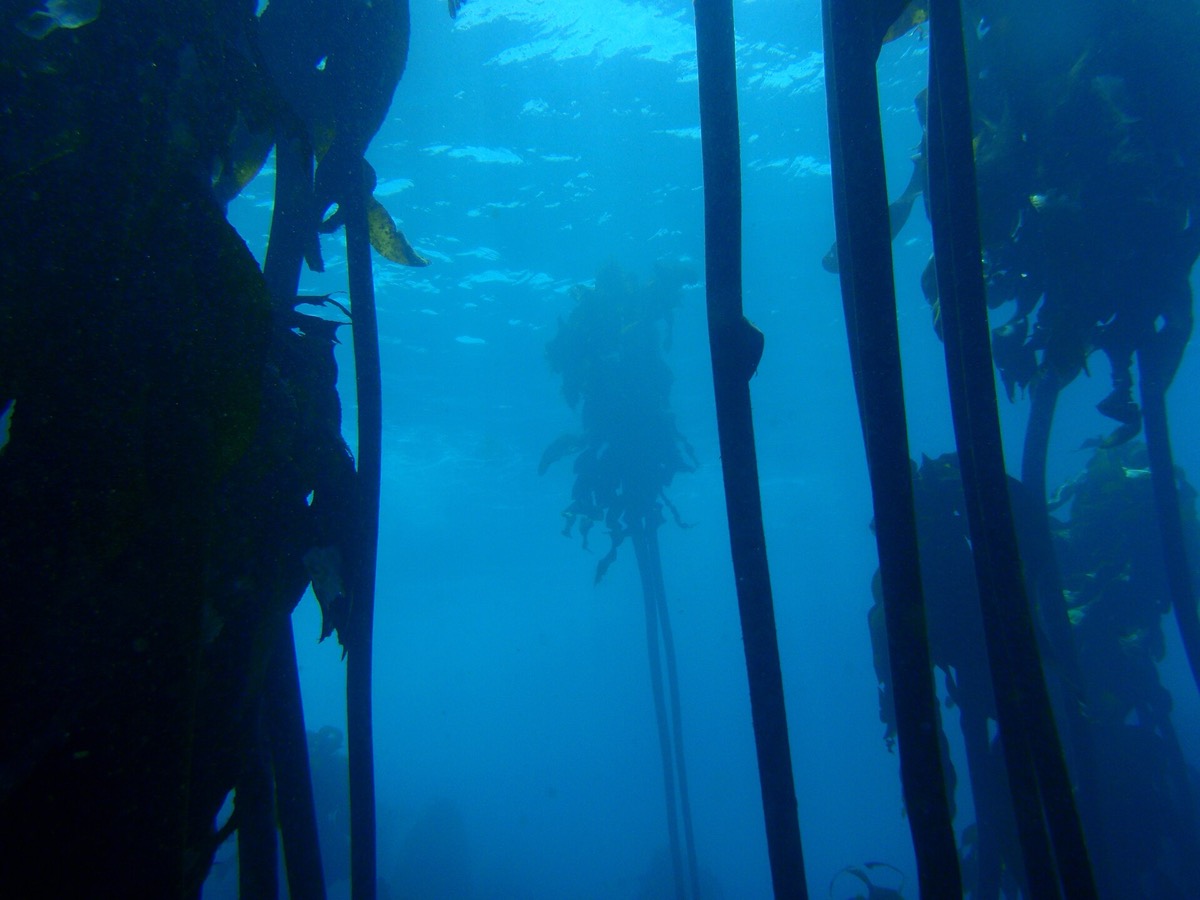 How much carbon is standing in a country’s kelp forests?kelp