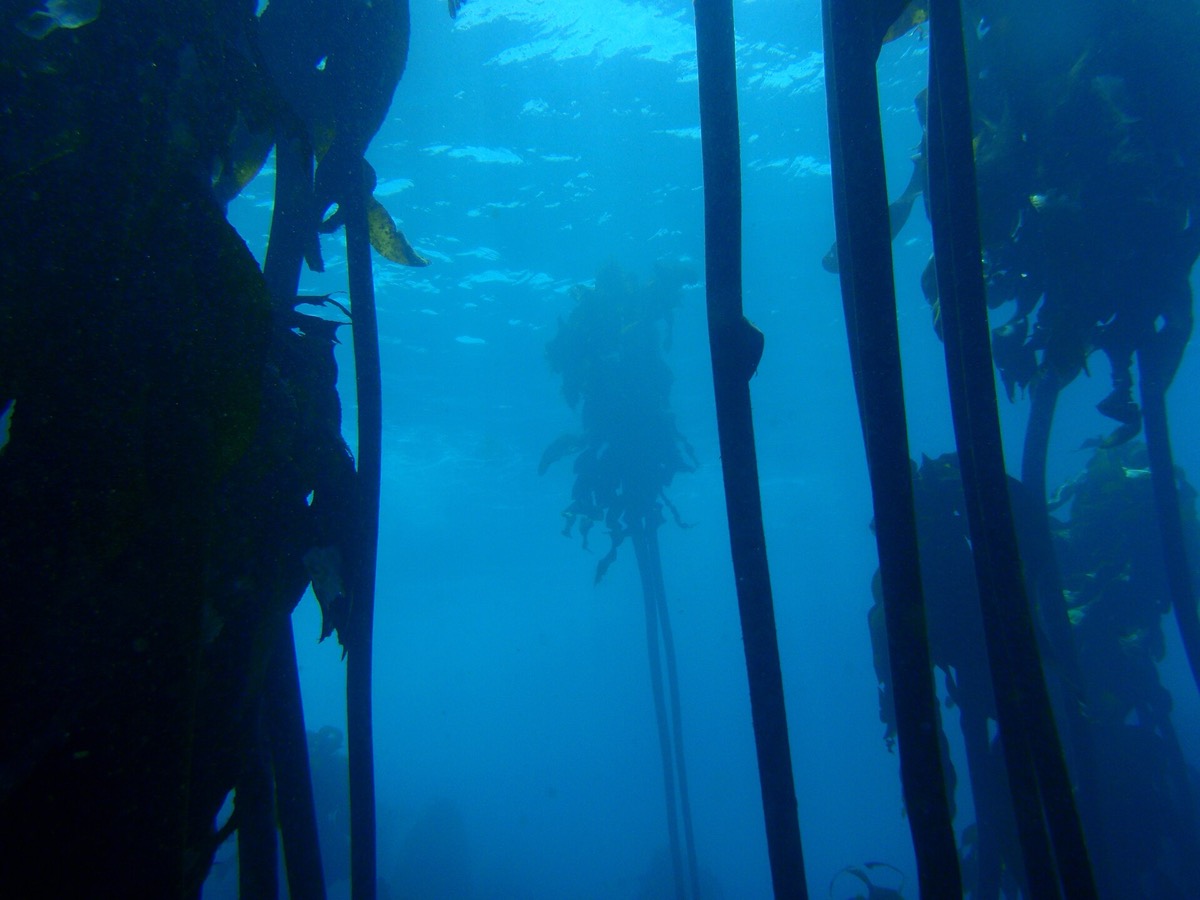
For Norway, about 2.6 million tonnes. The authors applied statistical models to six hundred and thirty scuba samples of along the Norwegian coast. They estimated 56 million tonnes of living biomass in fresh weight, and a of 2.6 million tonnes. That is equivalent to 9.5 million tonnes of carbon dioxide, over roughly five thousand square kilometers of kelp forest.
The annual figure is smaller and separate. They put the carbon sequestration potential of those forests at 0.46 million tonnes a year. Getting to any of these numbers meant first describing the plants: ten characteristics covering size, allometry, density, biomass and , measured across gradients of depth, and latitude.
Interest in the ecosystem services macroalgae provide has grown worldwide, and many of those services depend on the plants’ structural and morphological characteristics. So a study of what kelp forests are worth has to begin by measuring the kelp. These authors examined how canopy plants of Laminaria hyperborea vary along the Norwegian part of the northeast Atlantic.
The dataset is unusually large for underwater work: six hundred and thirty scuba samples compiled from different research and monitoring projects along the Norwegian coast, from fifty-eight to seventy-one degrees north. Ten characteristics related to size, allometry, density, biomass and epiphytes were analyzed across wide gradients of depth, wave exposure and latitude.
The patterns are geographic. The largest kelps, the highest biomass and the highest biomass of epiphytic algae were all found in Mid-Norway, between sixty-three and sixty-five degrees north. Most size-related characteristics were reduced with water depth and enlarged with wave exposure, so rougher water grows bigger plants.
From those relationships the authors built statistical models that give site-specific values at any location from latitude, depth and wave exposure, which is what allows a national total. Norwegian kelp forests were estimated to cover about five thousand three hundred and fifty-five square kilometers. Applied to that area, the models give 56 million tonnes of living biomass in fresh weight. They also give a carbon standing stock of 2.6 million tonnes, or 9.5 million tonnes of carbon dioxide, and a sequestration potential of 0.46 million tonnes a year. One caution: these are modeled figures from structural measurements, not measured carbon burial.
wat. Norway’s kelp holds about nine and a half million tonnes of carbon dioxide, standing in the water.
wat wat
Blue carbon accounting needs numbers for actual coastlines, not for kelp in general. These models yield site-specific values from latitude, depth and wave exposure, which is what allows a national estimate at all.
How do we know?
The authors compiled six hundred and thirty scuba samples from research and monitoring projects along the Norwegian coast, from fifty-eight to seventy-one degrees north. Ten kelp characteristics were analyzed against depth, wave exposure and latitude.
What is still unknown
Model-derived estimates built on structural measurements rather than direct carbon flux measurements, for one species along one coast. Sequestration potential in particular is a projection, not an observation of carbon buried.
Learn something?
Where to next
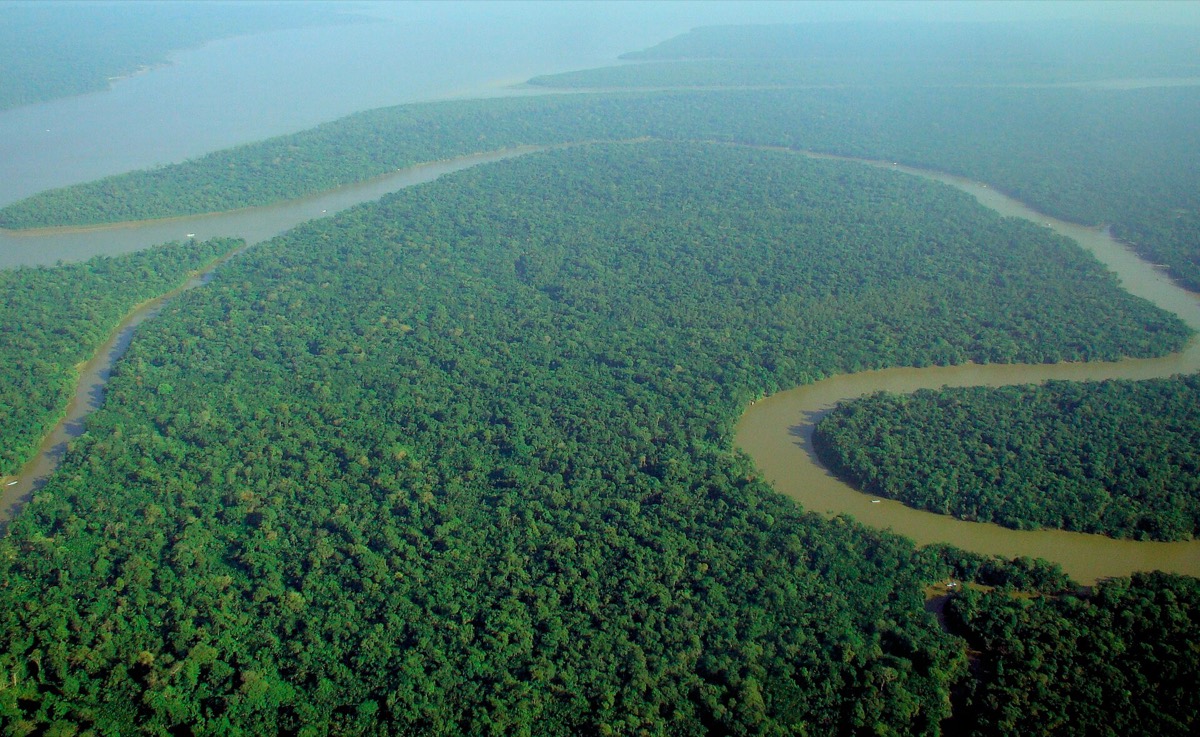 Does the Amazon still absorb more carbon than it releases?carbon
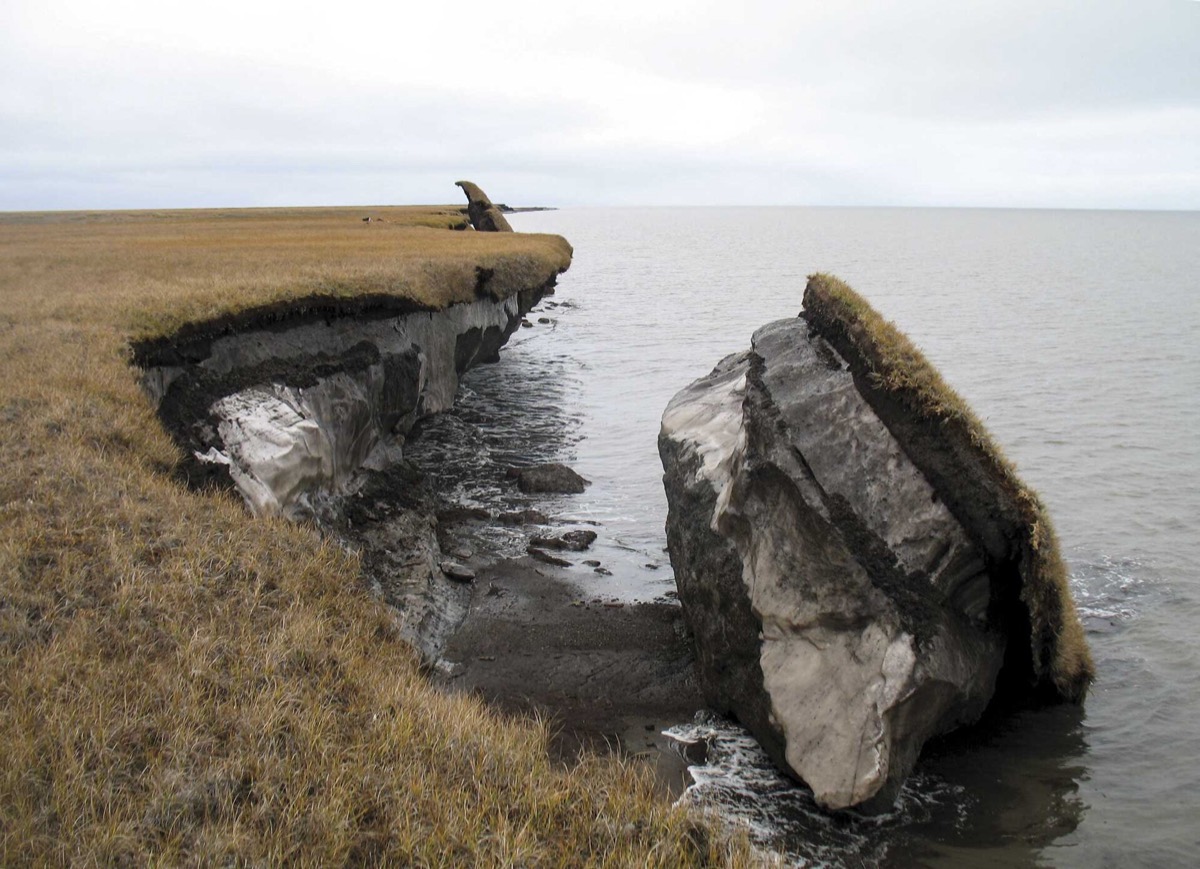 What comes out of the frozen ground of the north when it thaws?carbon
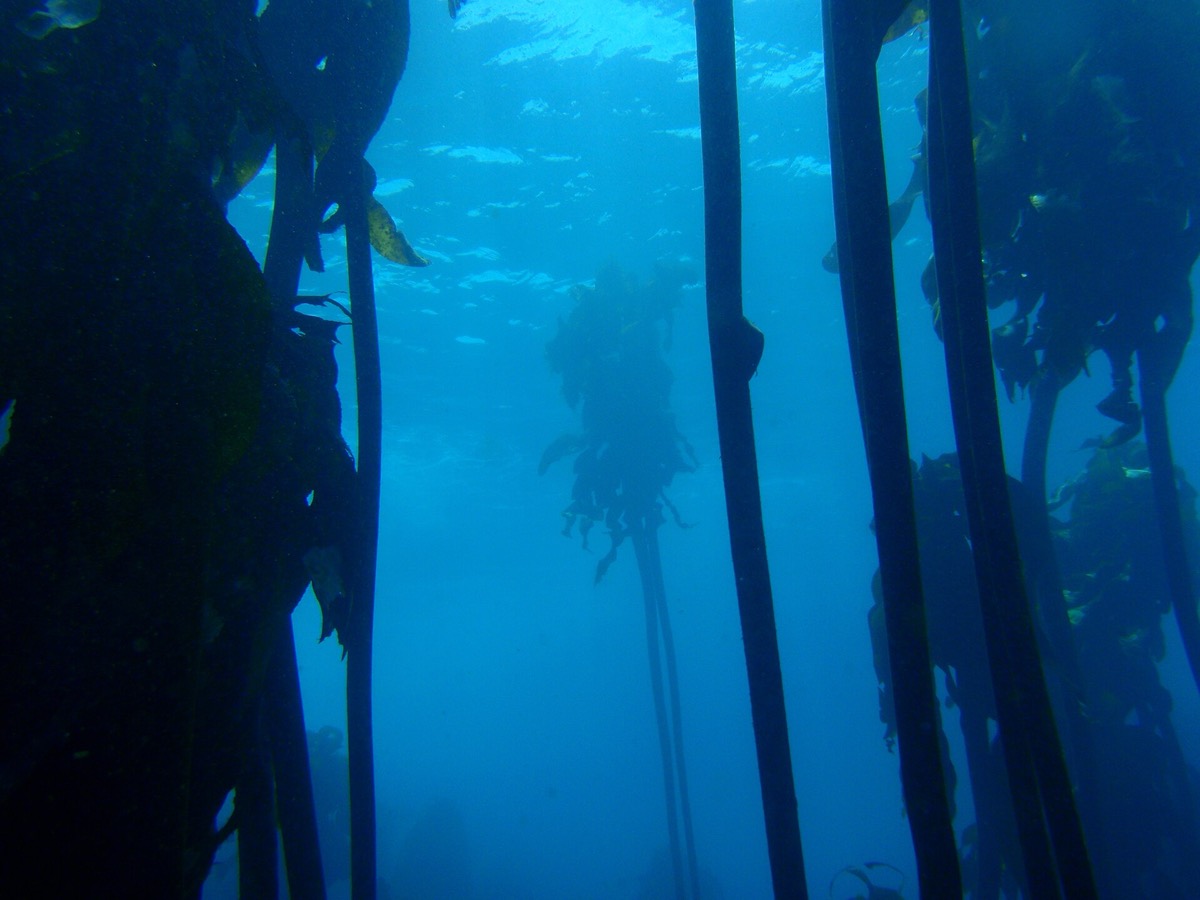 How much carbon sits in the kelp forests off northern Portugal?kelp