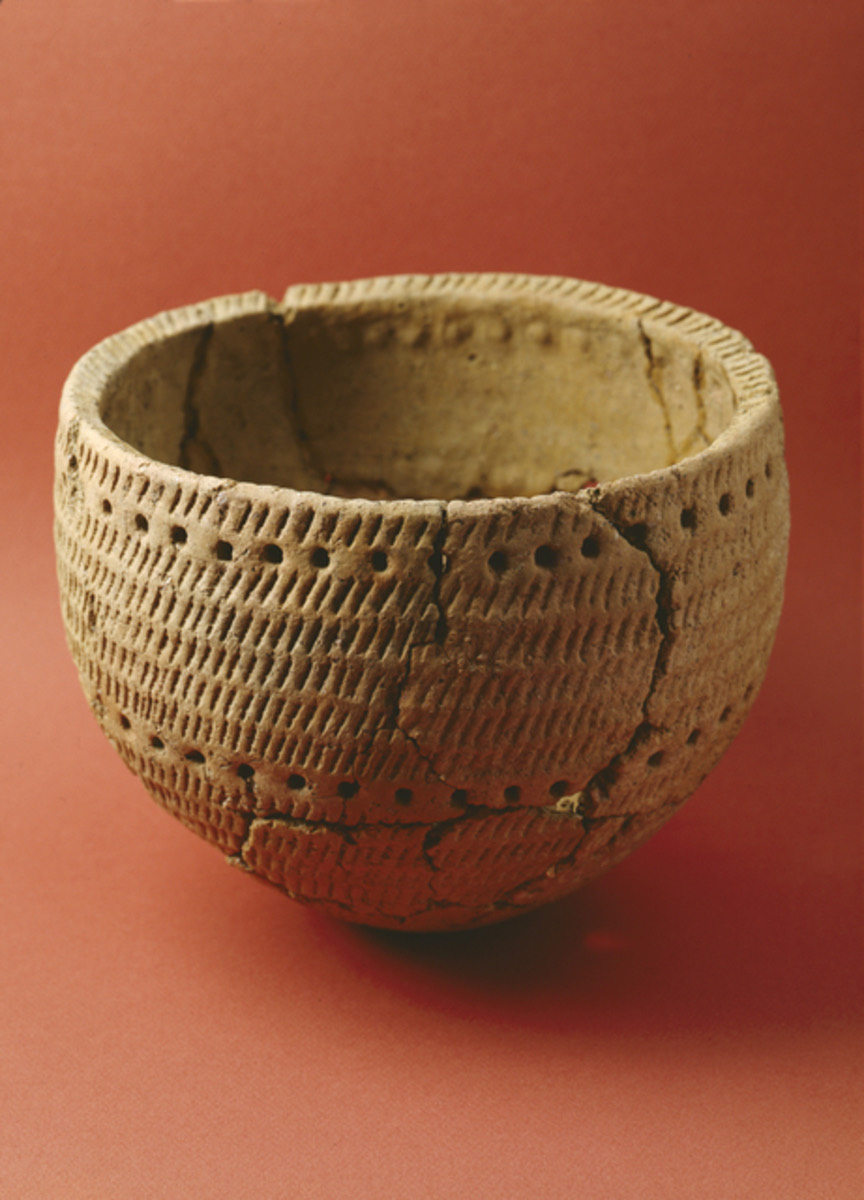
When food burns and sticks to a clay vessel it leaves that can be studied thousands of years later. Except that alone mainly identifies animal food, so the menu it produces is biased. How do you see the rest?
By looking instead of only measuring. Across 85 vessels from sites in northern and eastern Europe, of plant parts inside the crust was added to the chemistry. In 58 vessels there were tissues of wild grasses, pulses, fruits, roots or leaves, sometimes alongside animal ingredients. The plant menu turned out to be more varied than one method had shown.
The question of what hunter-gatherers cooked in an ancient pot was answered for years mainly through fat molecules. But the method tends to foreground animal food, and plants can stay invisible even though they went into the pot.
This work examined burnt food crusts from 85 pottery vessels at 13 sites in northern and eastern Europe, from the sixth to the third millennium BCE. Alongside lipid chemistry it used microscopy and isotope measurements.
In 58 vessels it was possible to identify tissues of wild plants: grasses, pulses, fruits and parts of root, leaf or stem. In some vessels plants appeared alongside animal ingredients, a sign that not every pot held one kind of food.
What survives burnt is only part of the meals, so a full daily menu cannot be reconstructed from it. The finding does explain why research that looks only for fats may understate the importance of plant food in the life of these communities.
wat. In 58 ancient pots from northern and eastern Europe, plant tissues turned up inside burnt food crusts.
wat wat
The method decides what we think people ate; if you look only for fat, some of the plants disappear from the story.
How do we know?
A combination of microscopy, lipid chemistry and isotope analysis on food crusts preserved in 85 pottery vessels from 13 sites.
What is still unknown
A crust that burned and survived is not a random sample of every meal. Identifying plant tissue also depends on preservation and on the manner of cooking.
Learn something?
Where to next
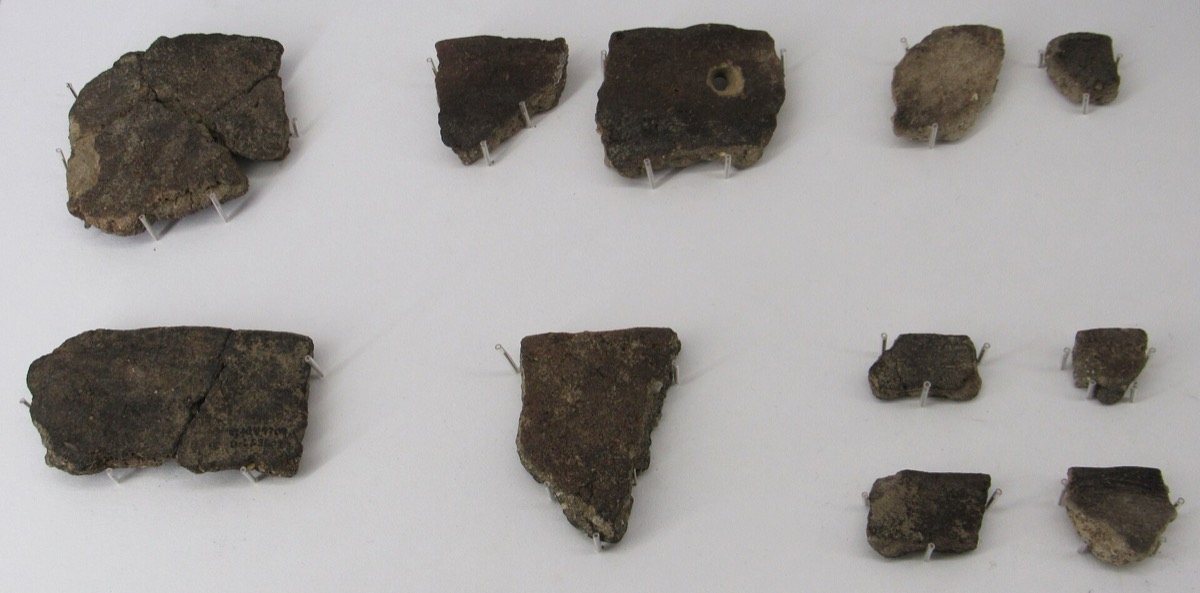 What cooked in the clay pots of hunter-gatherers in Japan for thousands of years?pottery
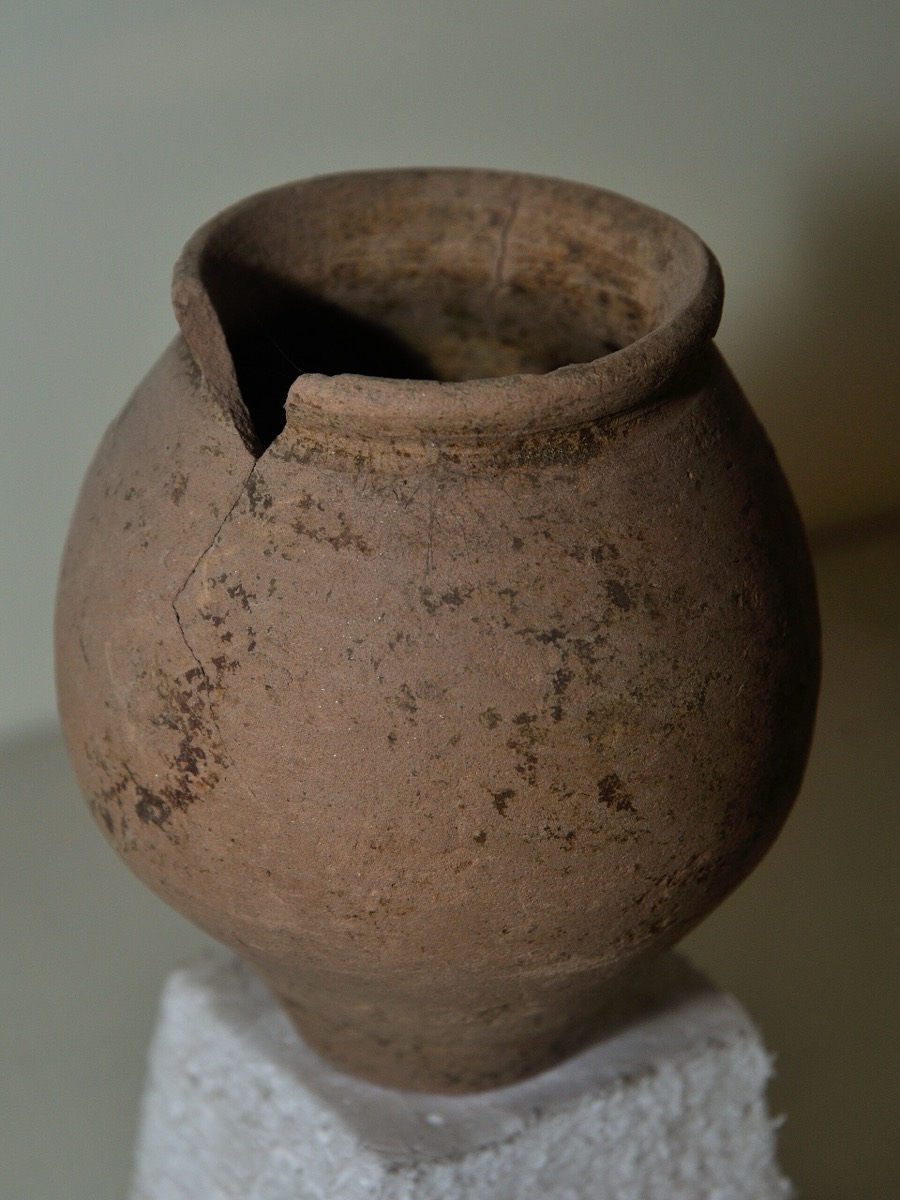 What can the walls of an ancient pot teach us about meals in the Indus cities?pottery
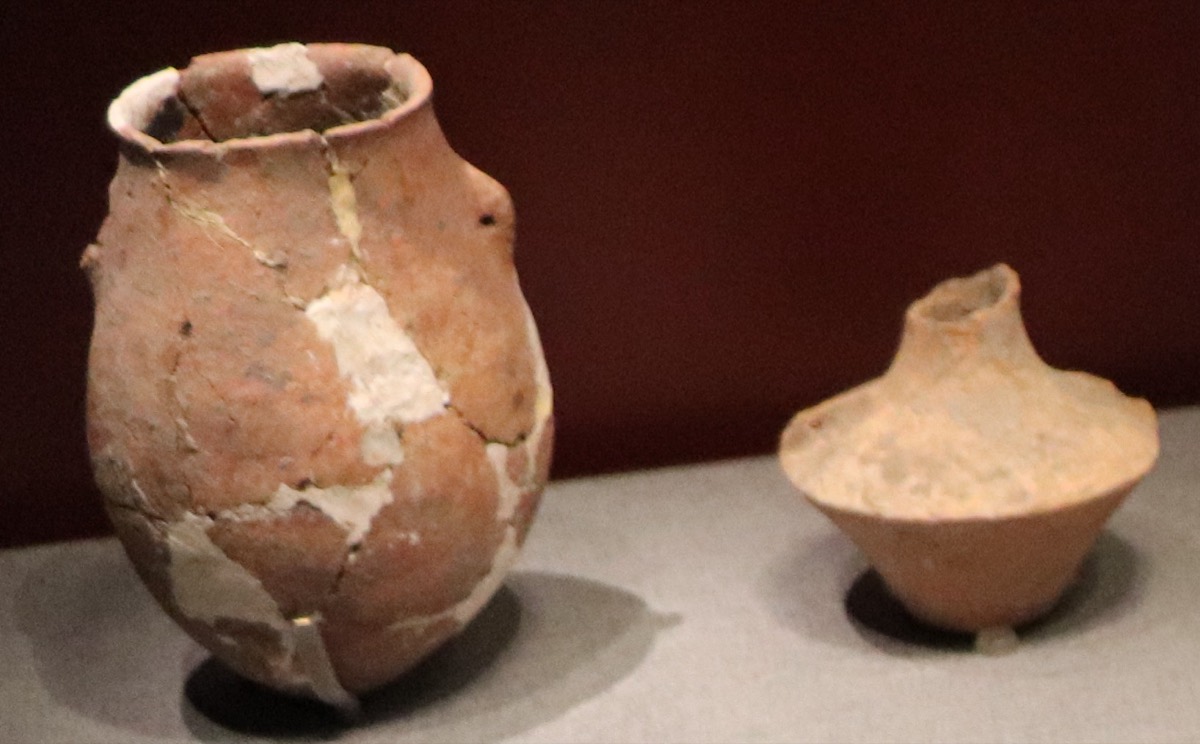 How do we know that early China made fermented drinks in two different ways?pottery