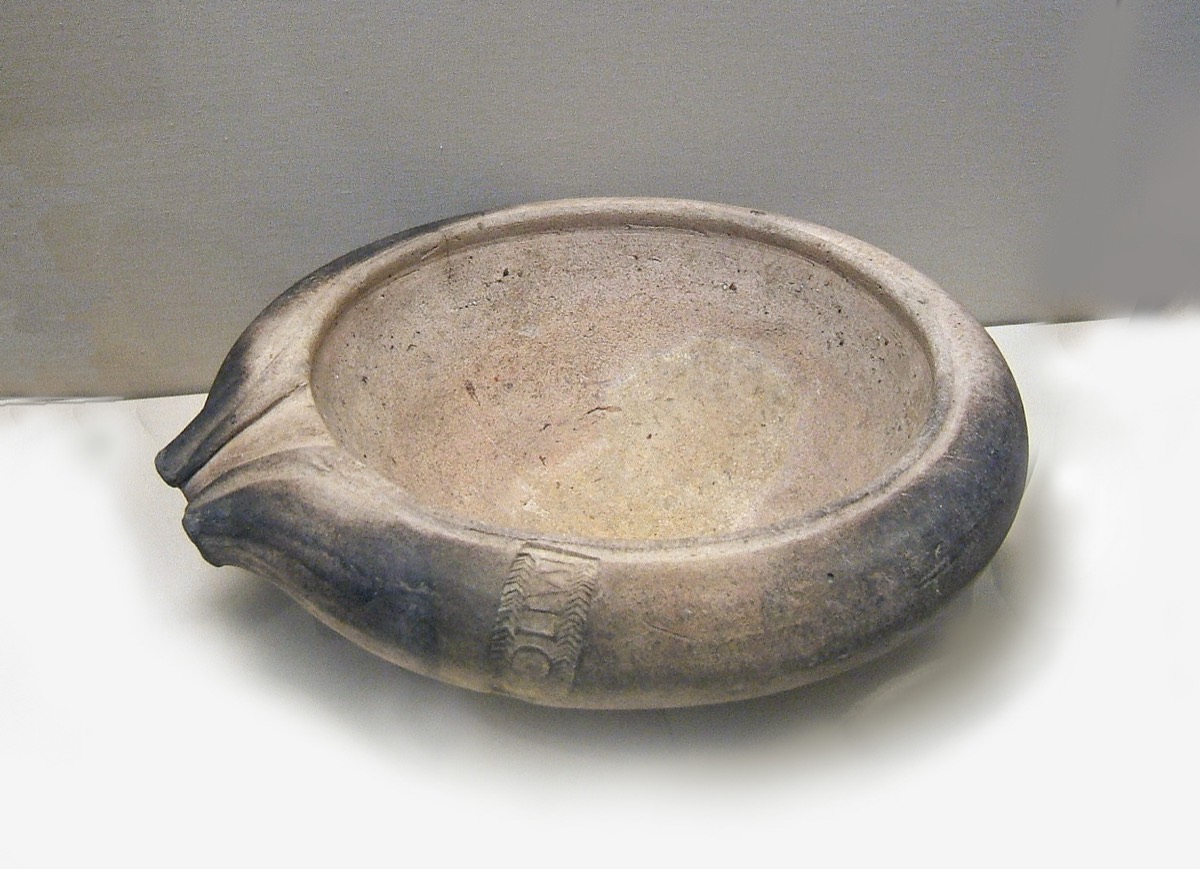
Cooking drives fats into the wall of an unglazed pot, where they can survive long after everything else has gone. That makes a broken vessel a record of what was cooked in it, which is a different kind of evidence from bones or seeds. Suryanarayan and colleagues took to Indus sites in northwest India, where the conditions are about as unhelpful as they get.
Enough to raise an argument with the bones. Despite low concentrations, seventy-one percent of the vessels yielded appreciable quantities of lipid, and the profiles showed animal fats. What they mostly showed was fats, with limited evidence of dairy processing, which contradicts the faunal evidence from the same settlements. Urban and rural populations appear to have processed similar products.
The method rests on a quiet piece of physics. Fats from food are absorbed into the porous wall of an unglazed ceramic vessel during cooking, and once inside they are protected from much of what would otherwise destroy them. Analyze them and you get evidence of what the pot was used for, rather than what happened to be discarded nearby.
The setting was chosen to be difficult. The team investigated what foodstuffs were used in ceramic vessels by Indus populations in northwest India, across urban and rural settlements of the period, roughly twenty-six hundred to nineteen hundred BC. They also asked whether vessel use changed into the Late Harappan period, during the climatic instability after about twenty-one hundred BC.
The yields came in low and still sufficed. Lipid concentrations highlight the challenges of residue analysis in arid, seasonally wet and environments, yet seventy-one percent of the vessels gave appreciable quantities of lipid. The profiles revealed animal fats, and, contrary to the faunal evidence from these sites, a dominance of non-ruminant fats with only limited evidence of dairy processing.
The authors hold their conclusions loosely for a stated reason. The absence of local modern reference fats makes the dataset challenging to interpret, and plant products, or mixtures of plant and animal products, may have produced ambiguous fatty acid isotopic values. What does appear is that urban and rural populations processed similar types of products, with limited evidence of change from the urban to the post-urban period. They present the work as a demonstration that the method can do this at all in South Asia, and as a call for more of it.
wat. The pots and the animal bones from the same villages tell different stories about dinner, and the pots are the newer witness.
wat wat
Two kinds of evidence from one site disagreeing is the useful outcome. Animal bones say what was present; the pots say what went into them, and the two questions are not the same.
How do we know?
Lipid residue analysis of pottery from multiple urban and rural Indus settlements, spanning the Mature Harappan period of about two thousand six hundred to nineteen hundred BC and the Late Harappan period after it.
What is still unknown
The authors are blunt about the difficulties. Lipid concentrations were low in these arid, seasonally wet and alkaline soils, there are no local modern reference fats to compare against, and plant products or mixtures may have produced ambiguous isotopic values.
Learn something?
Where to next
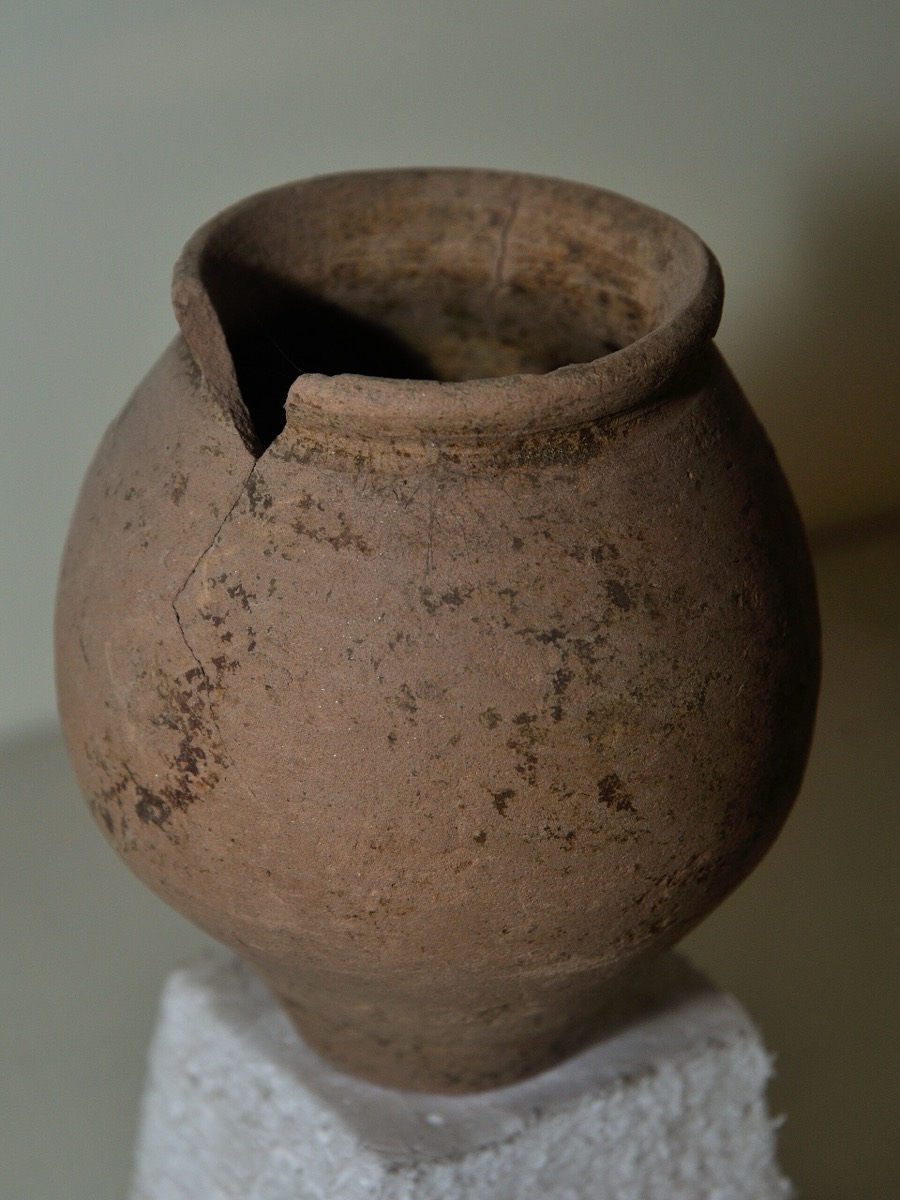 What can the walls of an ancient pot teach us about meals in the Indus cities?food
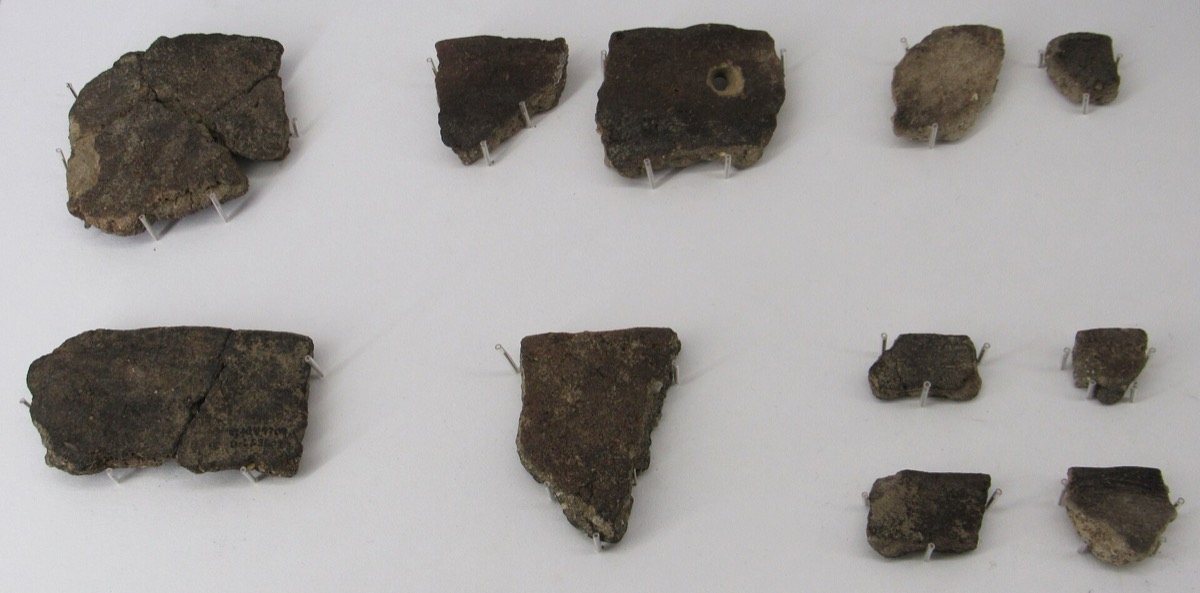 What cooked in the clay pots of hunter-gatherers in Japan for thousands of years?pottery
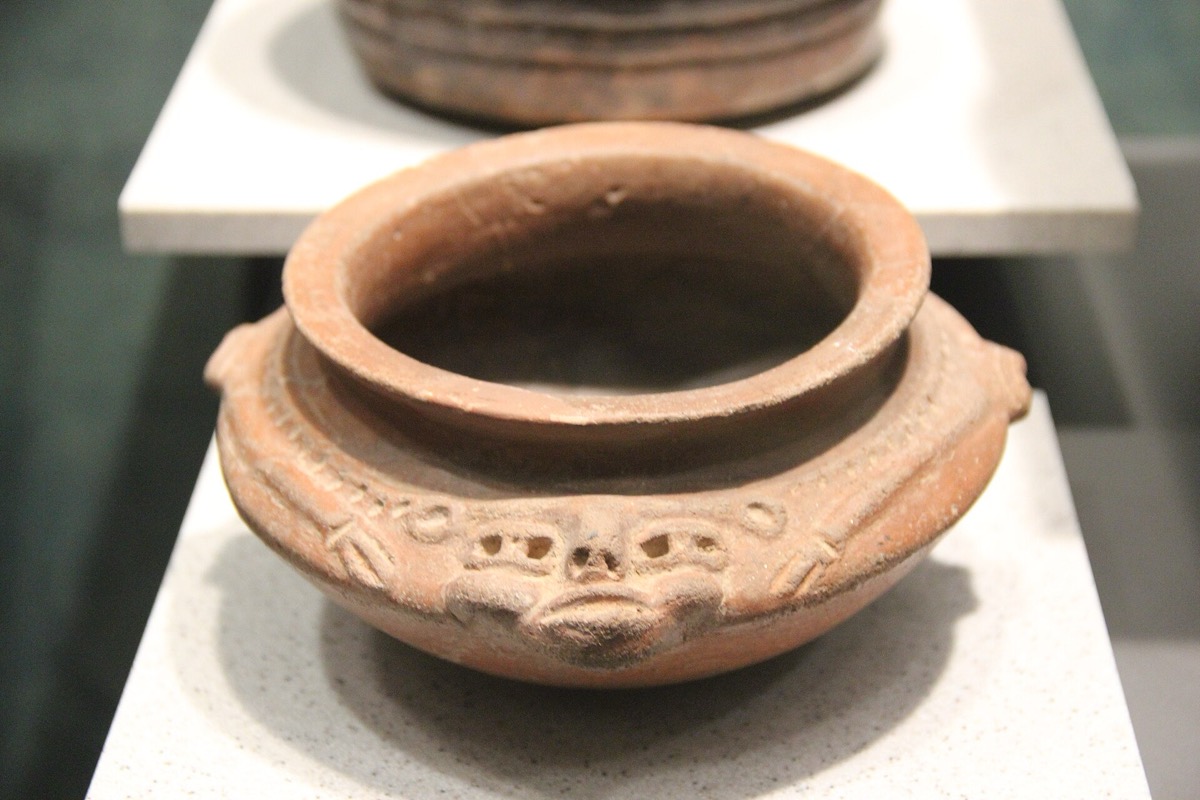 Could only the Maya nobility enjoy cacao?food