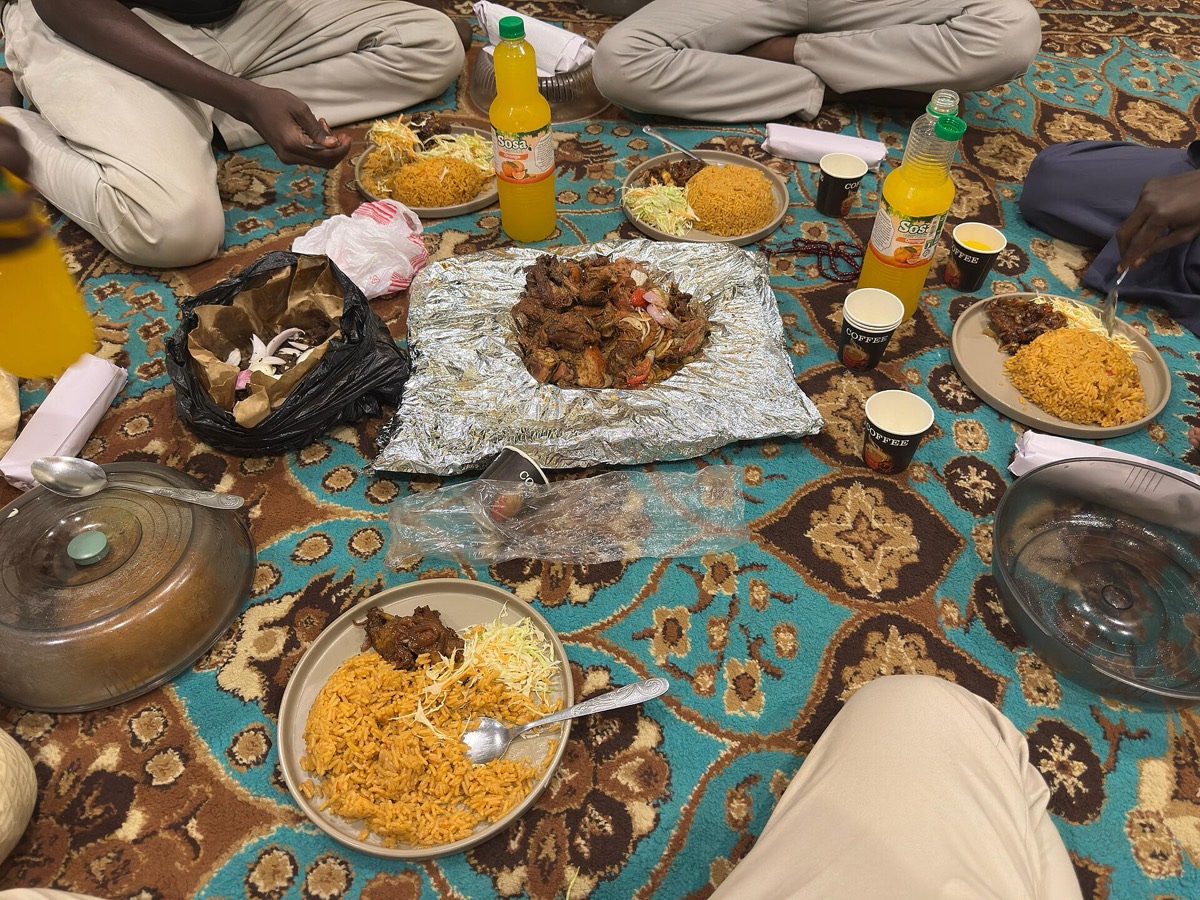
Muslims keep Iftar at sunset through , the ninth month of the lunar calendar, once the day’s religious and ceremonial rites are complete. The obvious reading is that it belongs to the people who fasted. UNESCO inscribed it in 2023 as something broader than that.
More people than fasted. People who do not necessarily fast during Ramadan keep the ceremonies and rituals related to Iftar too, and people of all ages, genders and backgrounds take part. For communities it often takes the form of gatherings or meals that promote charity, solidarity and .
Iftar, also called Eftari, İftar or Iftor in the countries that keep it, falls at sunset in the month of Ramadan, upon completion of all religious and ceremonial rites. It marks the daily termination of the hardships of fasting from dawn to sunset.
What follows the evening prayer is a programme rather than simply a meal. Activities include praying ceremonies, music, storytelling, games, preparing and serving traditional and local meals, and marriage arrangements.
The entry stresses who is included. People of all ages, genders and backgrounds take part, those who do not necessarily fast keep its ceremonies too, and for communities it takes the form of gatherings that strengthen family and community ties.
Transmission happens in the kitchen. The knowledge and skills pass within families through , observation and participation, with children and youth often entrusted with preparing components of traditional meals. Parents pass on the benefits of fasting and the social values of Iftar along the way.
wat. The fast is individual; the meal that ends it is not.
wat wat
What gets protected as heritage here is the gathering rather than the fast, which is a claim about where the meaning sits.
How do we know?
The nomination file inscribed on the UNESCO Representative List in 2023, submitted jointly by Azerbaijan, Iran, Türkiye and Uzbekistan, sets out who keeps it and how the knowledge passes on.
What is still unknown
A heritage inscription describes a living practice across four countries, not a survey of how any one family keeps it.
Learn something?
Where to next
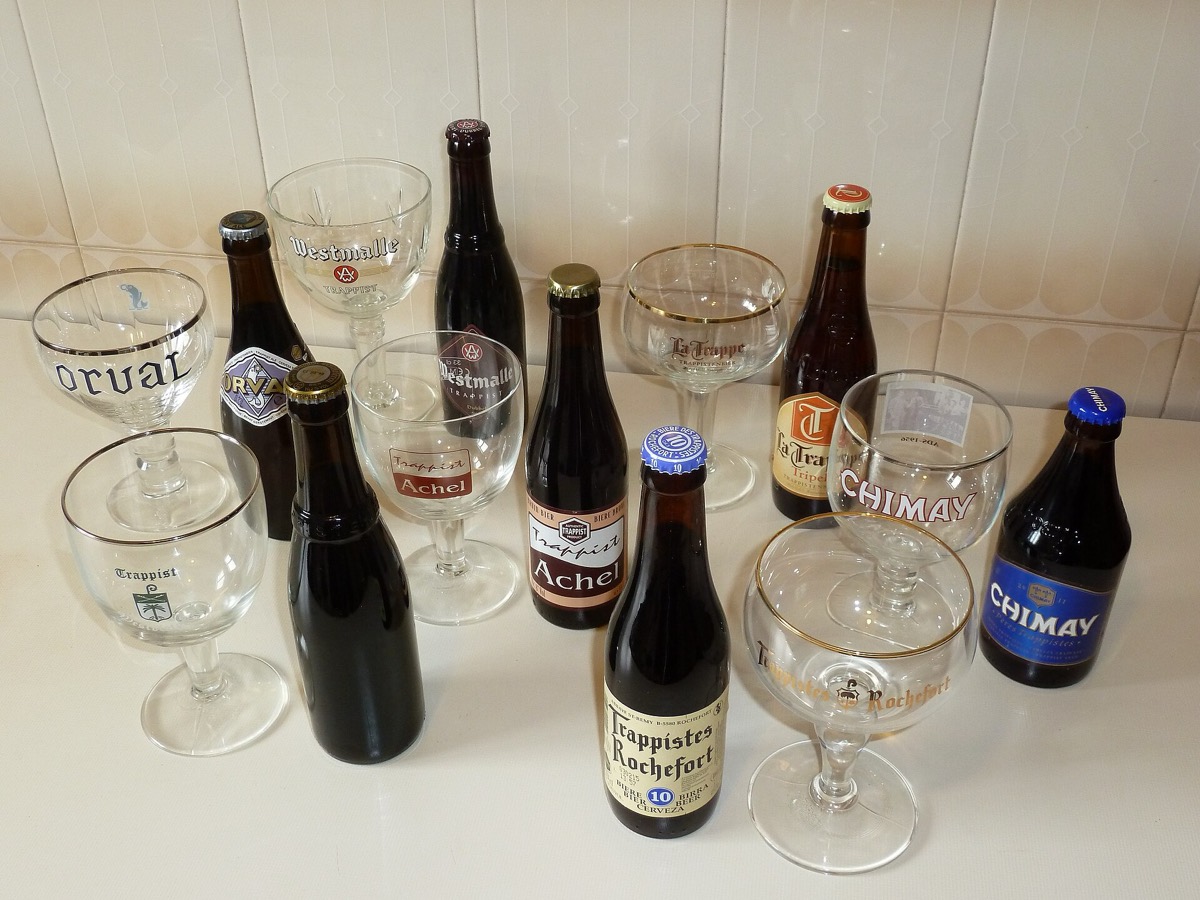 What makes a beer genuinely Trappist?food
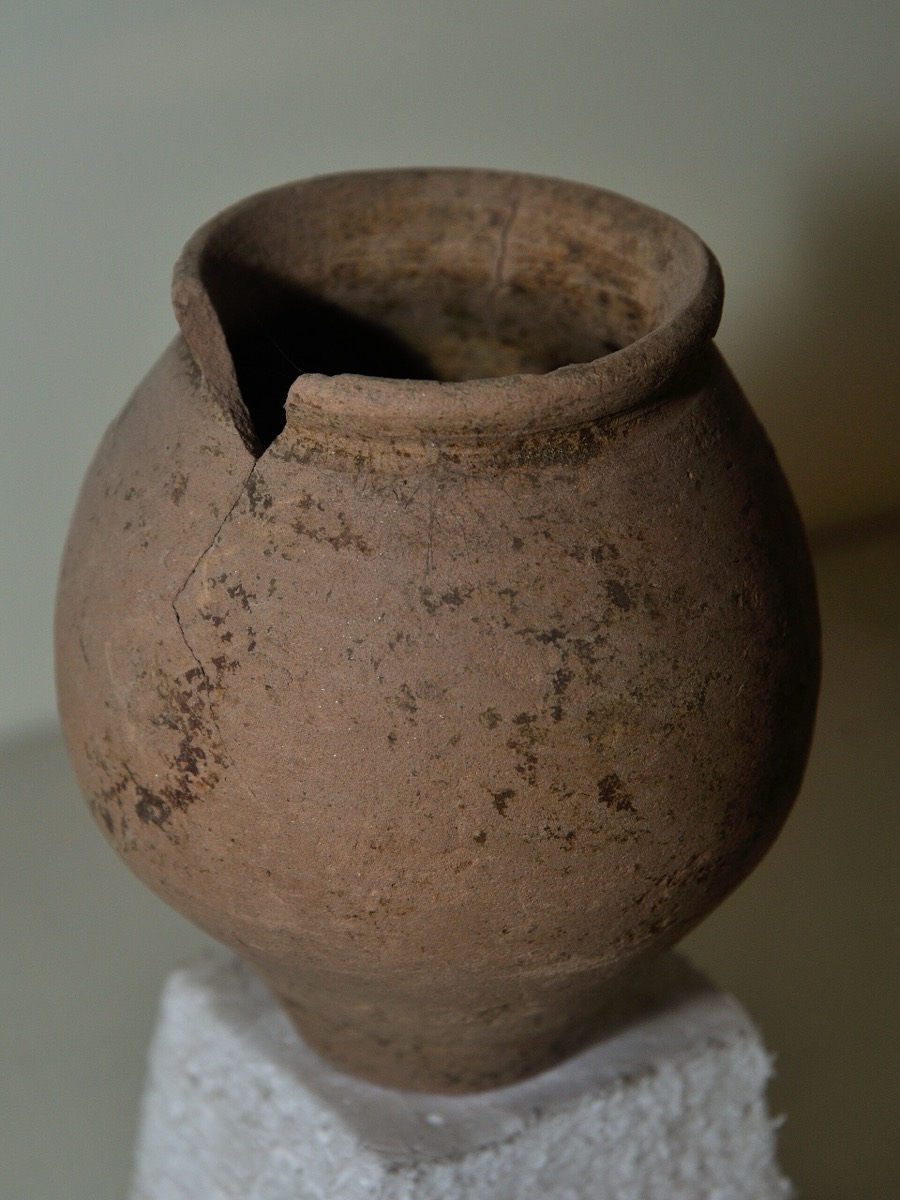 What can the walls of an ancient pot teach us about meals in the Indus cities?food
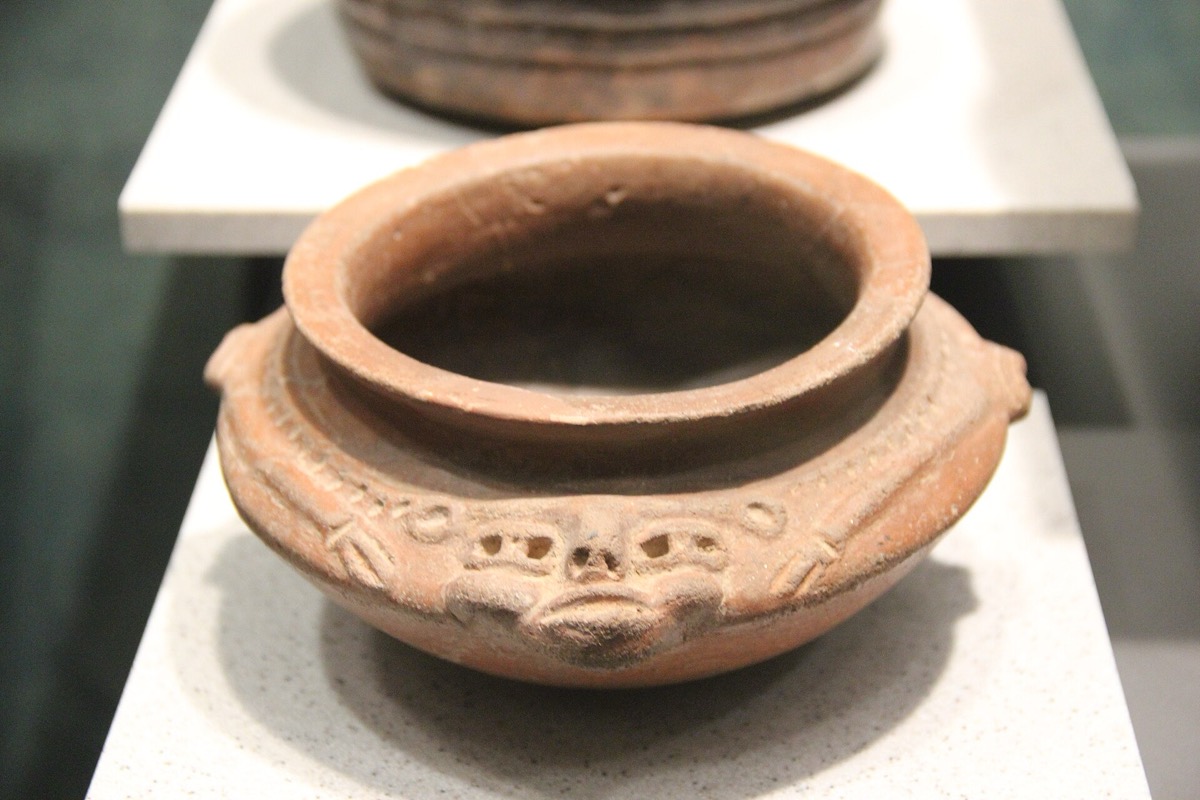 Could only the Maya nobility enjoy cacao?food