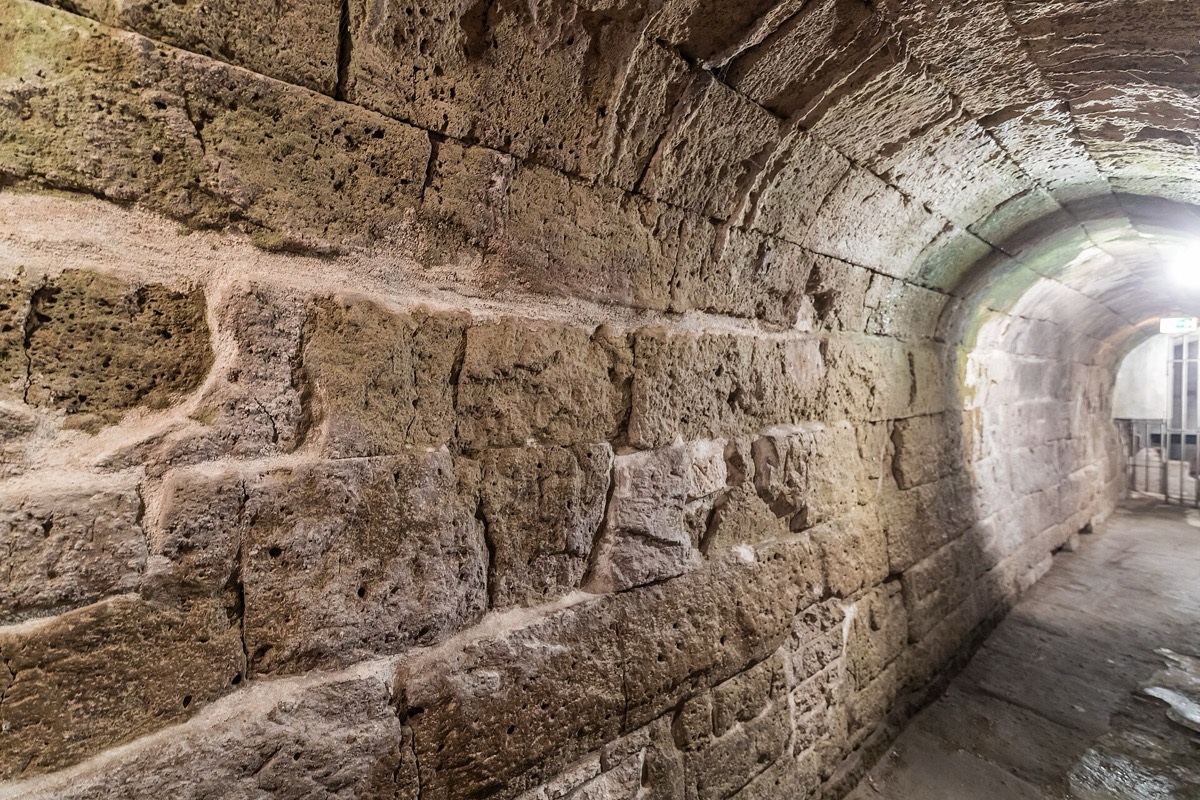
Writing about Roman food came from people who could afford to write, which skews the picture toward banquets. Beneath at Herculaneum runs a sewer, with relatively small apartments above it. What went down from those apartments is still there as remains. Erica Rowan worked through them. Who was eating what?
Varied and , in modest apartments. The remains from the Cardo V sewer show the people living above it eating a far wider range than their housing would suggest. Rowan compares that with the archaeobotanical evidence from Pompeii and sets it in the context of the regional food economy. Adding a , she argues that this variety developed in the last centuries BC.
Roman diet is usually reconstructed from texts, and the texts were written by people with the leisure to write them. That leaves the eating habits of ordinary urban households underrepresented, and over-represents the banquet. Material evidence is the corrective, and sewers are where it collects.
Beneath Cardo V at Herculaneum the sewer retained archaeobotanical remains from the apartments above it. Those apartments were relatively small, so the deposits belong to households of modest means rather than to a wealthy villa, which is what gives the assemblage its value as a sample.
What Rowan finds there is a varied and cosmopolitan diet. She compares the picture against the archaeobotanical evidence from Pompeii and places both in the wider context of the regional food economy, which turns one drain into evidence about how food moved through the region.
Then she adds time. The varied and cosmopolitan diet at both Pompeii and Herculaneum appears to have been a development of the last centuries BC; earlier, she argues, the diet was much more locally oriented. So the question stops being what Romans ate and becomes when their food supply changed, and why.
wat. The people in the small flats above the drain were eating better, and from further away, than anybody would have guessed.
wat wat
A sewer records what ordinary households actually ate rather than what anybody wrote down, which is the one category of evidence that is hard to flatter.
How do we know?
Erica Rowan’s chapter in The Economy of Pompeii works from the archaeobotanical remains in the sewer beneath Cardo V at Herculaneum, compared against the evidence from Pompeii.
What is still unknown
A single sewer under one street, in one town. What it shows is the diet of the apartments connected to it, and extending that to the region depends on the comparison with Pompeii.
Learn something?
Where to next
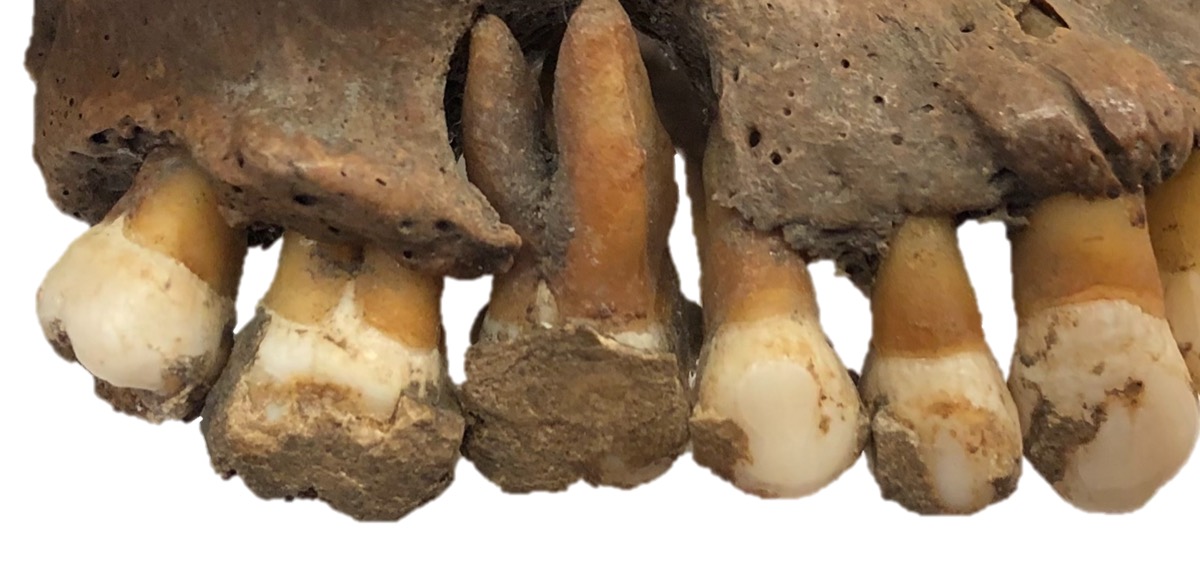 What did a meal from the past leave between the teeth?diet
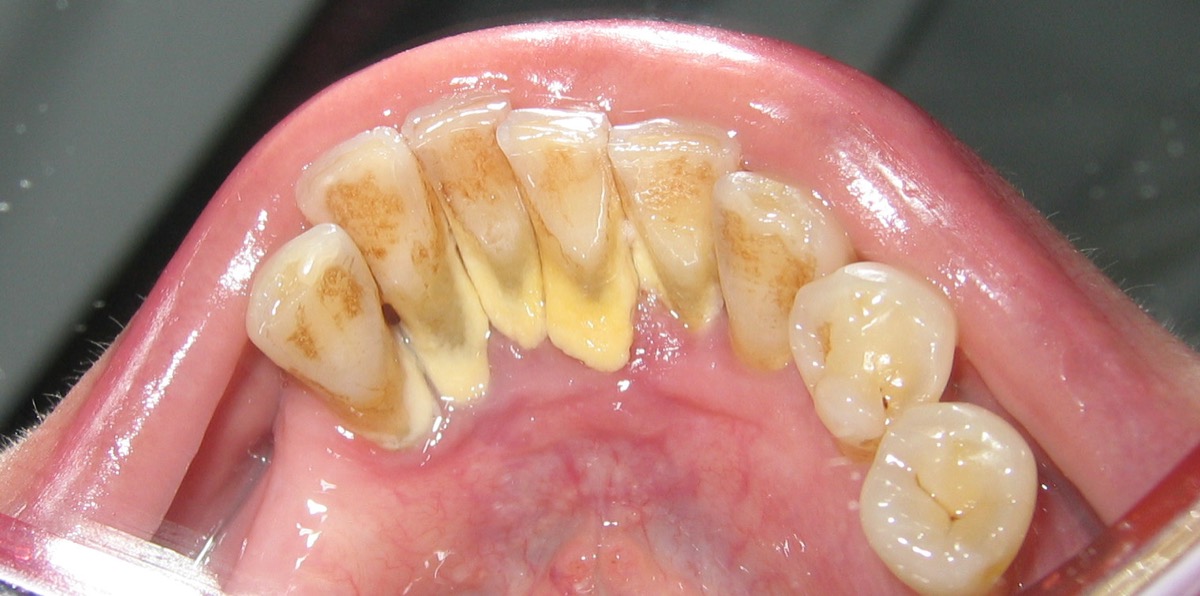 Can you tell what an ancient person ate from the DNA in their teeth?diet
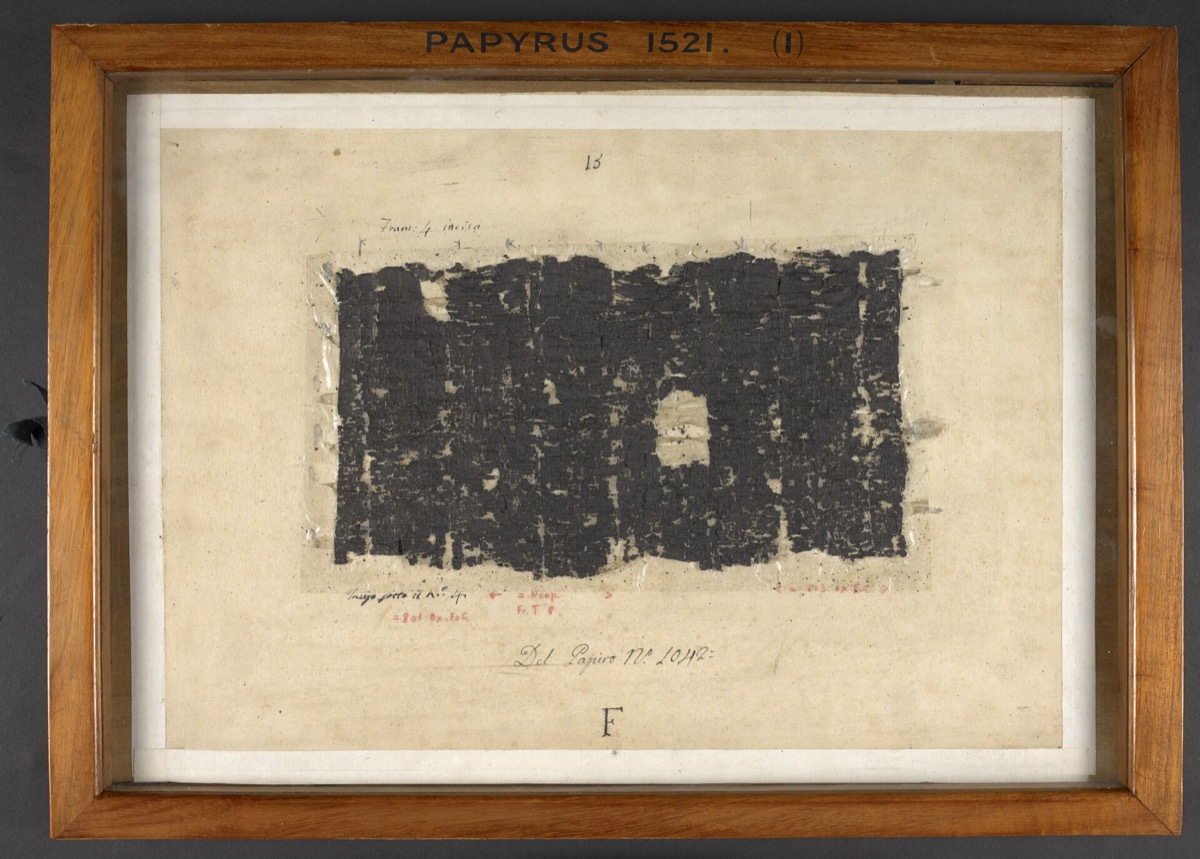 How do you read a scroll that turns to fragments if you open it?herculaneum