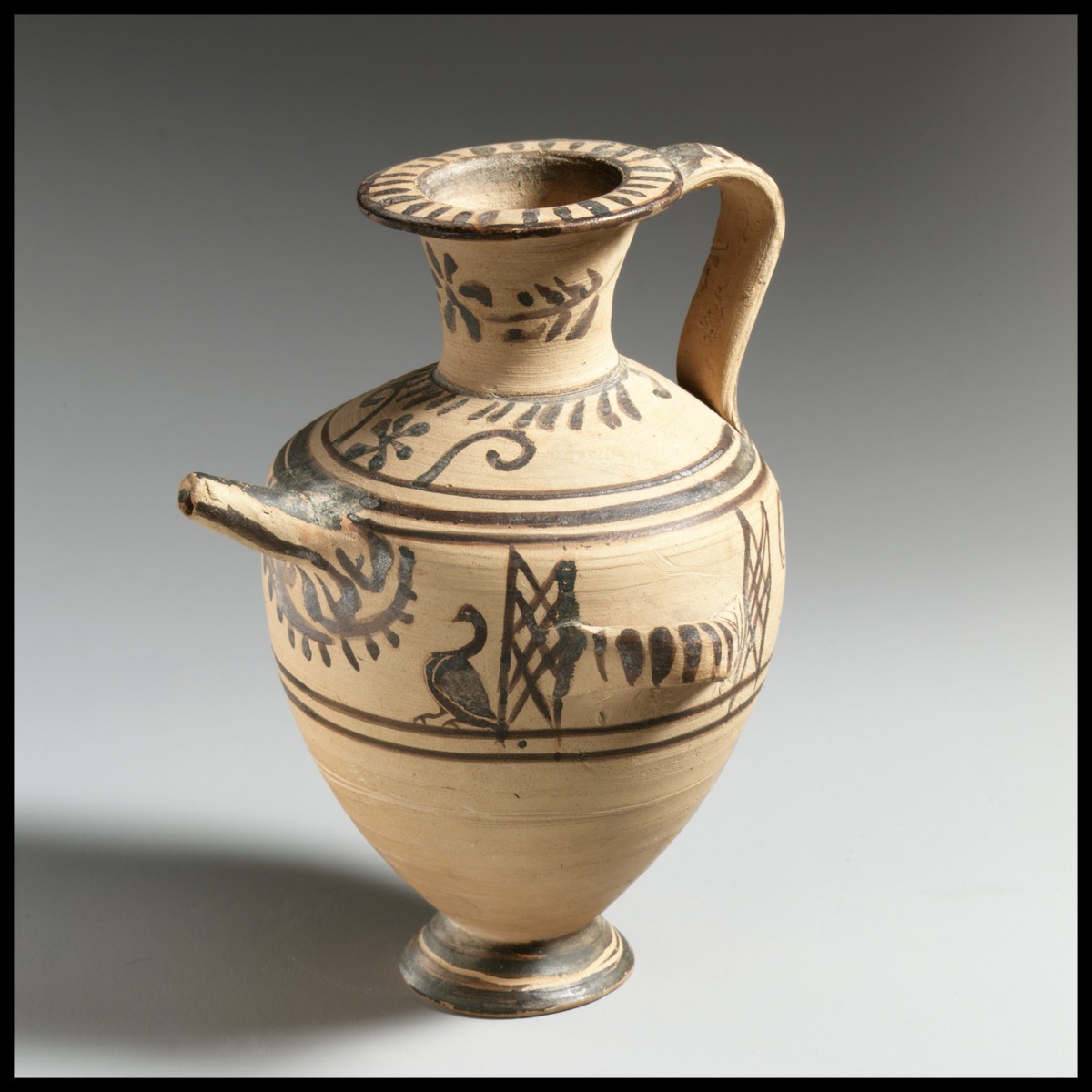
Everyday objects survive badly, and the things a household used most are usually the things archaeology sees least. A small vessel in the Met, 13.2 cm tall and probably made in in the 3rd century BCE, is catalogued as a . Its form is borrowed from somewhere unexpected.
A miniature water jar. The vase takes the form of a small , the type of vessel better known at full size from Hellenistic Crete and Egypt. The museum records that it may have been used as a feeding bottle for infants, which is a careful phrase for an object nobody watched in use.
The object is small and plain by museum standards. It is a terracotta vessel 13.2 cm high, about the length of a hand, and 8 cm across. The record gives it as Greek, 3rd century BCE, held in the Met’s Greek and Roman collection since 1971.
Its shape is the interesting part. The vase is in the form of a miniature Hadra hydria, a painted water jar type associated with Crete and with the Ptolemaic world, reproduced here at a size a hand can hold.
The function is given with care. The record says it was probably made in Crete and may have been used as a feeding bottle for infants, a phrasing that reports an inference rather than a certainty.
That caution is the point worth keeping. Infant feeding leaves little written trace in the ancient world, so the evidence is largely shapes and spouts, and a museum record that says may have been is being precise rather than vague.
wat. A baby bottle built in the shape of a water jar, five inches tall.
wat wat
Infant care leaves almost no written record, so the shape of a pot is much of what survives of it.
How do we know?
The Met’s collection record gives the form, the dimensions, the date, the probable place of manufacture and the hedge in its own words.
What is still unknown
The museum says may have been used, and a small spouted vessel can serve more than one purpose.
Learn something?
Where to next
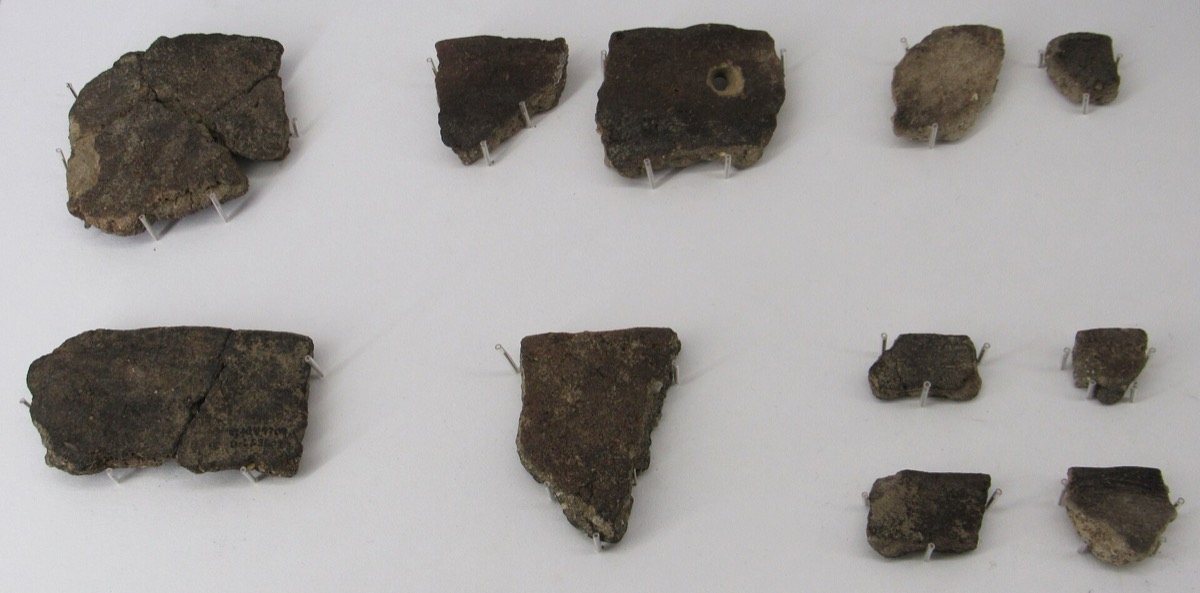 What cooked in the clay pots of hunter-gatherers in Japan for thousands of years?pottery
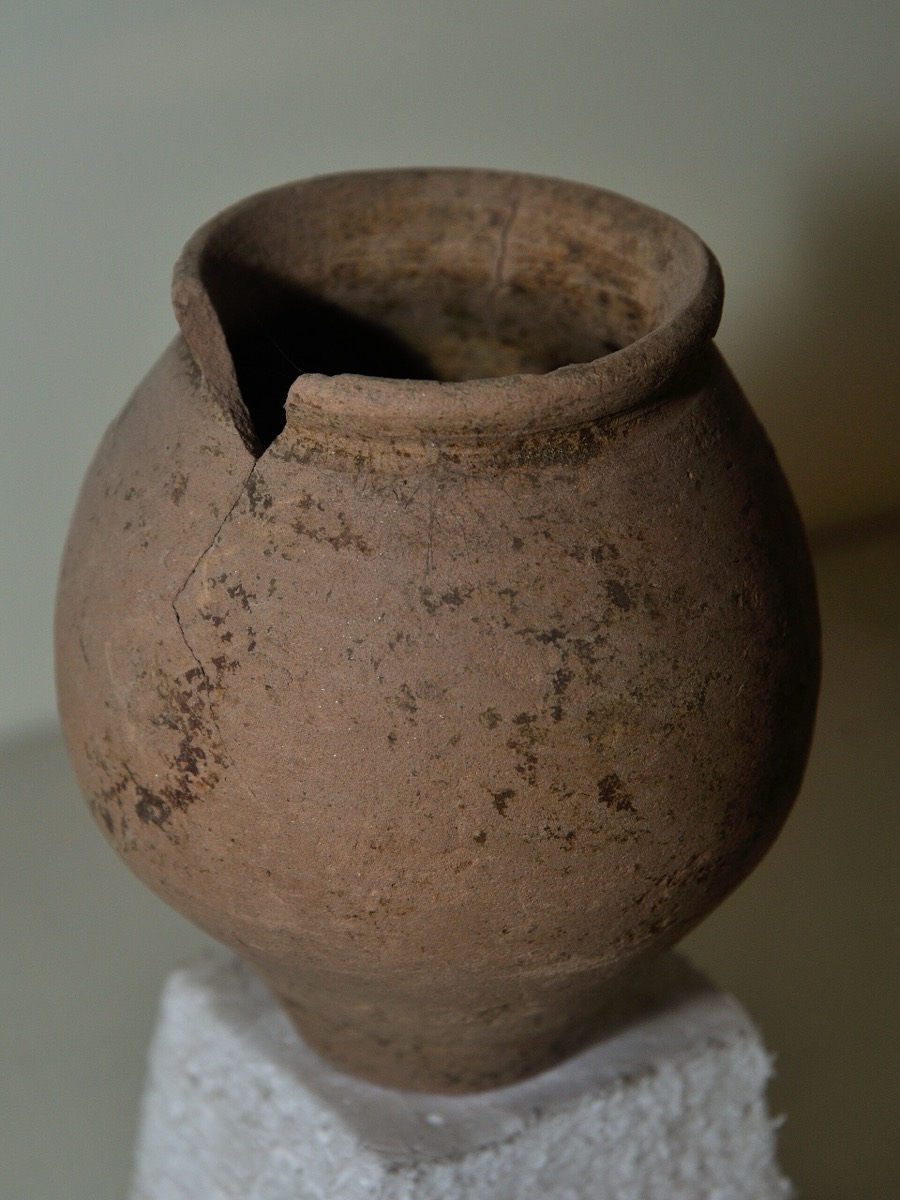 What can the walls of an ancient pot teach us about meals in the Indus cities?pottery
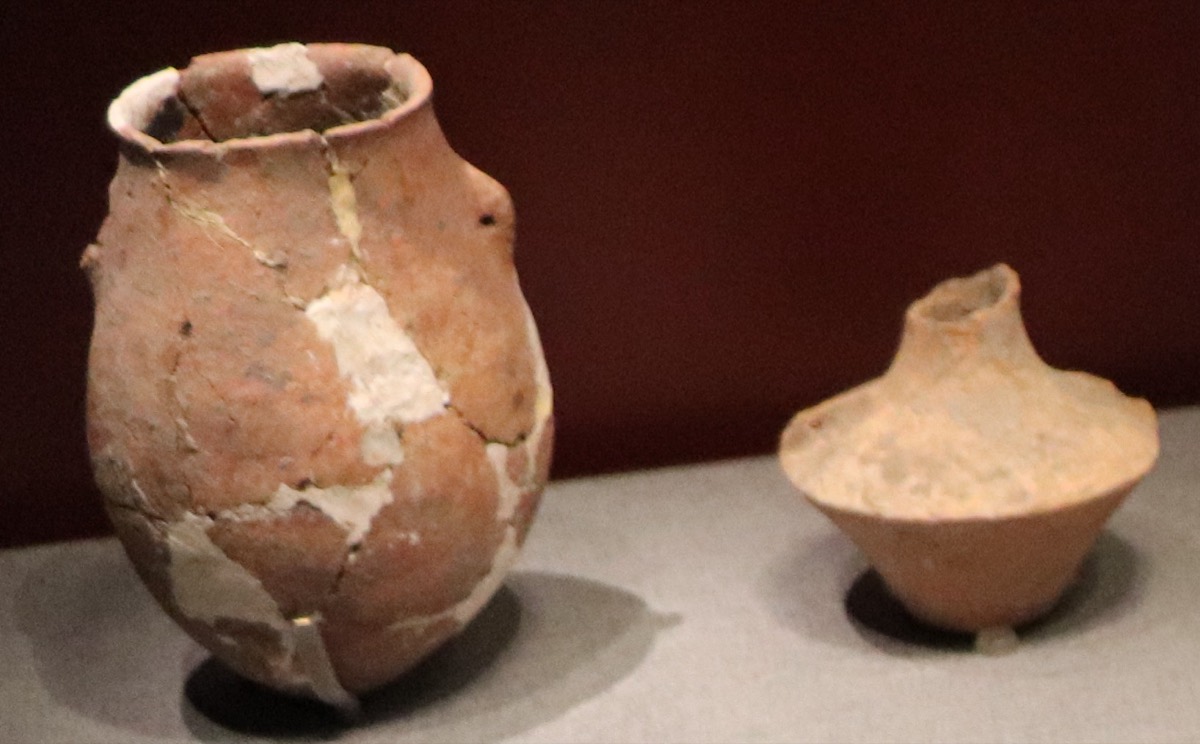 How do we know that early China made fermented drinks in two different ways?pottery