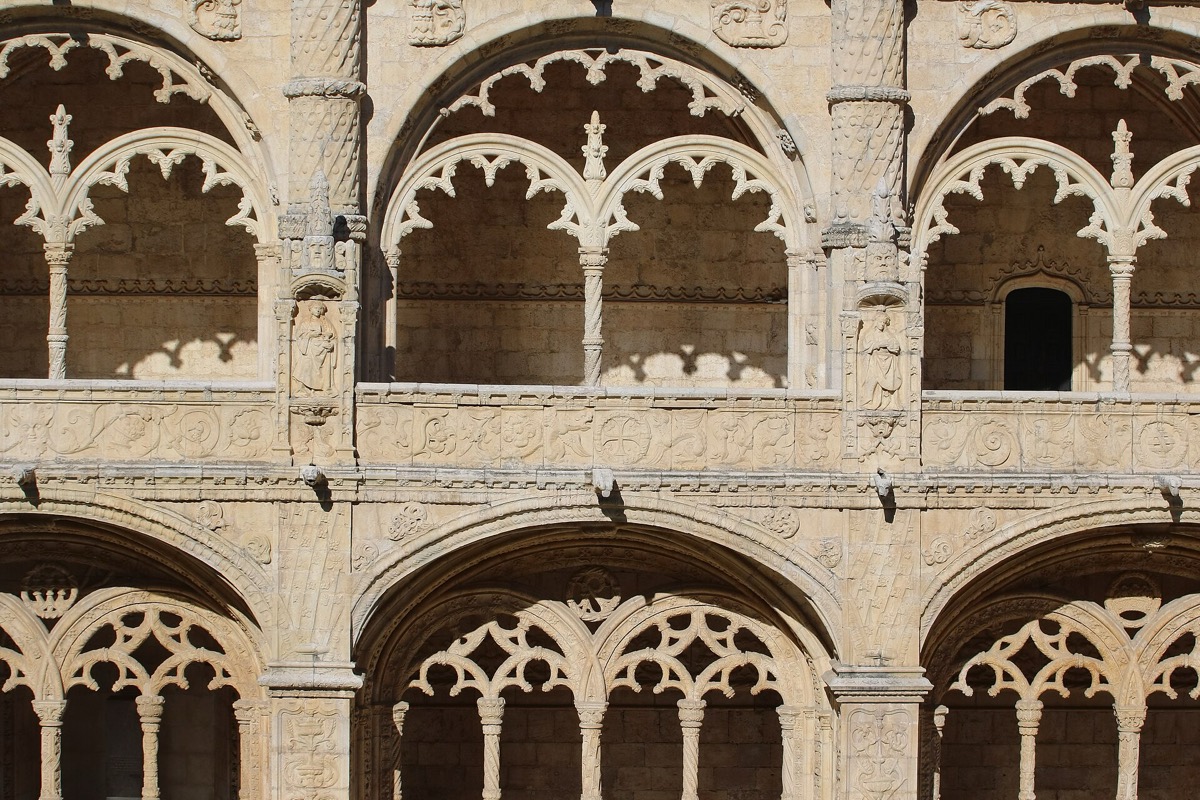
Only under an assumption no real arch satisfies. Lewis derives the shapes of rigid, two-pin, arches of constant cross-section, and recovers both classical answers, the parabola and the , as special cases. Each depends on an unrealistic load condition: the catenary assumes no load besides , and the parabola assumes no arch weight at all. The then fixes which shape a real design lands on.
The advance is including the arch’s own weight alongside the load it carries, for any span to rise ratio and any ratio of the two. That yields a general moment-less form rather than a special case. Compared against a parabolic arch of the same span to rise ratio under the same permanent load, the moment-less shape develops much lower stresses.
Robert Hooke gave the Royal Society the famous answer in the seventeenth century: hang a chain, invert the shape, and you have the ideal arch. The classical theory offers one alternative, the inverted parabola. Lewis’s paper asks what each of those answers actually assumes, and builds a model that does not need those assumptions.
The model predicts the geometric shapes of rigid, two-pin, moment-less arches of constant cross-section. Its advance is including the arch’s own weight, and working for any span to rise ratio and any ratio of uniformly distributed load per unit span to uniformly distributed arch weight per unit arch length. Those two quantities are what the classical forms each quietly set to zero.
Derived from the model, the parabola and the catenary turn up as the two expected special cases. Each rests on an unrealistic load assumption: no arch weight in the parabolic case, no carried load in the catenary case. The general case sits between them, and it is the one a real structure occupies.
The comparison that matters is under permanent loading. At the same span to rise ratio, with carried load twice the arch weight, the moment-less arch develops much lower stresses than its parabolic rival, even where the two geometries differ very little. At a medium span to rise ratio of four, the paper notes, the difference in shape would in practical terms be viewed as insignificant, while the stresses in them are different. One caution: this is an analytical model for constant cross-sections under uniform loads.
wat. The hanging chain is the right answer to a question about an arch carrying nothing but itself.
wat wat
Two shapes that look nearly identical can carry stress very differently. At a span to rise ratio of four, the difference in geometry would be dismissed as insignificant in practice, and the stresses are not.
How do we know?
A mathematical model predicts the geometry of moment-less arches from one ratio: distributed load per unit span against arch self weight per unit arch length. Lewis uses it to derive the classical forms, then a general case.
What is still unknown
An analytical model for rigid, two-pin arches of constant cross-section under uniformly distributed loads. Real bridges have varying sections, point loads and moving loads, none of which this covers.
Learn something?
Where to next
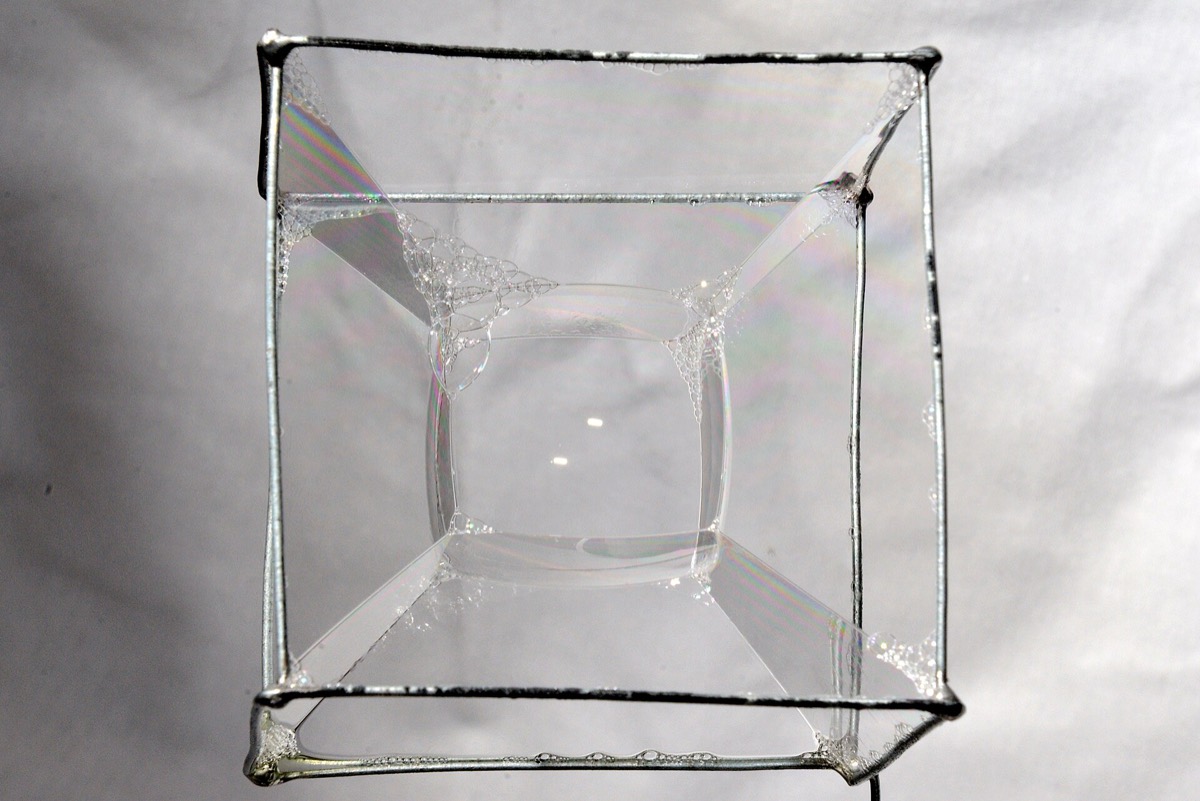 How does a thin film solve a geometry problem without calculating?geometry
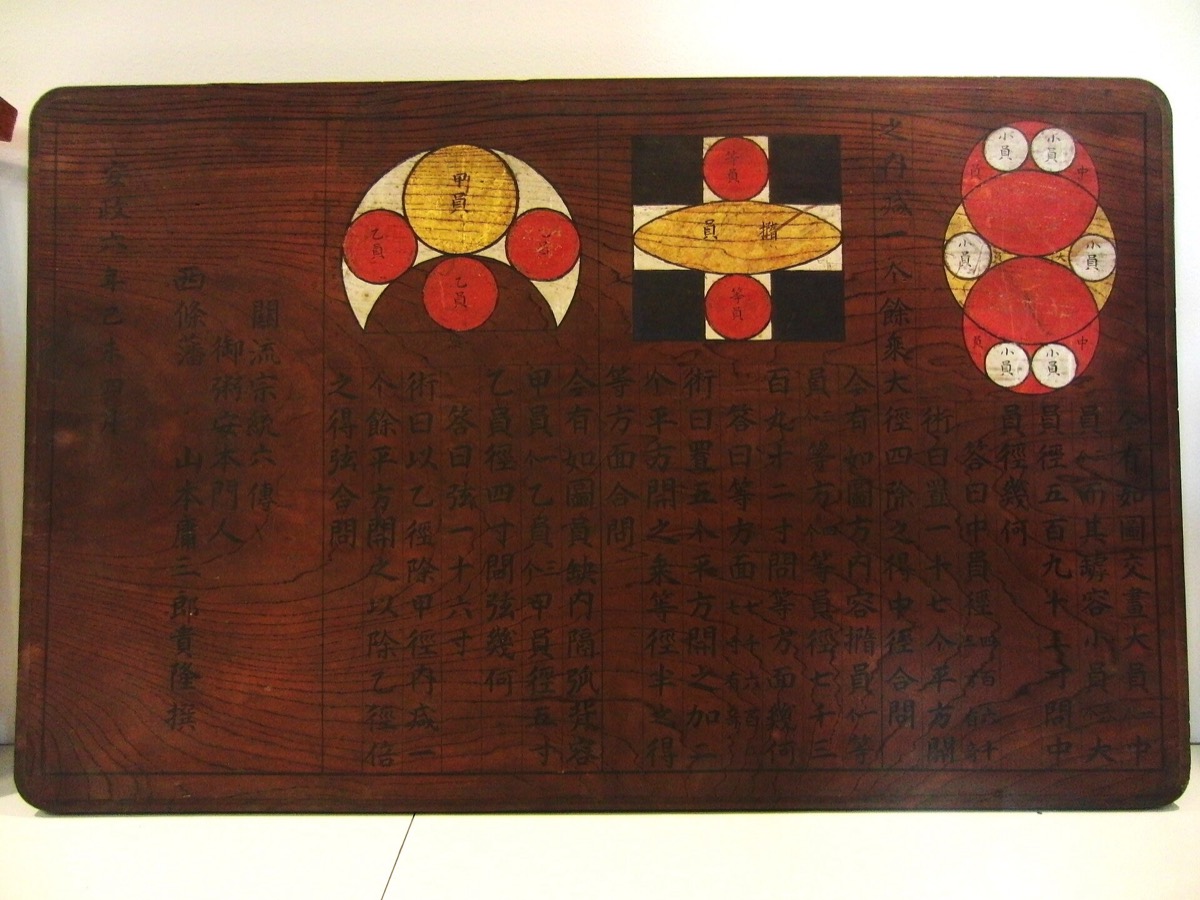 Why were geometry problems hung in temples in Japan?geometry
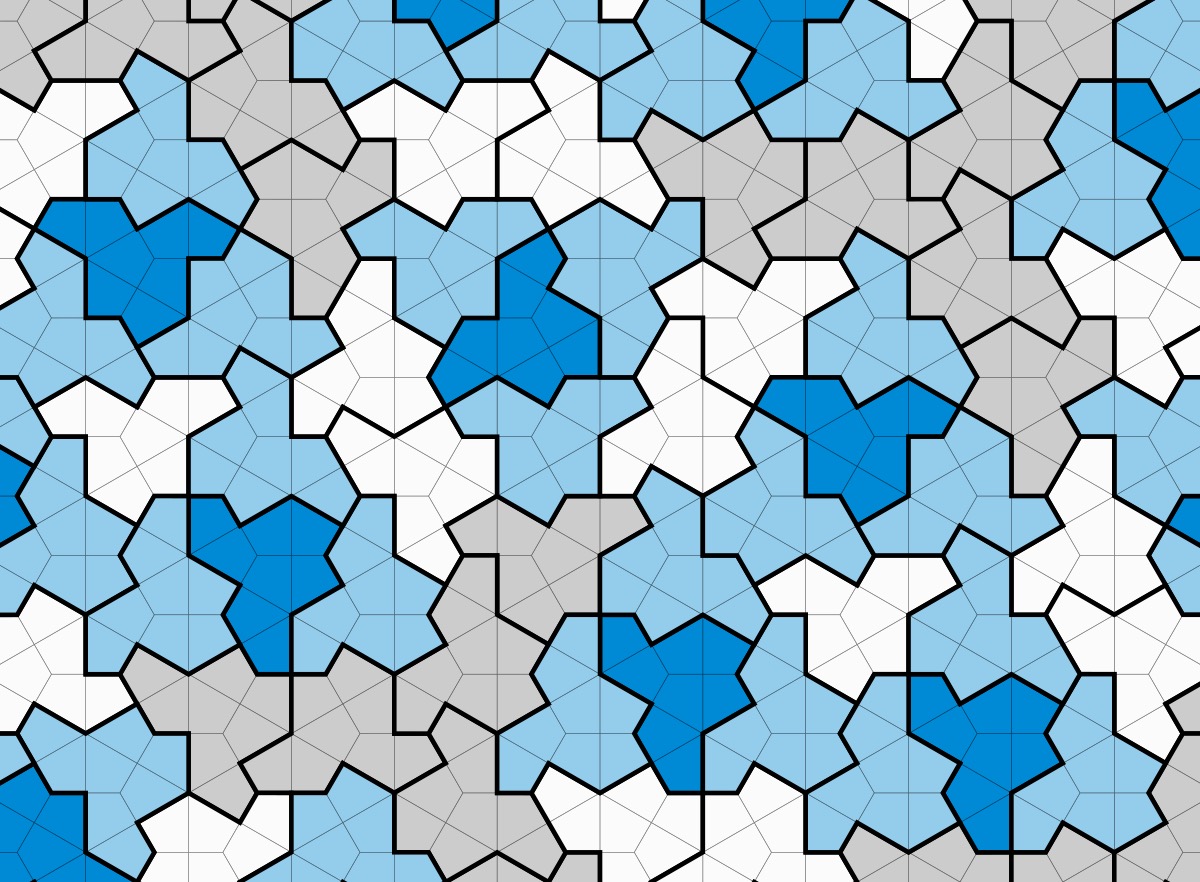 Can one shape tile a floor that never repeats?geometry