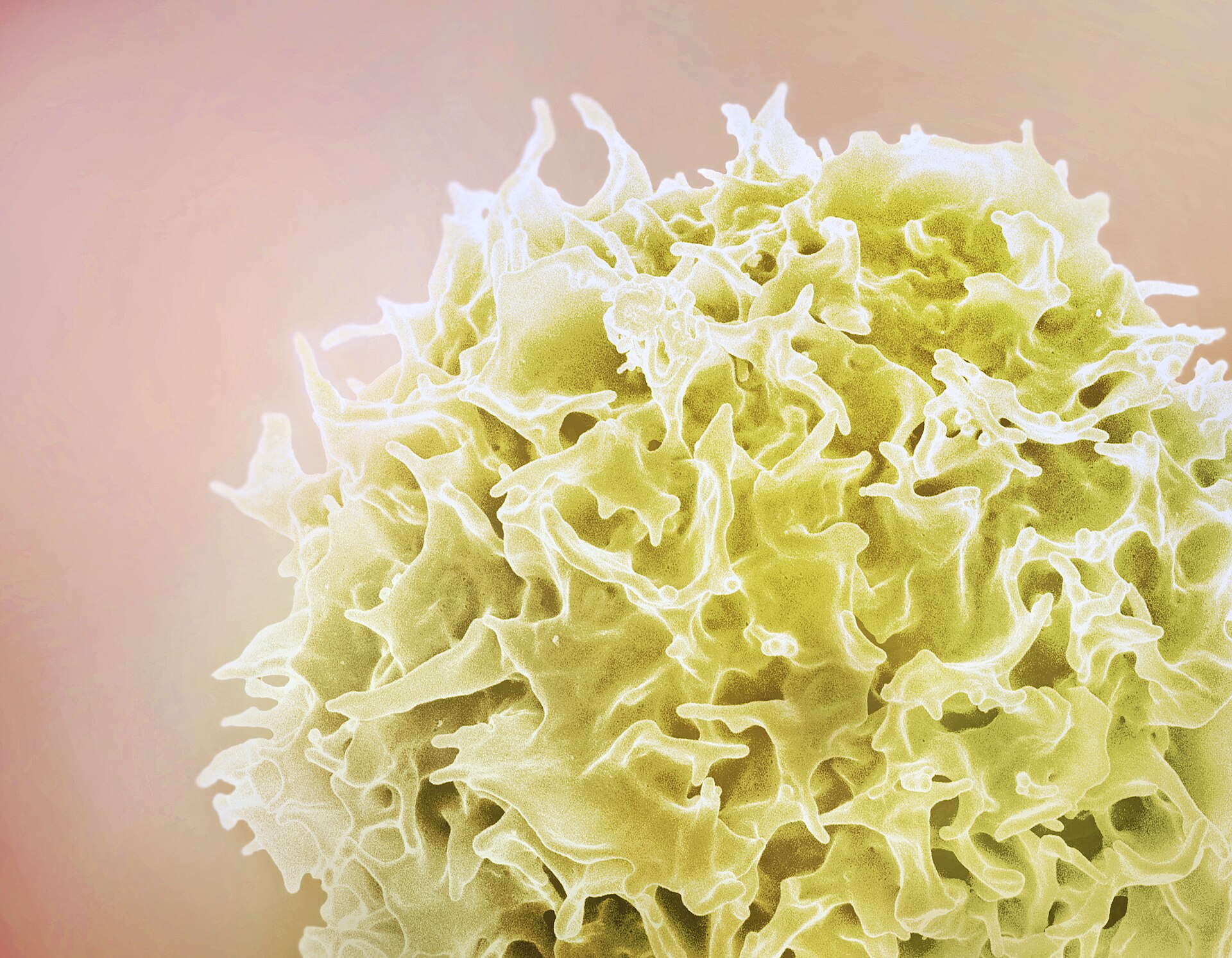
The immune system does not behave the same way everywhere in the body. In the gut it meets food and bacteria without pause, so cells maturing there are schooled into an unusually restrained response. Then cells like those were found next to the nervous system. What are they doing there?
Carrying their training with them. In mice, cells turned up beside the nervous system, and changing the bacterial population in the gut changed inflammation measures in the brain. That suggests a route along by which the state of the gut alters the immune response in the brain, without claiming that any diet is a neurological treatment.
The immune system does not behave the same way everywhere in the body. In the gut it meets food proteins and bacteria that must not be attacked, so cells maturing there are calibrated toward a restrained response.
The interesting question is what happens when such a cell leaves. In mice, cells schooled in the gut were found beside the nervous system as well, which is to say the calibration acquired in the gut travels with them.
The researchers altered the bacterial population in the gut and measured inflammation in the brain, and also tracked markers of the cells themselves. It is the comparison between groups that makes it possible to ask whether the cells mediate the effect, rather than the two merely moving together.
is particularly dangerous, because the tissue does not regenerate, so cells that arrive there and damp it down are of real interest for research into inflammatory nerve disease. All of this is , and the exact route and its importance in people are not established.
wat. An immune cell that learned its job in a mouse’s gut can end up affecting inflammation in the brain.
wat wat
The gut-brain axis may offer new directions for research into inflammatory diseases of the nervous system.
How do we know?
The researchers tracked markers of the immune cells, altered the bacterial population in the gut, and measured inflammation in the nervous system. Comparisons between groups of mice let them ask whether the cells themselves mediate the effect.
What is still unknown
This is animal work, and the exact route and its importance in people are not established.
Learn something?
Where to next
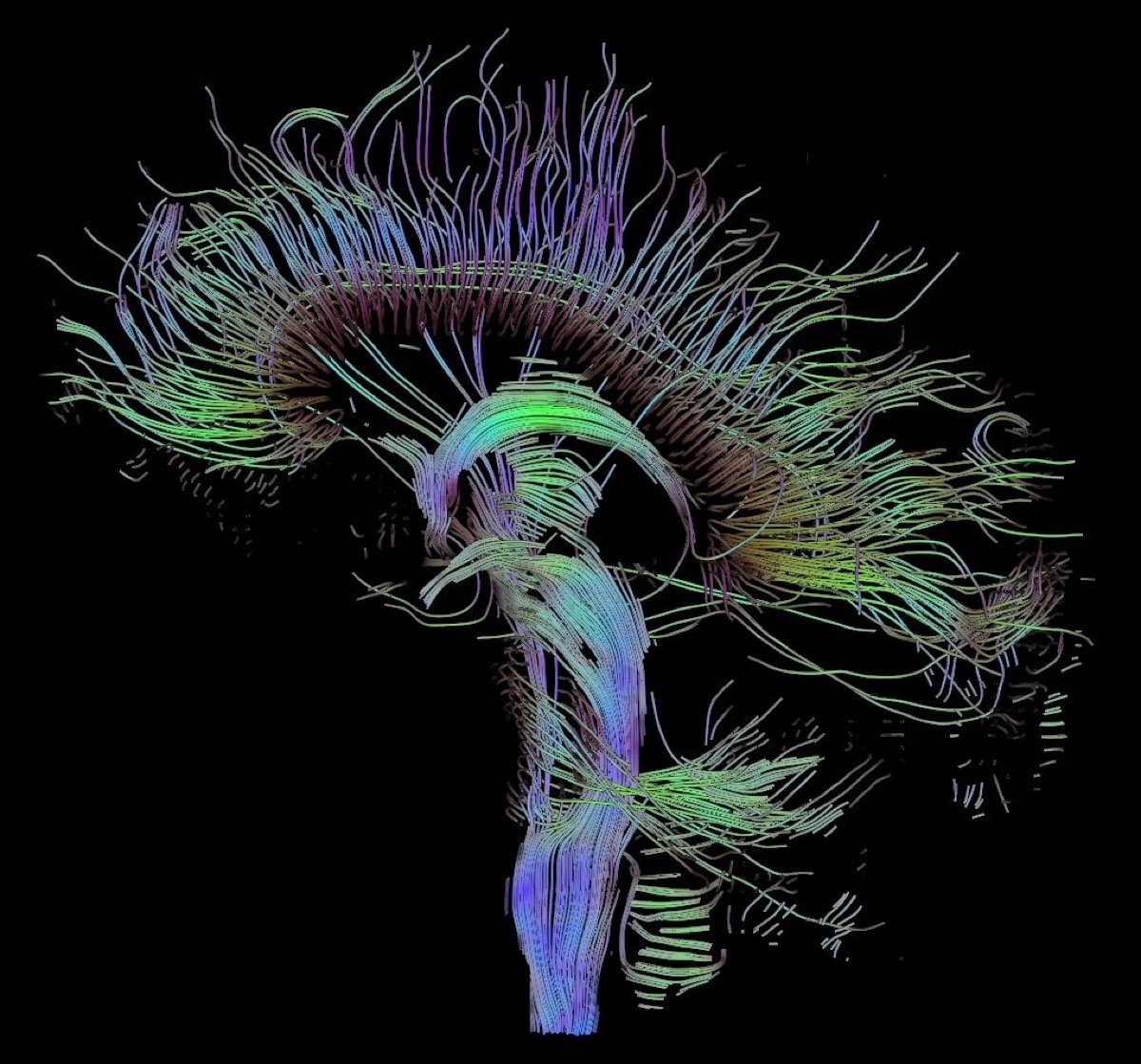 What does the brain do at night that it cannot get done by day?brain
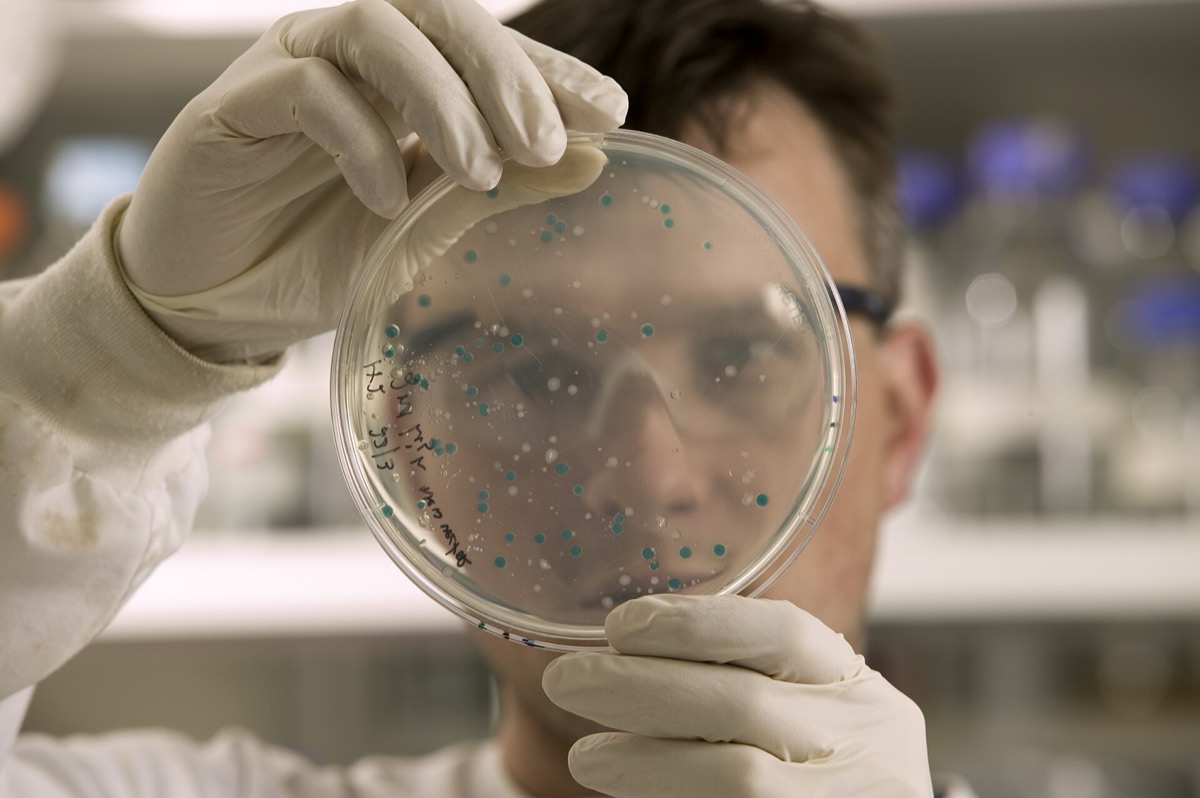 How do bacteria in a mouse’s gut change the way it behaves?gutWhat happens to a mouse raised with no gut bacteria at all?gut