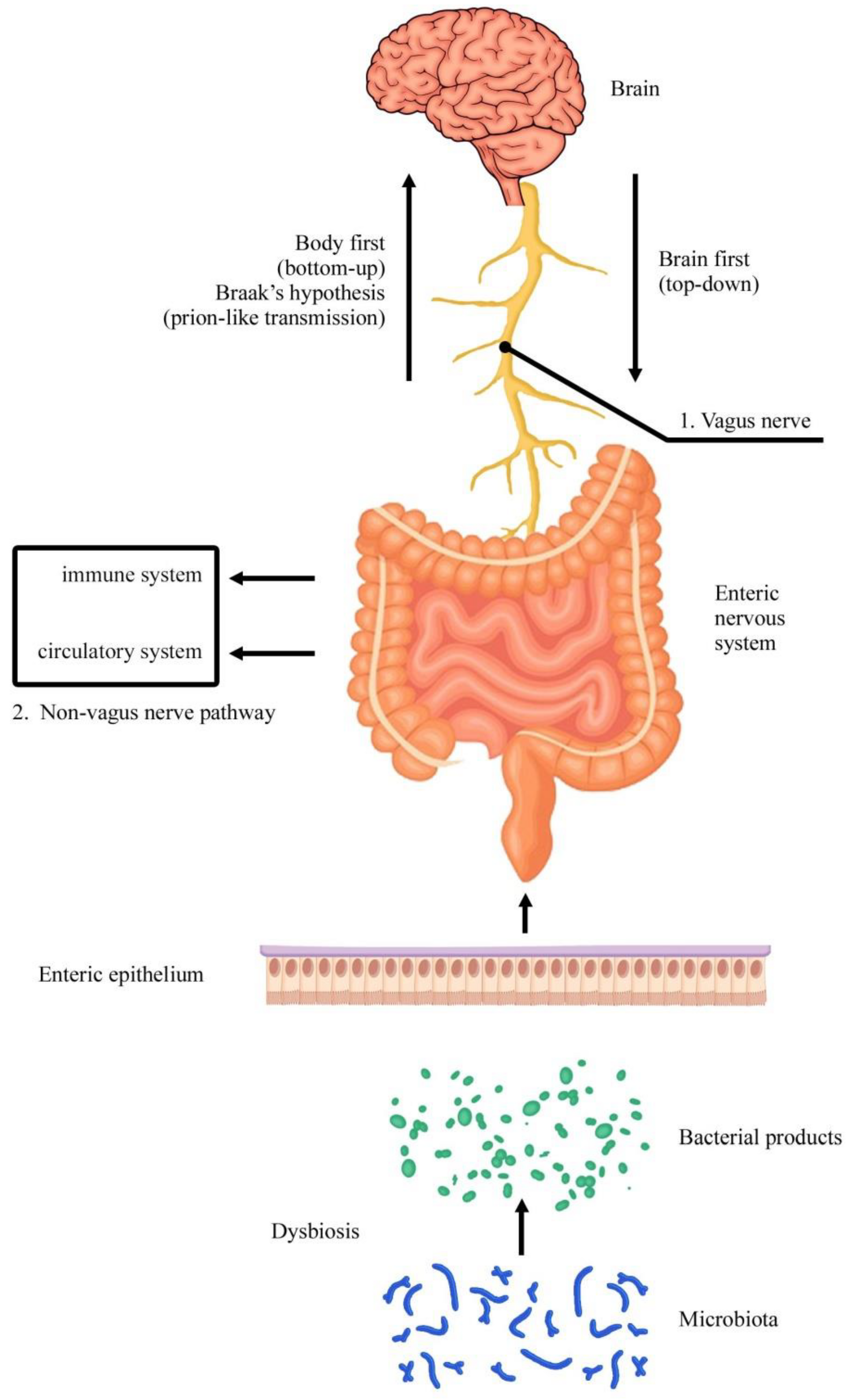
Plexuses of nerve and sensory cells are set along the wall of the digestive tract, detecting stretch and chemical composition and driving muscles. They are wired to the brain through nerves and hormones, and how much they depend on it is another question. How independent is the gut really?
Independent enough to run itself. Hundreds of millions of nerve cells lie in the gut wall, a number close to the whole spinal cord, and many enteric circuits can organize reflexes on their own. An isolated length of gut in a laboratory, cut off from any central connection, still produces coordinated waves of contraction in response to stretch. Which is why the network is sometimes called , although it does not think and holds no personality.
The starting point is numerical. spreads hundreds of millions of nerve cells through the wall of the digestive tract, a number much like the whole spinal cord. This is not a branch of the brain but a network in its own right.
What it does is run complicated plumbing: detect stretch in the wall and the chemistry of the contents, drive the muscles at the right rhythm in , regulate secretions and direct local blood flow. All of that needs constant coordination, and the brain is simply not required for it.
The strong demonstration is that an isolated length of gut in a laboratory, cut off from every central connection, still produces coordinated waves of contraction in response to stretch. Which is to say the reflex is built entirely inside the wall.
The brain and the gut do talk over , through the vagus nerve and hormones, and most of the traffic actually runs upward. That also explains why psychological stress is felt in the belly at once, and why disorders of gut motility are sometimes tied to mental state. And one precision about the nickname: the second brain describes an independent nerve network, not thought or personality.
wat. A nerve circuit in the gut wall can sense stretch and move food along without waiting for a conscious command.
wat wat
The network helps make sense of disorders of gut motility and of the two-way link between digestion, stress and the brain.
How do we know?
Anatomy, electrical recording and tissue experiments show local nerve circuits producing coordinated responses even when the central connection is severed.
What is still unknown
The name "second brain" is a metaphor; working properly still depends on communication with the body and with the central nervous system.
Learn something?
Where to next
 How do bacteria in a mouse’s gut change the way it behaves?gutWhat happens to a mouse raised with no gut bacteria at all?gut
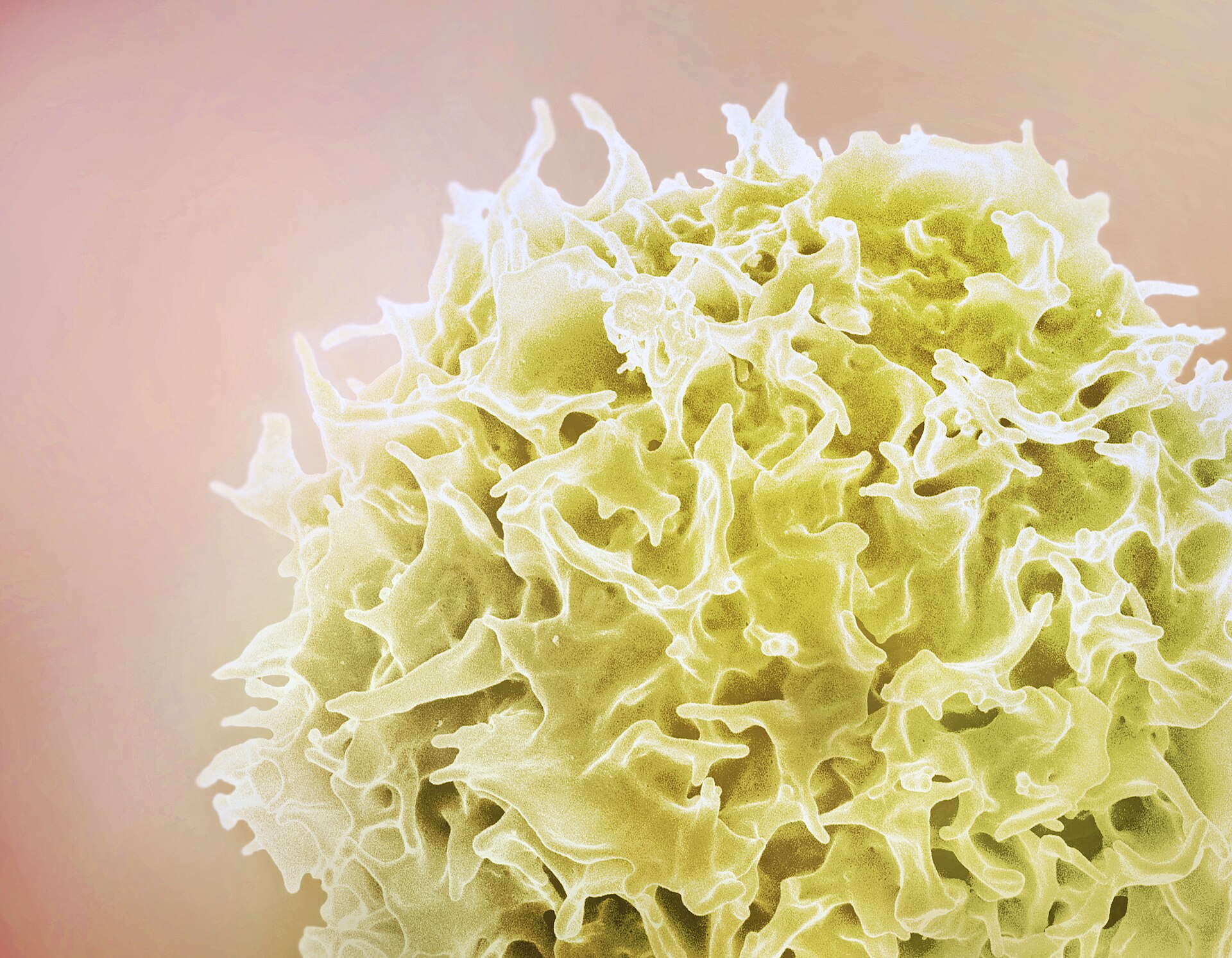 How do immune cells trained in the gut end up protecting the brain?gut