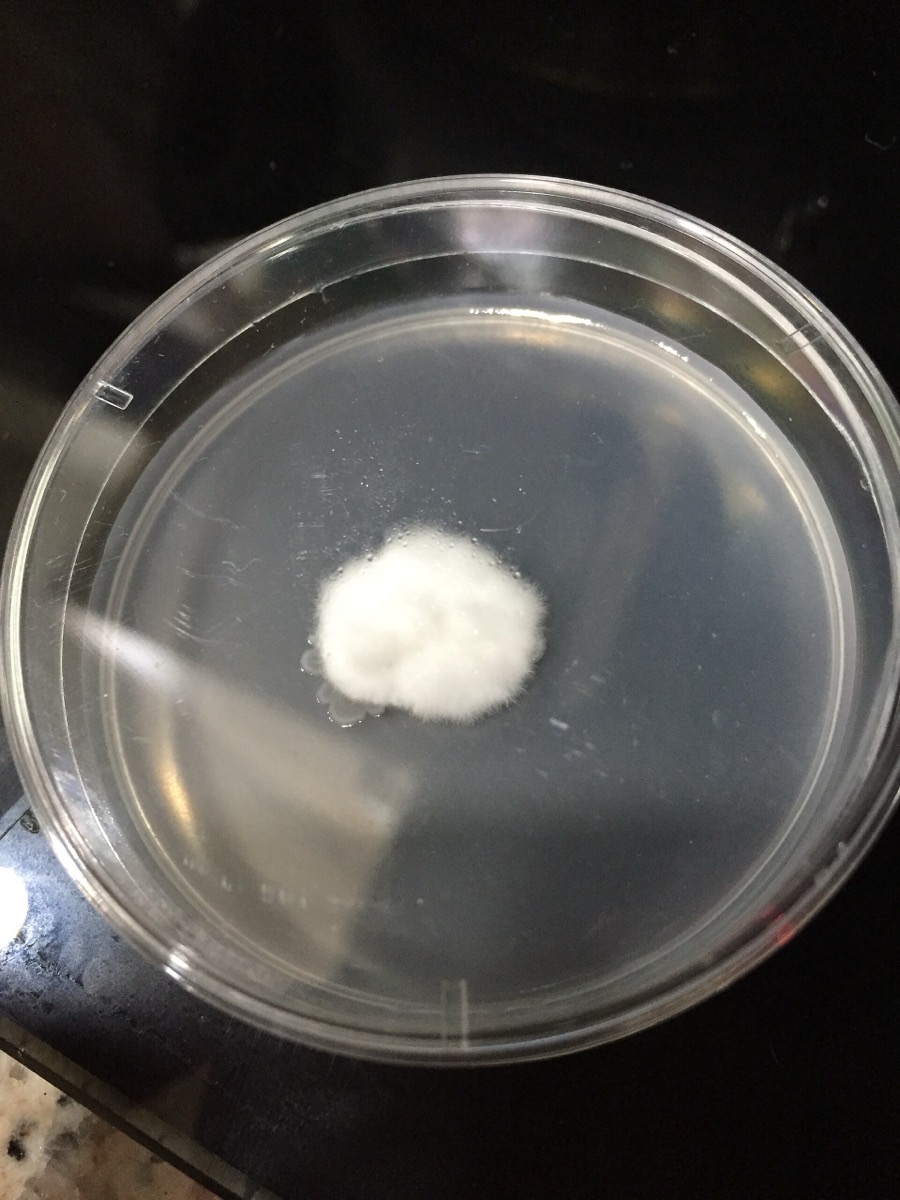
The gut microbiome is a community, and almost everything known about its effect on development concerns the bacteria. Fungi are there too, in far smaller numbers, and whether they contribute anything of their own was open. Telling the two apart needs an animal with neither.
They do, and partly on their own account. colonized with defined bacteria, fungi, or both show that fungal colonization promotes major shifts in bacterial microbiome ecology. It also has an independent effect on immune development in young mice, separate from anything the bacteria do.
The gut microbiome consists of a multi-kingdom microbial community. The role of bacteria as causal contributors governing host physiological development is well established, and the role of fungi remained to be determined.
Separating them requires a blank slate. The authors used germ-free mice colonized with defined species of bacteria, of fungi, or of both, which lets each contribution be attributed rather than inferred.
The outcomes measured are broad: , immune development, susceptibility to colitis, and airway inflammation. That range is what turns a question about residents into a question about consequences.
Fungal colonization promotes major shifts in bacterial microbiome ecology, and has an independent effect on innate and adaptive immune development in young mice. Independent is the load-bearing word, since it means the fungi are not simply acting through the bacteria.
wat. Fungi rearranged the bacteria and shaped the immune system separately from them.
wat wat
A kingdom that makes up a tiny share of the cells can still change what the rest of the community becomes.
How do we know?
Van Tilburg Bernardes and colleagues colonized germ-free mice with defined species of bacteria, of fungi, or of both, then compared microbiome assembly, immune development, susceptibility to colitis and airway inflammation.
What is still unknown
Germ-free mice colonized with defined species, which is a clean experiment and a simplified version of any real gut.
Learn something?
Where to next
 How do bacteria in a mouse’s gut change the way it behaves?microbiomeWhat happens to a mouse raised with no gut bacteria at all?microbiome
 How many bacteria are there really in your body per human cell?microbiome