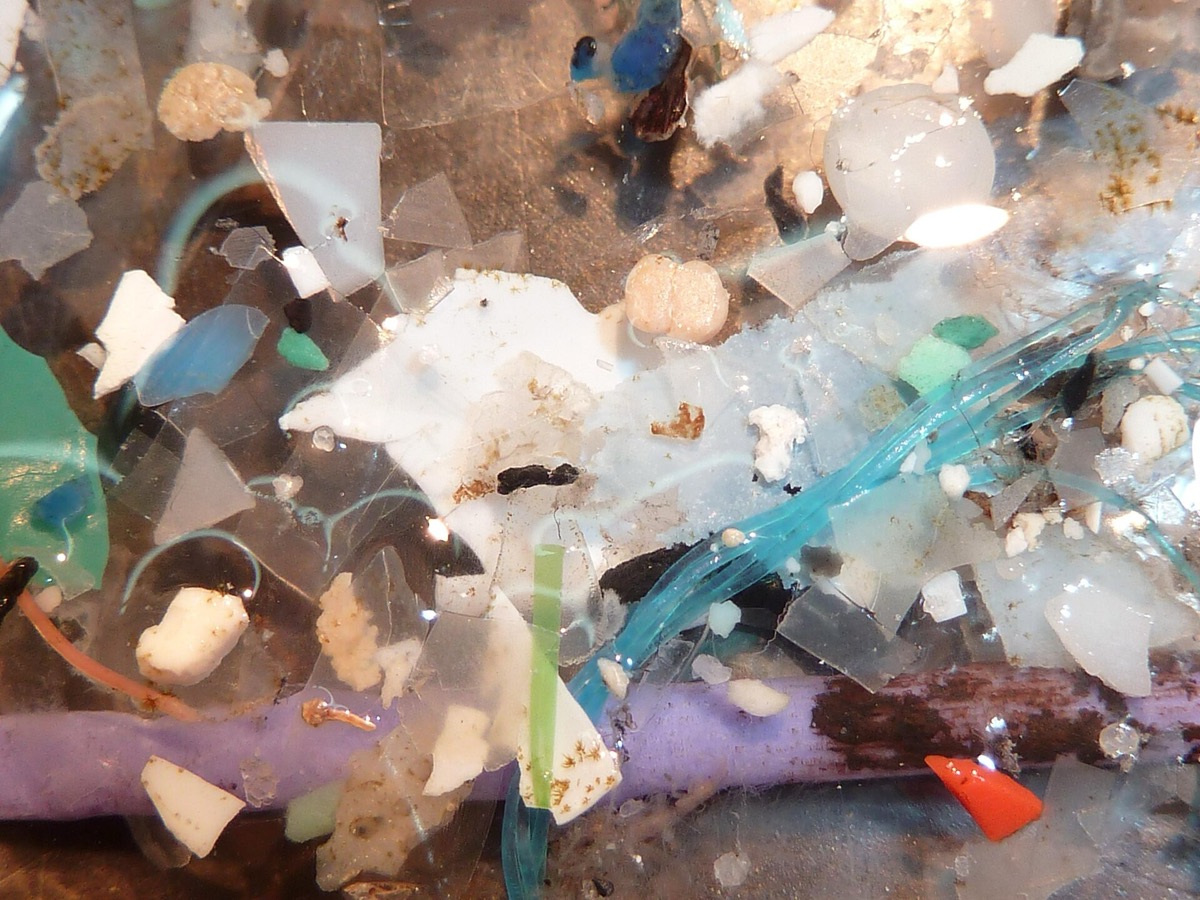
The name does a lot of work. A garbage patch sounds like a floating landfill. Reports comparing it to Texas, or twice Texas, or twice the continental United States, reinforce the picture of a surface you could walk out onto. NOAA, as a science agency, set out to separate what is known from what the name implies. Is there a patch there?
Not a patch, and not one of them. These areas do hold a higher concentration of plastic than other parts of the ocean. But much of the debris is small bits, smaller than 5 millimeters, suspended throughout the rather than floating on top. NOAA’s comparison is flecks of pepper through a bowl of soup rather than a skim of fat on the surface. There are also many patches, not one.
Some reports about the Great Pacific Garbage Patch would have you believe this marine mass of plastic is bigger than Texas, maybe twice as big, or even twice the size of the continental United States. There are many for the size or mass of the patches. NOAA, as a national science agency, treats separating the science from the science fiction as part of answering what the thing is.
The first myth is in the name. Garbage patch conjures a floating landfill with miles of bobbing bottles and stray yogurt cups. It is true that these areas have a higher concentration of plastic than other parts of the ocean. Much of the debris there is small bits of plastic, microplastics smaller than 5 millimeters, suspended throughout the water column.
NOAA’s own comparison is worth keeping. The debris is more like flecks of pepper floating throughout a bowl of soup than a skim of fat accumulating on the surface. Microplastics are nearly ubiquitous in the marine environment today, coming from larger pieces broken down over time, from fleece jackets, and from plastic microbeads added to face scrubs.
The second myth is the singular. There are many , in the sense that trash congregates to various degrees in numerous parts of the Pacific and the rest of the ocean. The natural gathering points are where rotating currents, winds and other ocean features converge. The impacts of microplastics on marine life remain an area of active research, and as NOAA puts it, however you look at these peppery soups of plastic, none of the debris should be there.
wat. The garbage patch is plastic suspended through the water like pepper in soup, not a surface anybody could stand on.
wat wat
The image decides what people imagine doing about it. Plastic suspended through the water column as particles smaller than a grain of rice is not a thing that can be skimmed off, whatever a floating-landfill picture suggests.
How do we know?
The NOAA Marine Debris Program addresses the size claims and two further myths about the garbage patches, describing what the debris actually consists of and where such accumulations form.
What is still unknown
NOAA notes there are many conflicting estimates for the size or mass of these patches, so the agency declines to settle on a figure. The impacts of microplastics on marine life are described as an area of active research.
Learn something?
Where to next
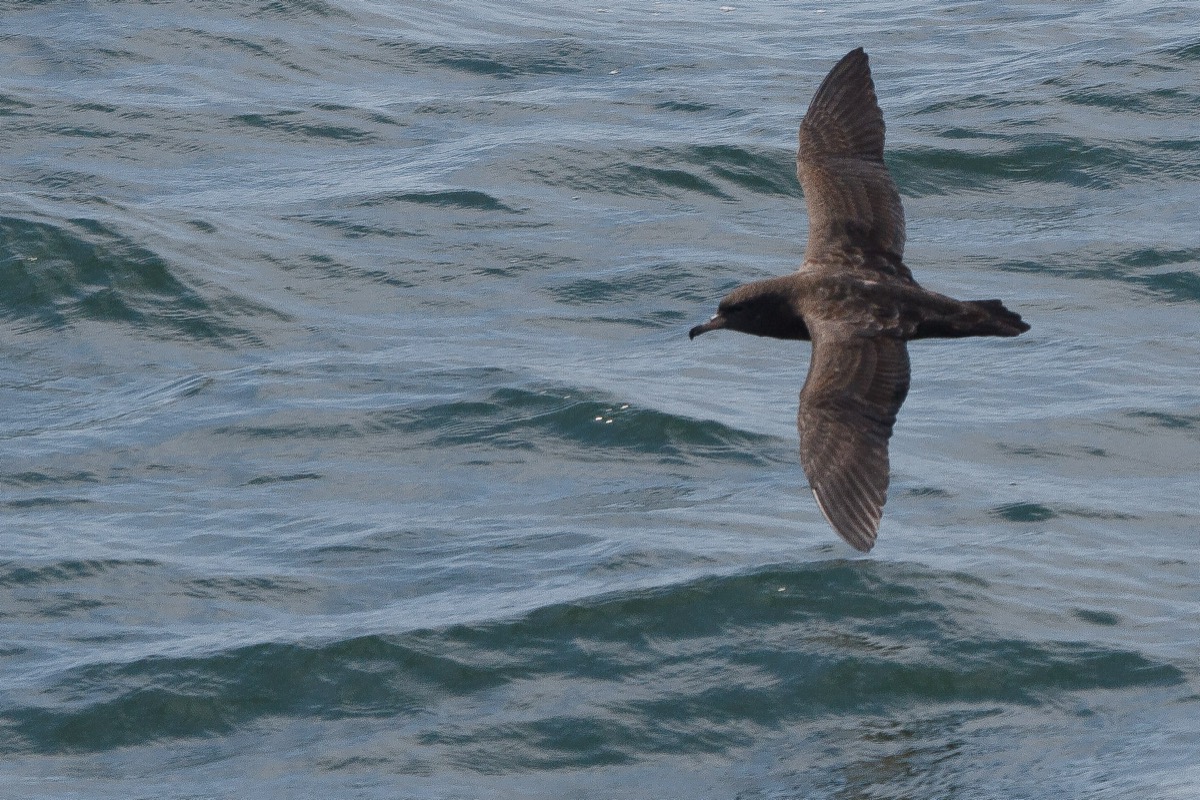 What happens to a young seabird that swallows a few grams of plastic?plastic
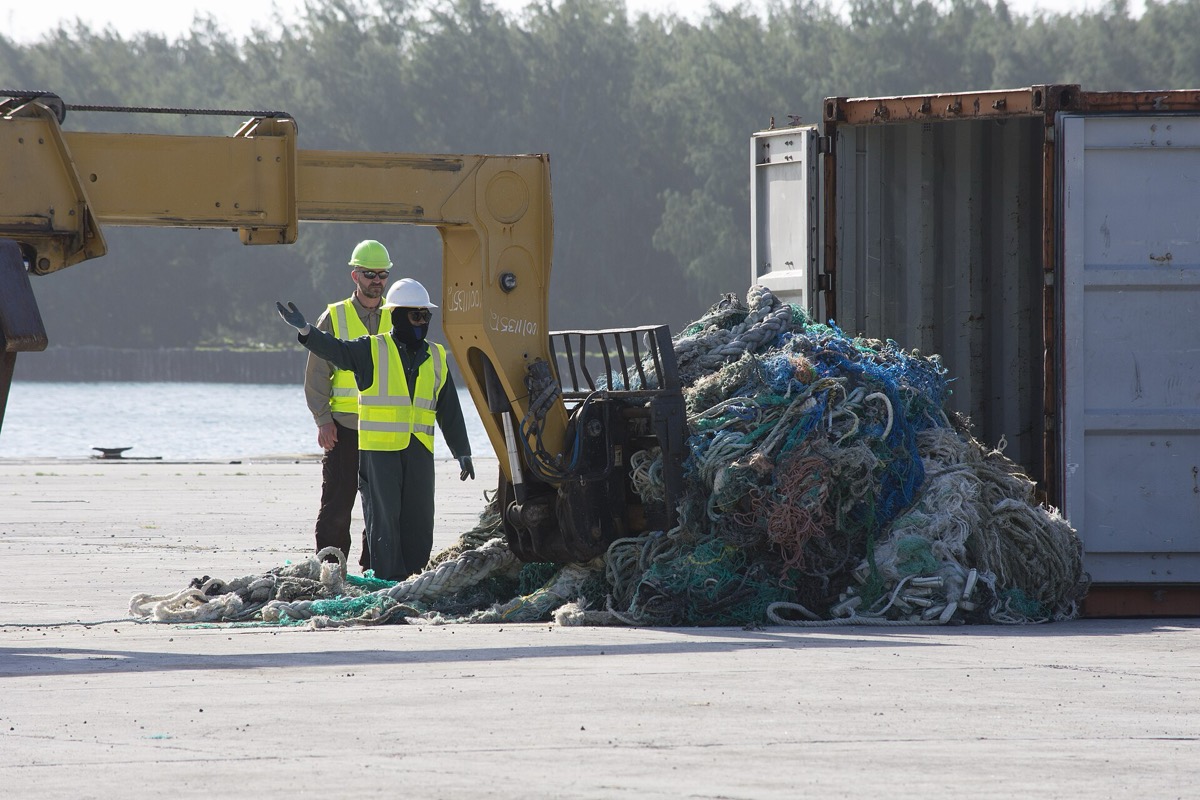 Why would a seabird mistake plastic for food?plastic
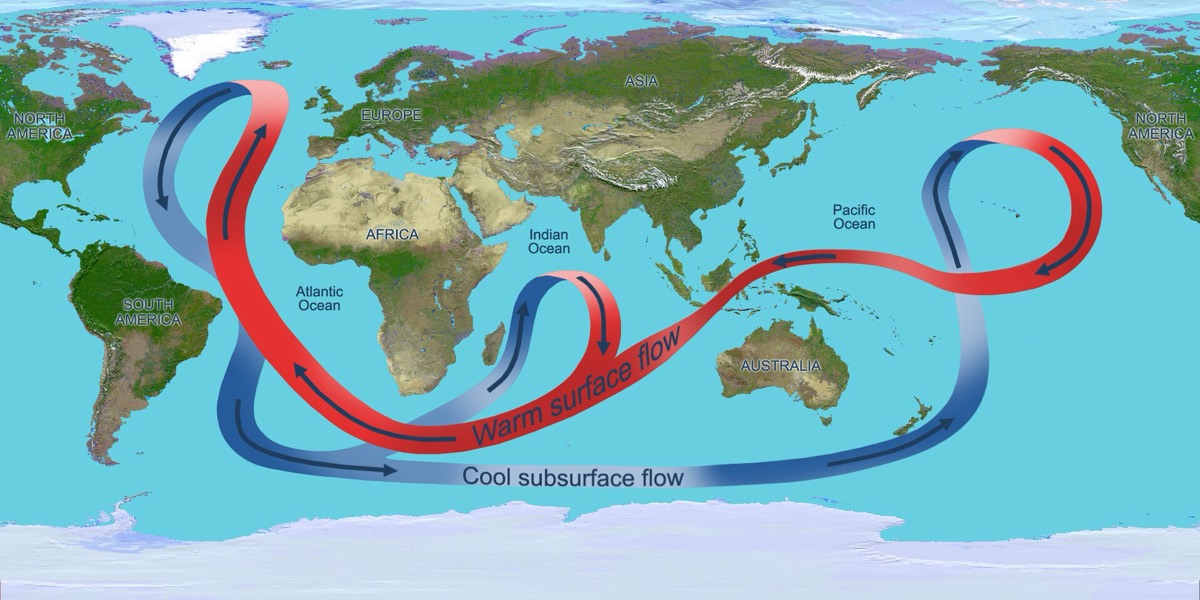 Why does the ocean get colder the deeper you go?oceans