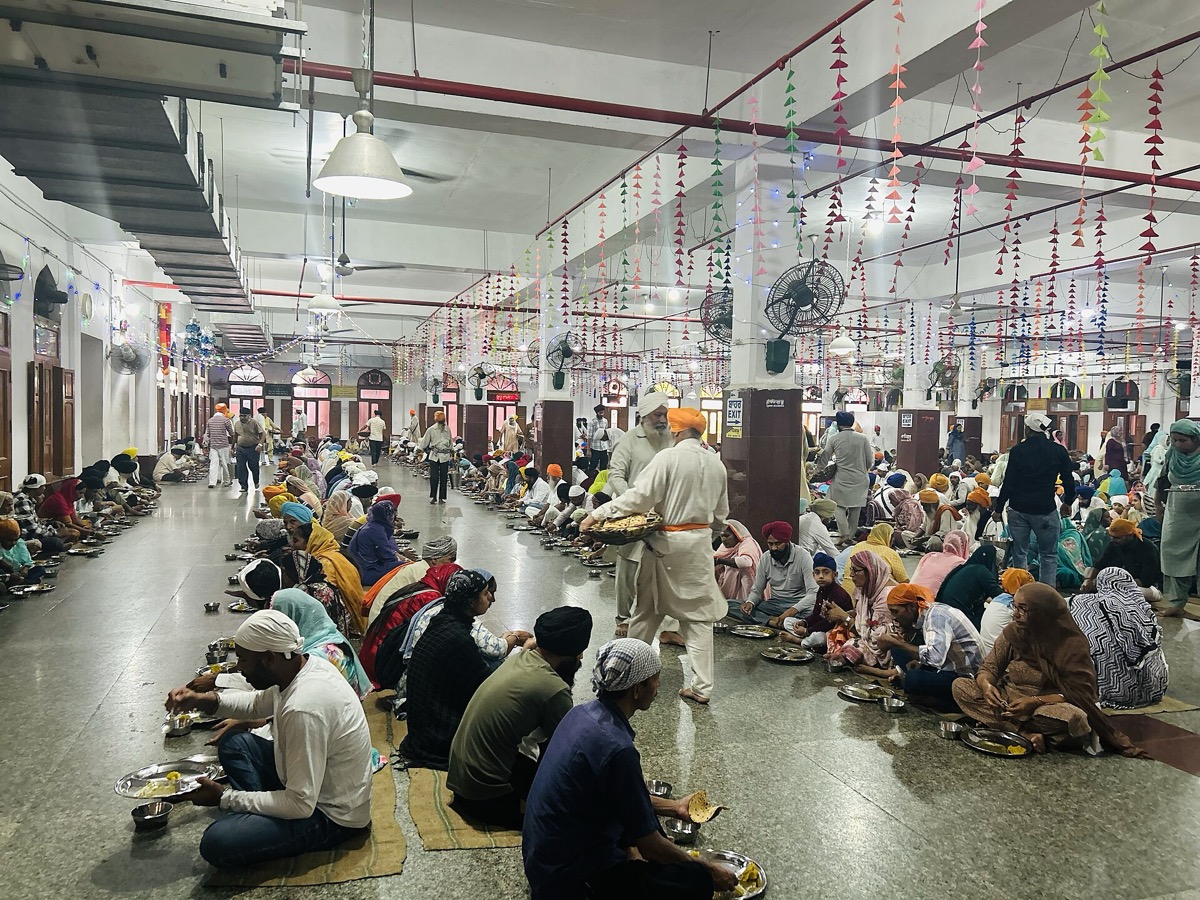
The langar at Sri Darbar Sahib serves a free meal to more than 50,000 people every day, and past 100,000 on major festivals. Free food at that scale sounds like charity on an industrial scale. The tradition insists on a distinction that charity cannot make.
You sit on the floor. Everyone does, in a row beside strangers who may be Sikh, Hindu, Muslim, Christian or atheist, rich or poor, and everyone is served the same simple vegetarian food in the same manner. Charity implies a giver and a receiver, which is a hierarchy; langar is a shared meal among equals.
Every single day, without pause, the langar at Sri Darbar Sahib serves a free meal to over 50,000 people, and more than 100,000 on major and festivals. The food is simple, nutritious and completely vegetarian, and it is open to every human being regardless of religion, caste, nationality, gender or social standing.
The account is emphatic that this is not charity. Charity implies a giver and a receiver, and therefore a hierarchy, while langar is a shared meal among equals rooted in , selfless service, and Sangat, holy congregation.
The practice was designed against a specific social fact. established it in the late 15th century, when people were born into rigid hierarchies determining who they could sit beside, eat with or speak to. His answer was that everyone sits on the floor and eats the same food.
Later Gurus hardened it into an institution. Guru Angad Dev Ji made langar an essential part of every Gurdwara, and made it compulsory even for the Emperor Akbar. Guru Ram Das Ji established it permanently at Amritsar, and Guru Arjan Dev Ji ensured it would run continuously, as it has for over four centuries.
wat. The floor is the great equaliser, and the emperor sat on it too.
wat wat
In a society stratified by caste, where you sat and who you ate beside was the whole argument.
How do we know?
The Golden Temple’s own account of the langar sets out its history from Guru Nanak Dev Ji, the role of the later Gurus, and the daily quantities the kitchen works through.
What is still unknown
An institution describing its own practice, which is authoritative on what it does and not a neutral history.
Learn something?
Where to next
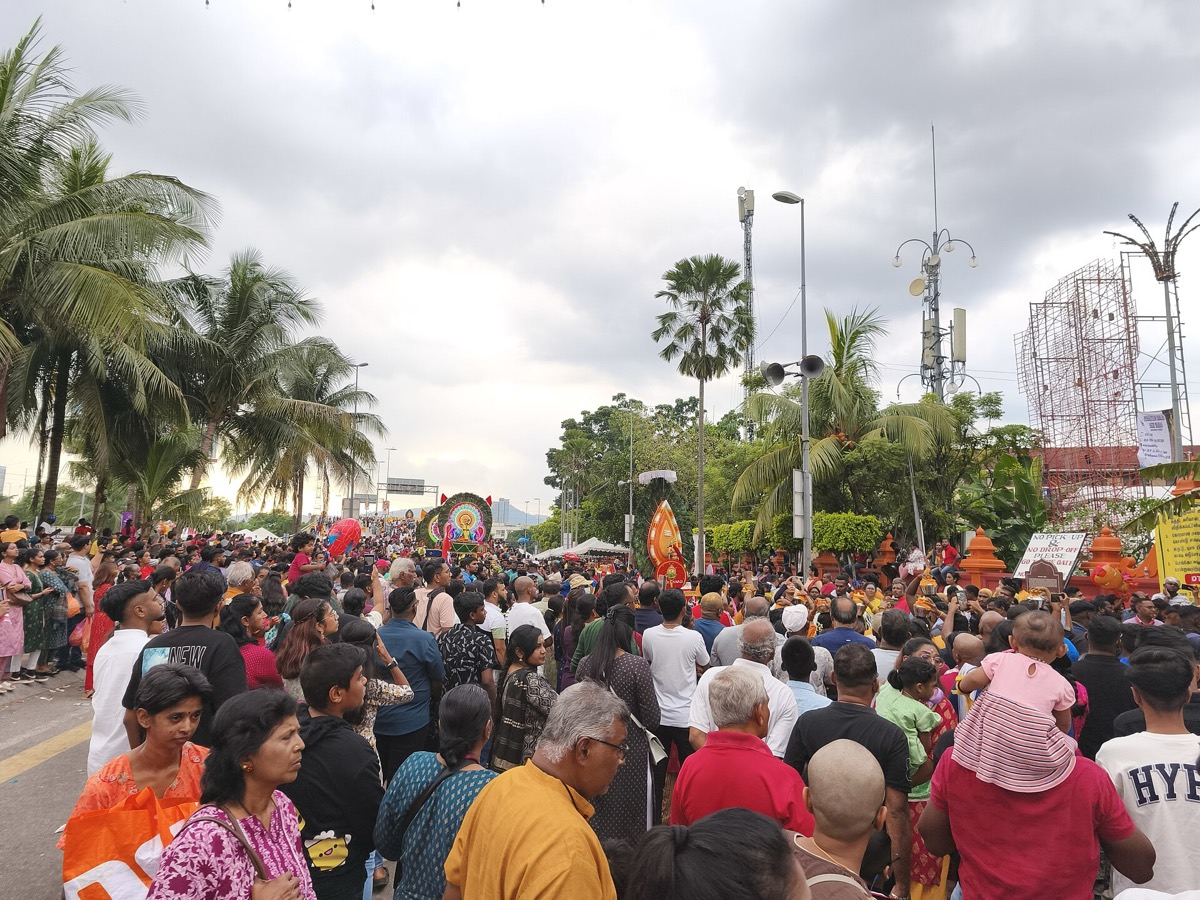 Can a painful ritual raise generosity toward a community?community
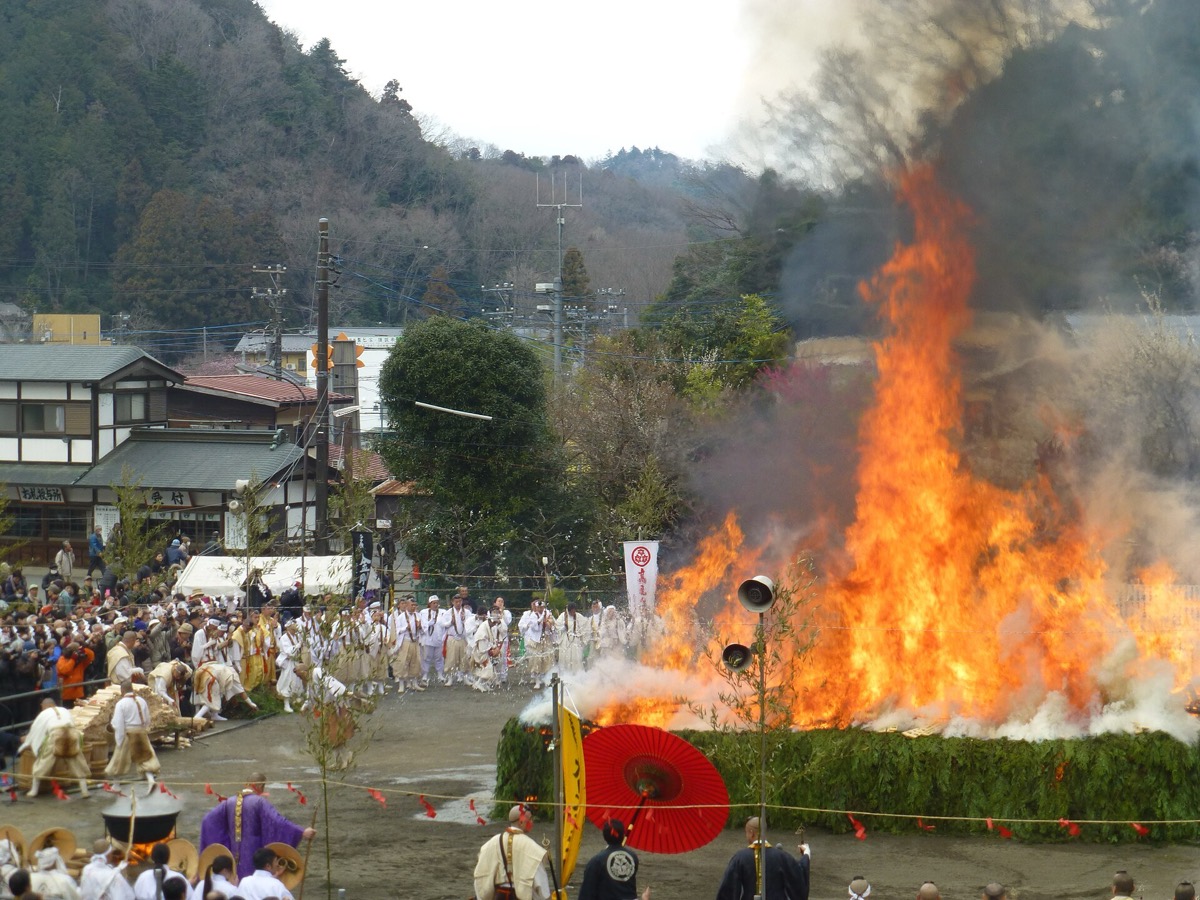 What happened to the pulse of the spectators at a firewalking ritual?communityWhose heart keeps time with a fire-walker?community