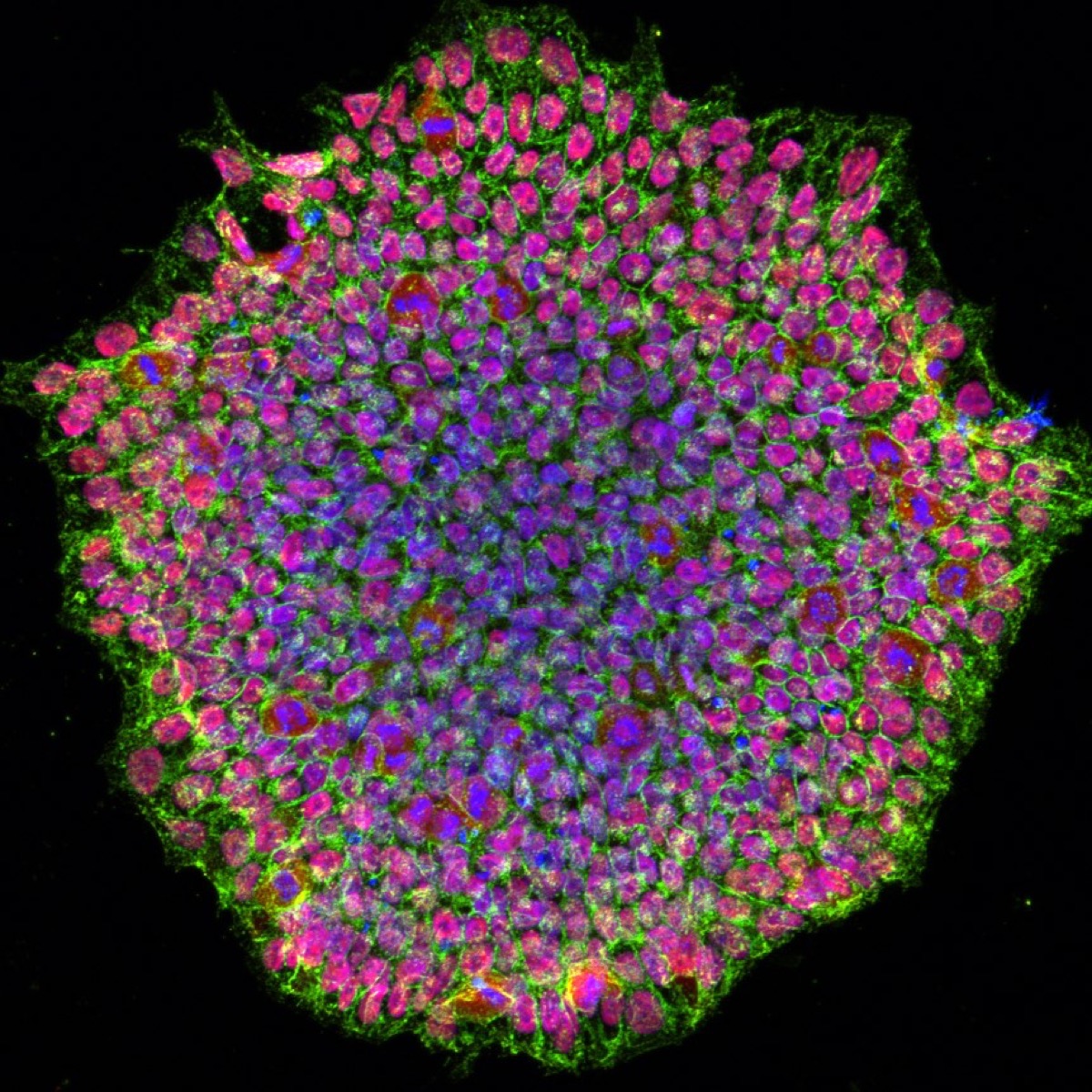
Differentiated cells could already be reprogrammed to an embryonic-like state, by transferring nuclear contents into oocytes or by fusion with embryonic stem cells. Both routes work and neither explains itself: little was known about which factors actually induce the reprogramming.
Four of them, introduced together. Mouse embryonic and adult became stem cells after the introduction of Oct3/4, Sox2, c-Myc and Klf4, each a , under embryonic stem cell culture conditions. , which everyone expected to be essential, turned out to be dispensable, and the authors named the result iPS cells.
Differentiated cells can be reprogrammed to an embryonic-like state by transfer of nuclear contents into oocytes or by fusion with embryonic stem cells. Those routes were established, and little was known about the factors that induce this reprogramming.
The demonstration here is of induction of pluripotent stem cells from mouse embryonic or adult fibroblasts by introducing four factors under embryonic stem cell culture conditions, each a transcription factor: Oct3/4, Sox2, c-Myc and Klf4.
One result cut against expectation. Nanog, widely regarded as central to pluripotency, was dispensable, which the authors flag as unexpected in the abstract itself.
The cells behaved like the real thing. These iPS cells exhibit the morphology and growth properties of embryonic stem cells and express embryonic stem cell marker genes. Subcutaneous transplantation into nude mice resulted in tumors, which shows potency and limits the use of these cells.
wat. Four factors turned an adult mouse cell back into something embryonic.
wat wat
It replaced an elaborate procedure with a short list of ingredients, which is what let the method spread.
How do we know?
Takahashi and Yamanaka introduced the factors into mouse fibroblast cultures, grew the resulting cells under embryonic stem cell conditions, and checked their morphology, growth properties and marker gene expression.
What is still unknown
Mouse cells in 2006, and the paper itself reports that transplanted iPS cells formed tumours in nude mice.
Learn something?
Where to next
 Is there an animal that can start its life over?stem cells
 What else does the tiny muscle that gives you goosebumps do?stem cells
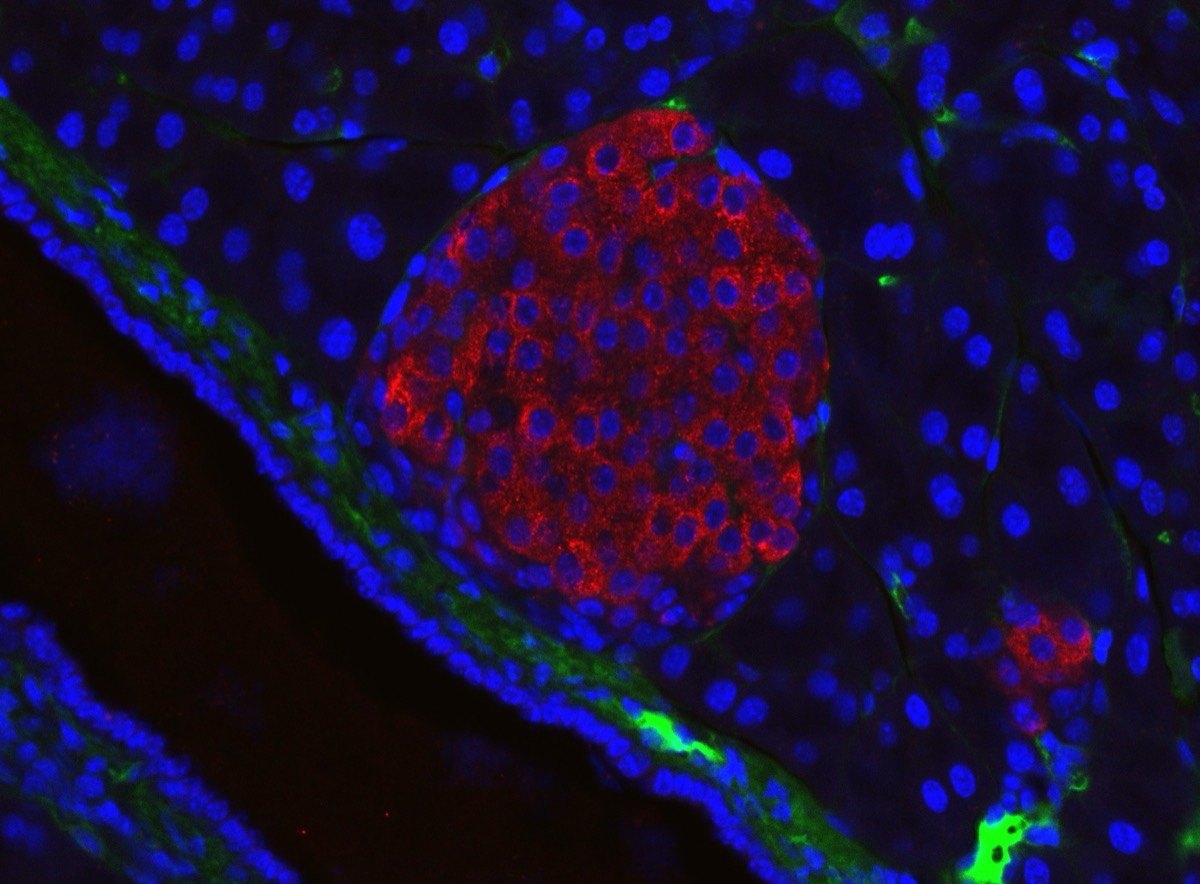 Can lab-grown islets free somebody with type 1 diabetes from insulin?stem cells