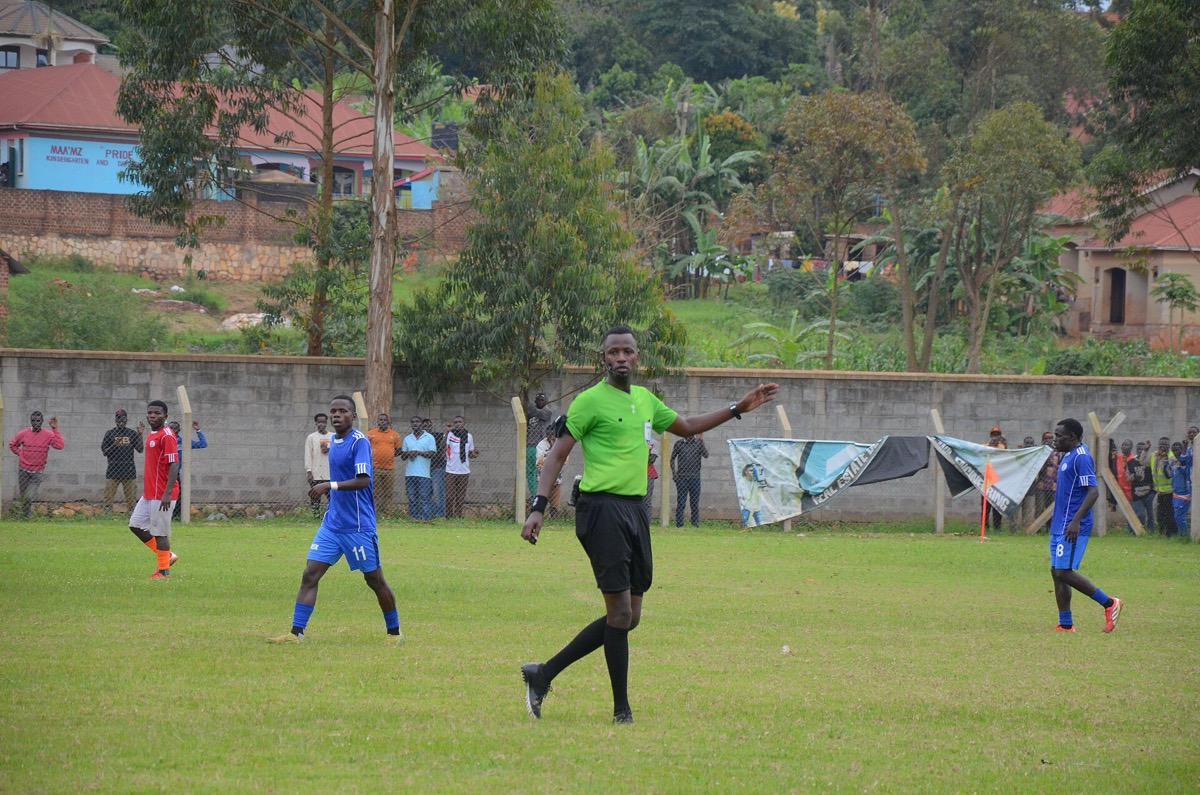
The obvious assumption is that a more experienced referee is also more accurate. To test it, national-level referees and less experienced ones were shown the same match clips with possible fouls, while a device tracked their eye movements. What was found?
Same accuracy, different looking. There were 15 referees in each group and thirty clips. in the decisions did not differ between the groups. In , though, the experienced referees gave some decisions faster and fixated earlier on the upper body of the offending player. Expertise can show up in the manner of searching even where a short test reveals no gap in accuracy.
In a football match a referee has to decide within seconds. Research on expertise can ask two different questions: whether the decision is more correct, and whether the route to it is faster and more focused.
The researchers compared 15 national-level referees with 15 less experienced ones. All watched the same 30 clips of duels for the ball, tactical fouls and handballs under , and gave a technical and a disciplinary decision for each.
Overall accuracy did not differ between the groups. But the experienced group gave a faster disciplinary response in duels for the ball, and fixated earlier on the upper body of the offending player. In handball situations they returned less often to several areas of the body.
A projected video does not include the angle, the movement and the pressure of officiating on grass. The sample is small, and in several situations the accuracy task sat or close to guessing. So the finding is a gap in search efficiency on this task, not a verdict on the quality of all referees.
wat. In a video test with 30 football referees, experience changed the pattern of gaze more than it changed overall accuracy.
wat wat
Referee training can address where and when to look, and not only a right or wrong score at the end of a clip.
How do we know?
The work compared decisions and response times on identical match clips together with eye tracking of where the two groups of referees looked.
What is still unknown
Thirty men watched video clips rather than officiating a live match. In some situations the results were close to ceiling or close to guessing, so it does not follow that experience never improves accuracy.
Learn something?
Where to next
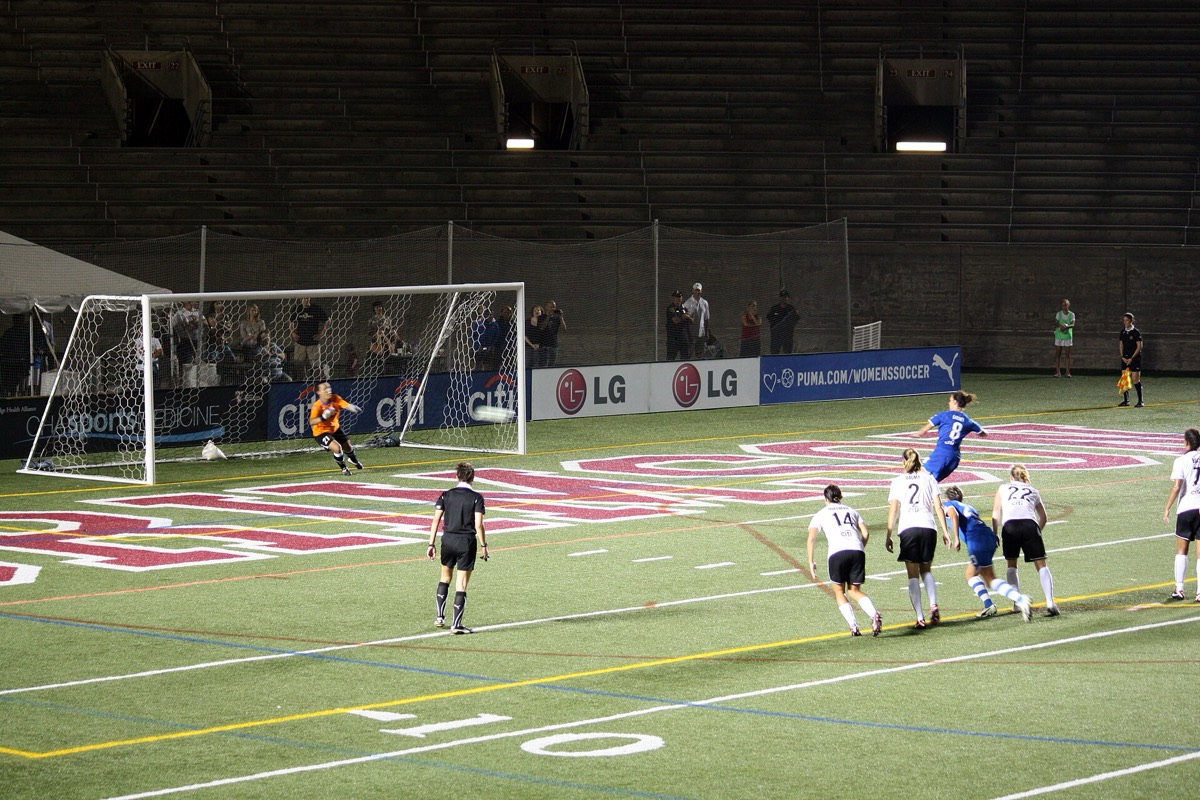 Where do the eyes go when you take a penalty under pressure?football
 Is the crowd really the twelfth player?football
 Can a regular warm-up prevent almost four in every ten injuries?football