
Athletes stretch, balance, run through proprioception drills and lift, and every one of those has been sold as injury prevention. Randomized trials exist for several of them. Comparing what they deliver, and whether more of it delivers more, is a different exercise from running one more trial.
Strength training, and dose matters. Pooling six randomized controlled trials covering 7,738 participants aged 12 to 40 years, who sustained 177 acute or between them, the came out at 0.338. A 10 percent increase in strength training volume reduced the risk of injury by more than four percentage points.
This review set out to analyze the randomized controlled trials of strength training as primary prevention of sports injuries, and to present best evidence recommendations. It was registered in advance with PROSPERO, and two independent authors sorted the studies and assessed their quality.
The eligible literature is small. Six studies analyzed five different interventions with four distinct outcomes, published between 2003 and 2016, five of them from Europe and one from Africa.
Between them they included 7,738 participants aged 12 to 40 years, who sustained 177 acute or overuse injuries. A cluster-adjusted intention-to-treat analysis established a relative risk of 0.338, which is about a third of the control rate, consistent across robustness tests, with the strength of evidence rated high and no detected.
The dose finding is the practical one. Post-hoc showed that a 10 percent increase in strength training volume reduced injury risk by more than four percentage points. The included studies were safe, well executed and had high compliance rates.
wat. Lifting cut injury risk to about a third.
wat wat
A dose relationship is what turns a recommendation into a prescription you can write down.
How do we know?
Lauersen and colleagues registered the review in advance, searched four databases to July 2017, had two independent authors sort and assess every study, and ran robustness, publication bias and meta-regression tests.
What is still unknown
Six trials of five interventions, all but one from Europe, in people under forty.
Learn something?
Where to next
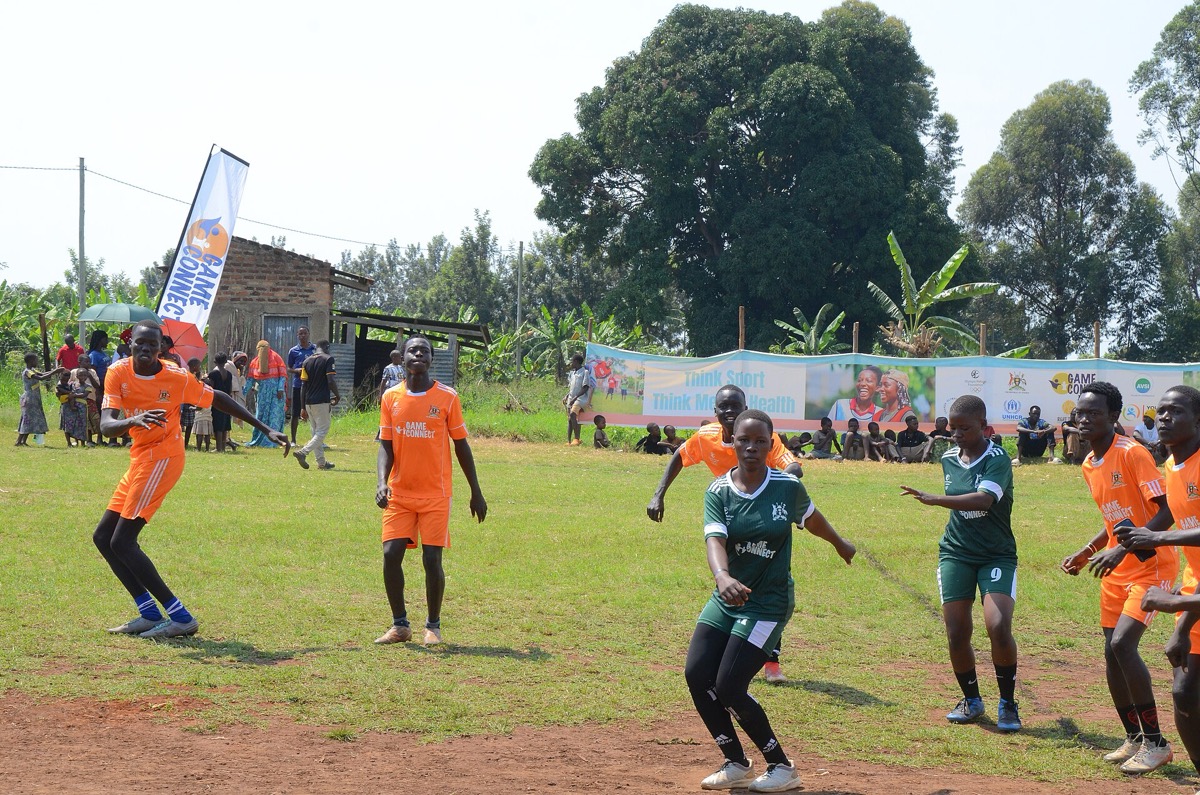 Can a regular warm-up prevent almost four in every ten injuries?injuries
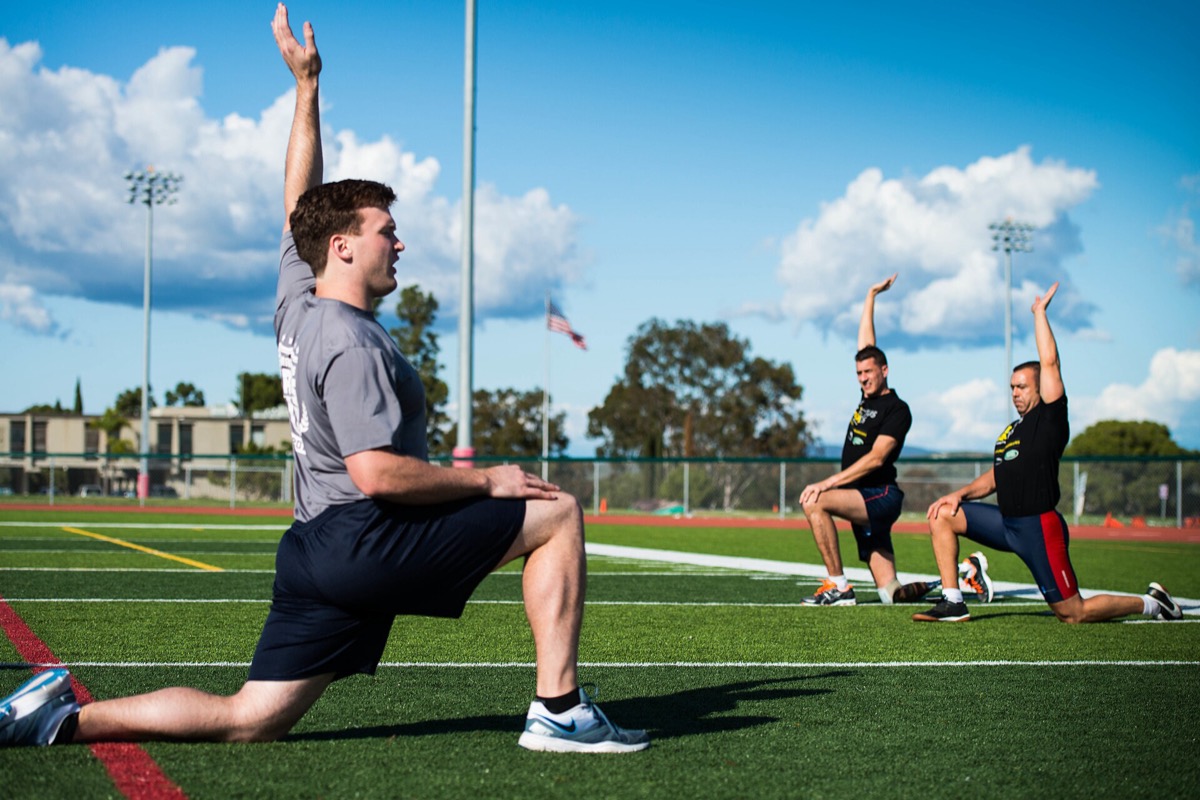 Which of the things athletes do before training actually prevents injury?injuries
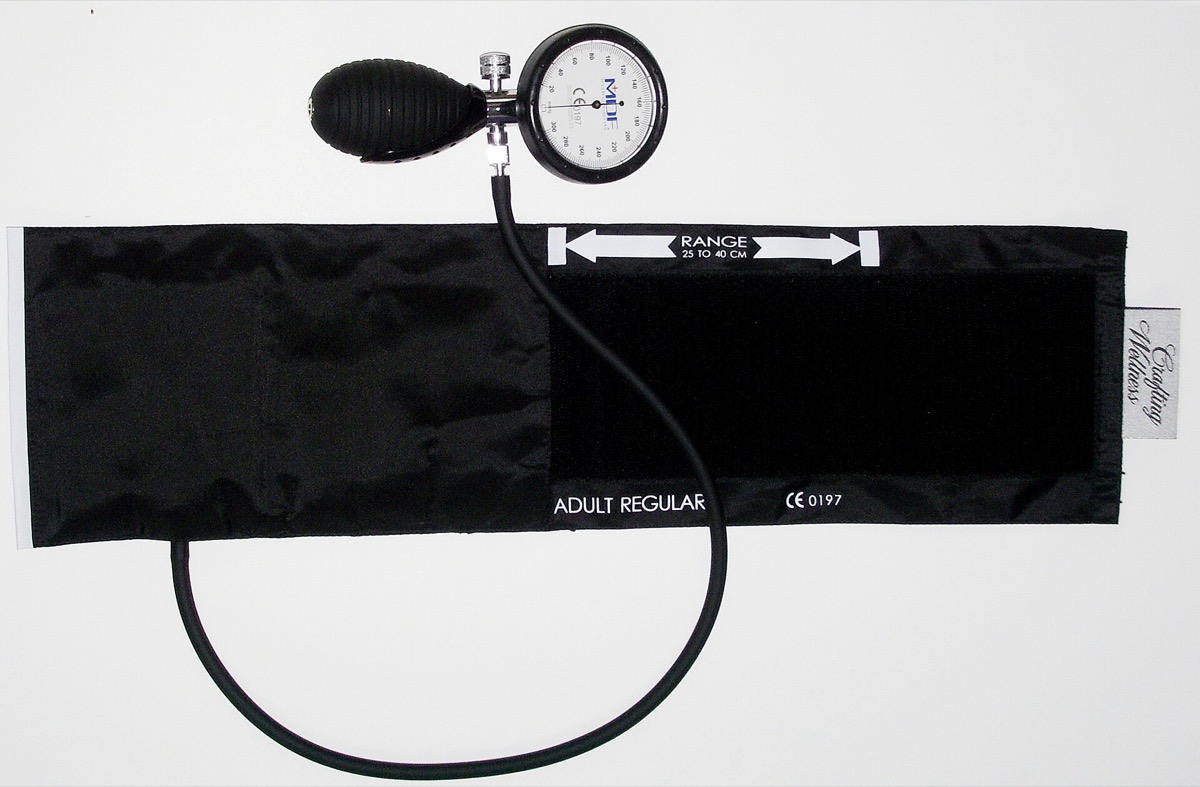 Does tightening a pressure cuff before training really improve performance?sport