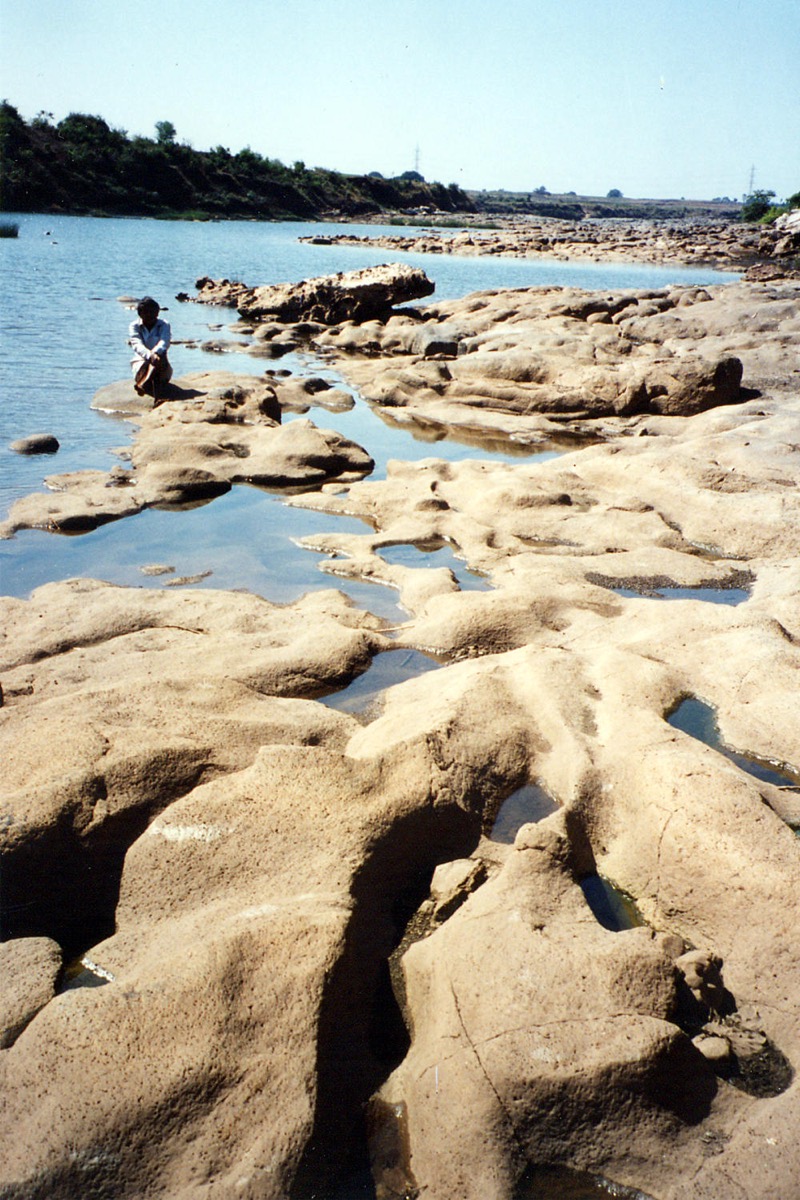
About 66 million years ago an asteroid struck the Earth, and around the same time enormous quantities of lava erupted in region of India. The question of which came first is not technical: it decides who is to blame for an extinction. What does the dating say?
Both sides of the line. Dating minerals from inside the lava layers identified four periods of high eruption rate. One began tens of thousands of years before , and others continued after it. The picture is more complicated than “asteroid or volcanoes”: both events may be part of the environmental story, and dating alone does not settle how much each contributed.
The basalt layers of the Deccan formed around the same stretch of time in which an asteroid struck the Yucatán region. An overlap in time by itself does not decide which event caused what.
dating of zircons made it possible to separate the phases of volcanic activity. The work identified four large , with significant activity both before the boundary and after it.
A finding of an early pulse opens the possibility of environmental pressure that began before the impact. Later activity may matter for how the systems recovered after the extinction.
Even so, dating is not a direct measurement of the effect of gases, of dust or of the impact itself. The question of relative contribution is examined in other work as well.
wat. India recorded enormous pulses of eruption both before the end-Cretaceous extinction and after it.
wat wat
To understand a mass extinction you have to know what came before, what happened alongside and what arrived afterwards.
How do we know?
Uranium-lead dating of zircon minerals from the Deccan layers made it possible to estimate when the different pulses of lava flow occurred.
What is still unknown
The age of the rocks teaches when eruptions happened; it does not directly measure how much gas was released or the relative share of each cause in the extinction.
Learn something?
Where to next
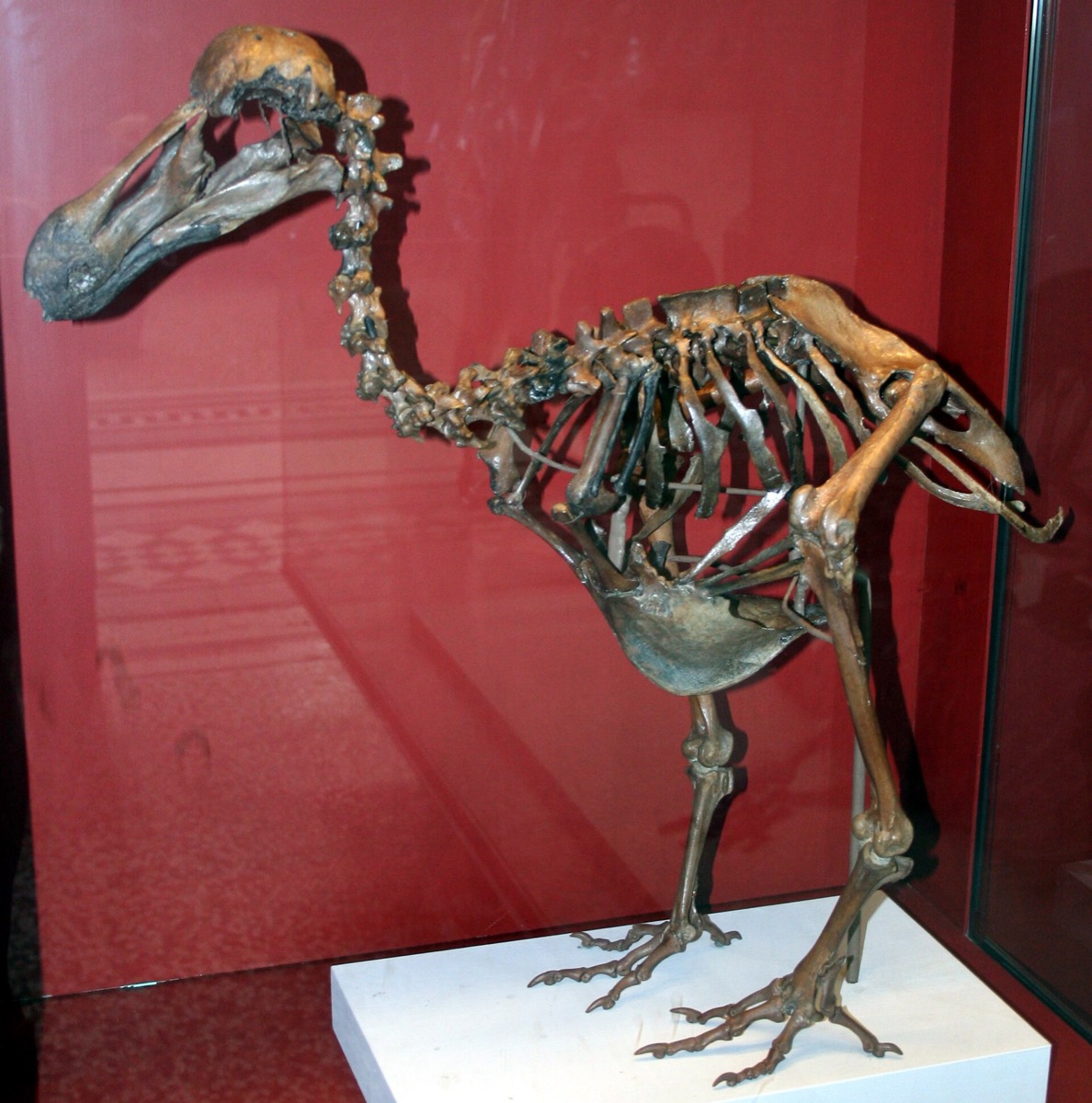 What are we comparing today’s extinctions against?extinction
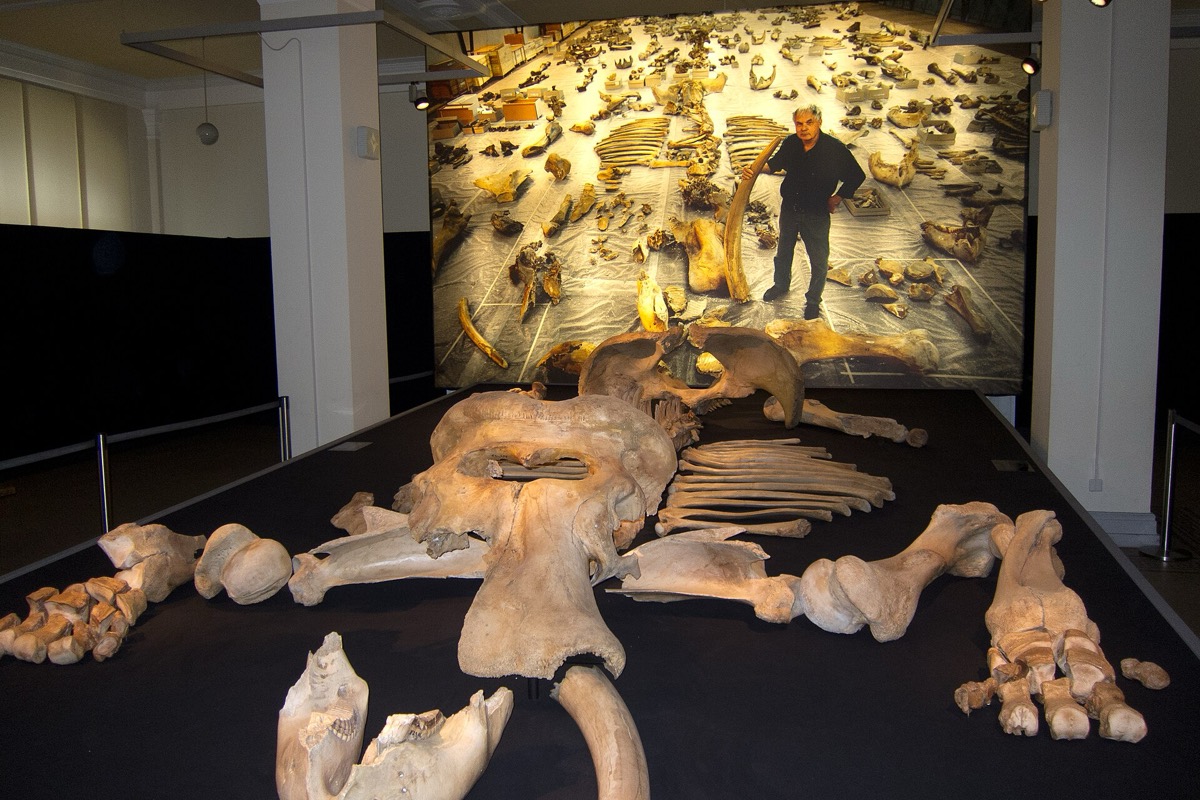 When did the last mammoths actually disappear from the Yukon?extinction
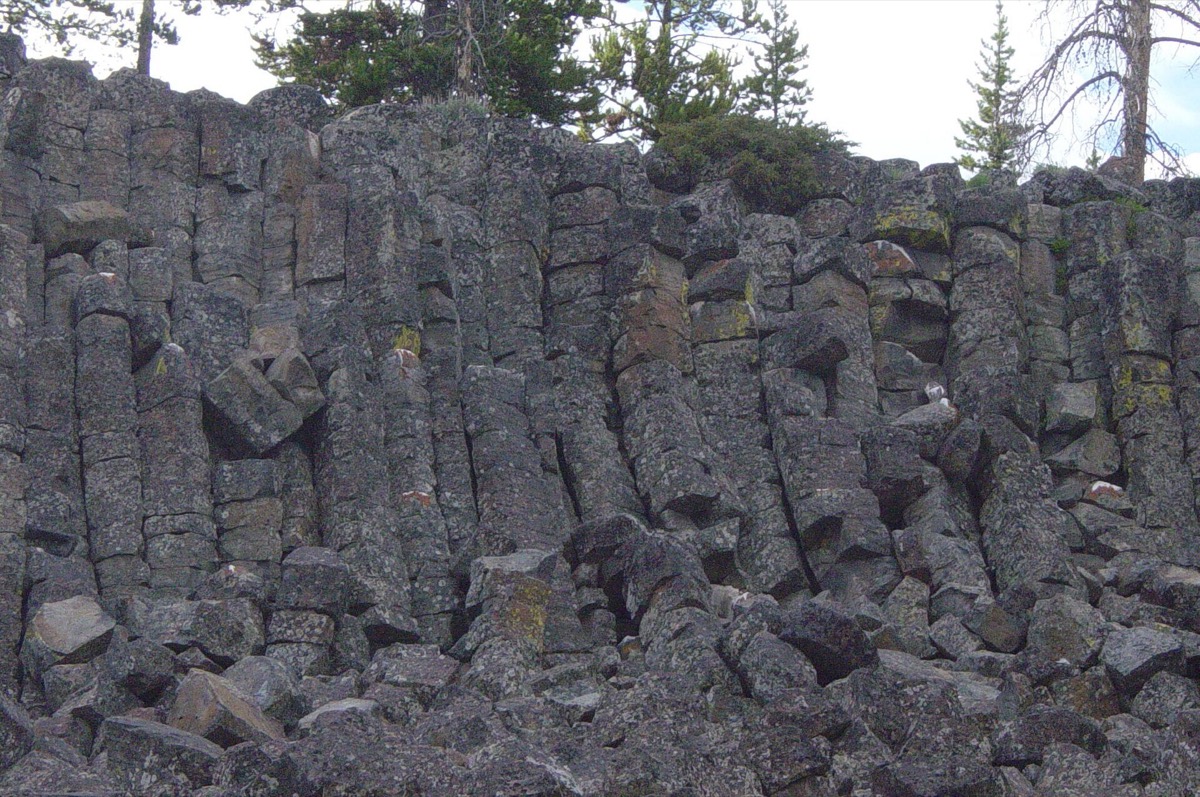 Why does cooling lava crack into columns?basalt