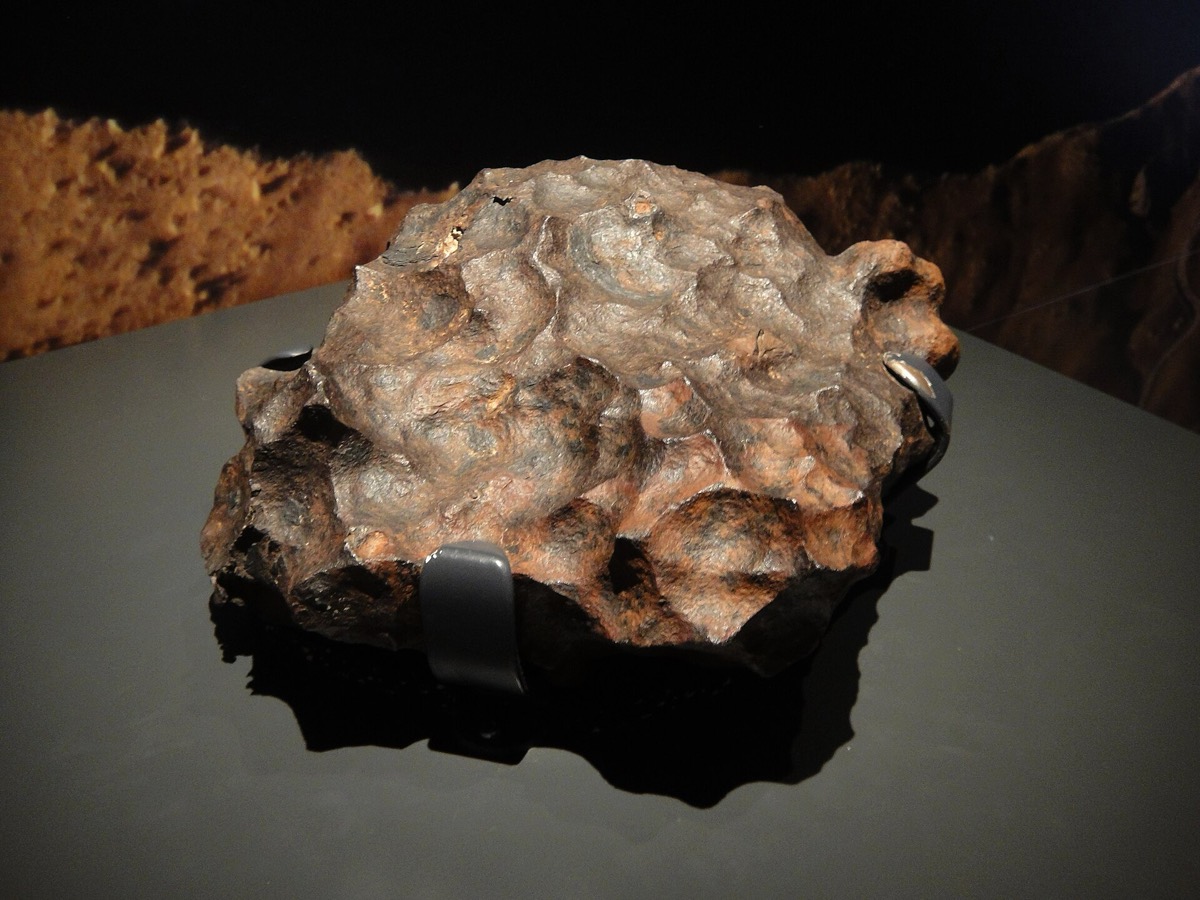
Measuring the age of the Earth directly is hard, because rock at the surface melts, erodes and is replaced without pause. The oldest stone you can find here is younger than the planet. So where do you get material that never changed?
Certain are leftovers from the early solar system, too small to stay geologically active, so their clock stopped at formation. In 1956 Clair Patterson measured lead isotopes in them and found a consistent age of about 4.55 billion years, which dates the Earth along with them.
The problem is not the method, it is the material. Dating a rock needs a rock that has not changed since it formed, and the surface of the Earth has almost none: the crust melts, erodes, is buried and recycled without stopping. Every measurement gives the age of the rock, not the age of the planet.
The answer was to go outside. Certain meteorites are leftovers of the material the solar system formed from, and they are too small to be geologically active, so the clock inside them stopped at formation.
The clock itself is uranium decaying into lead. What makes unusually trustworthy here is that two kinds of uranium decay at different rates, which gives that have to agree. In the meteorites tested they did, at around 4.55 billion years.
The hard part turned out to be . Industrial lead was everywhere, including in the laboratory air, and Patterson had to build the first ultra-clean lab before he could read anything at all. Chasing that contamination is what led him to show that leaded petrol was poisoning people. The original figure carried real uncertainty and later work refined it, and the anchor has held.
wat. To find out how old the house is, Patterson asked the stones left over from building it.
wat wat
It gave the history of the Earth and the solar system a number to hang on, instead of a relative geological estimate.
How do we know?
Radiometric dating on the decay of uranium into lead, comparing isotope ratios in meteorites against terrestrial lead.
What is still unknown
The original figure carried real uncertainty, and later measurements refined it. The radiometric anchor itself has held.
Learn something?
Where to next
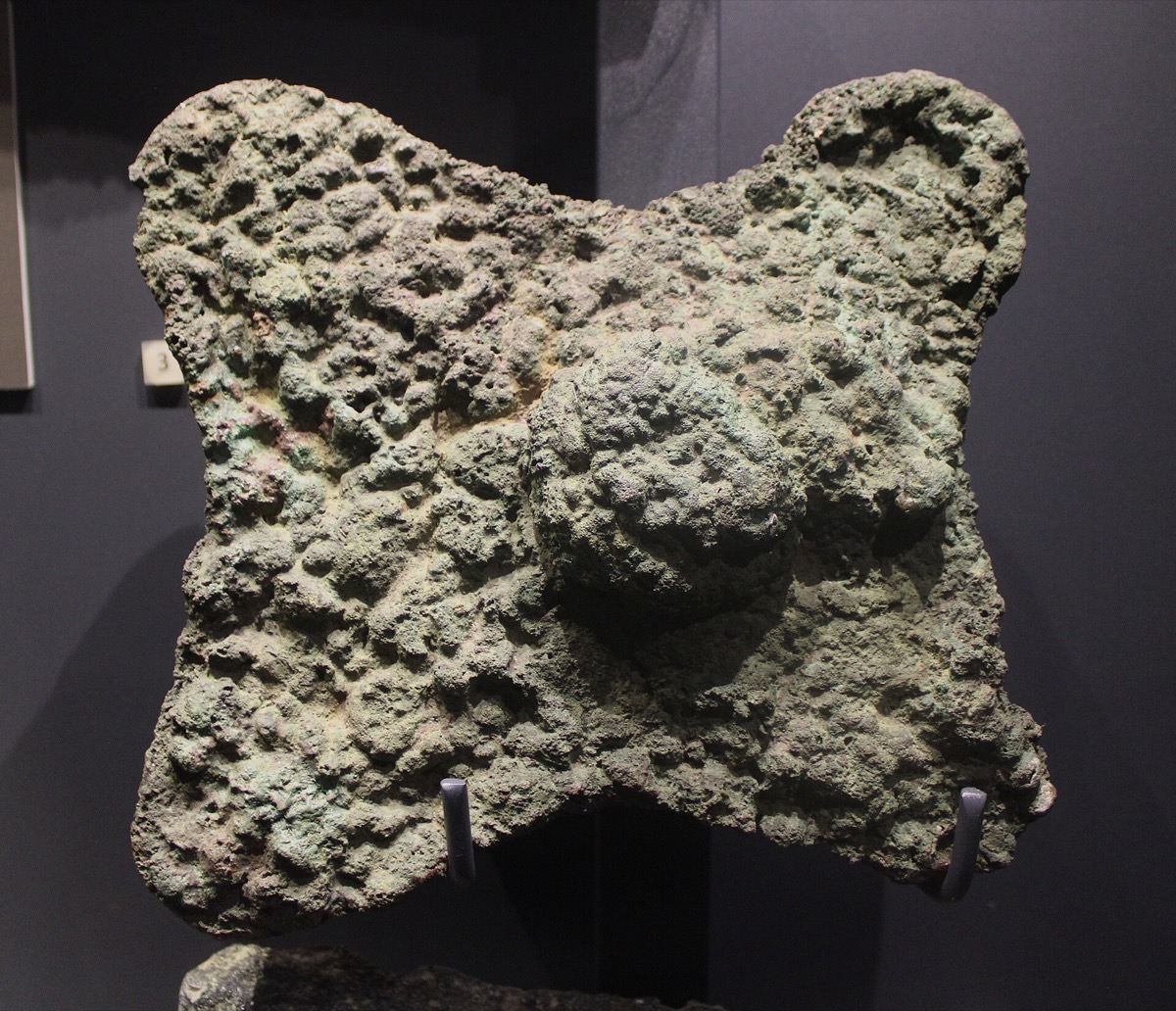 Where did the tin in a Bronze Age cargo come from?isotopes
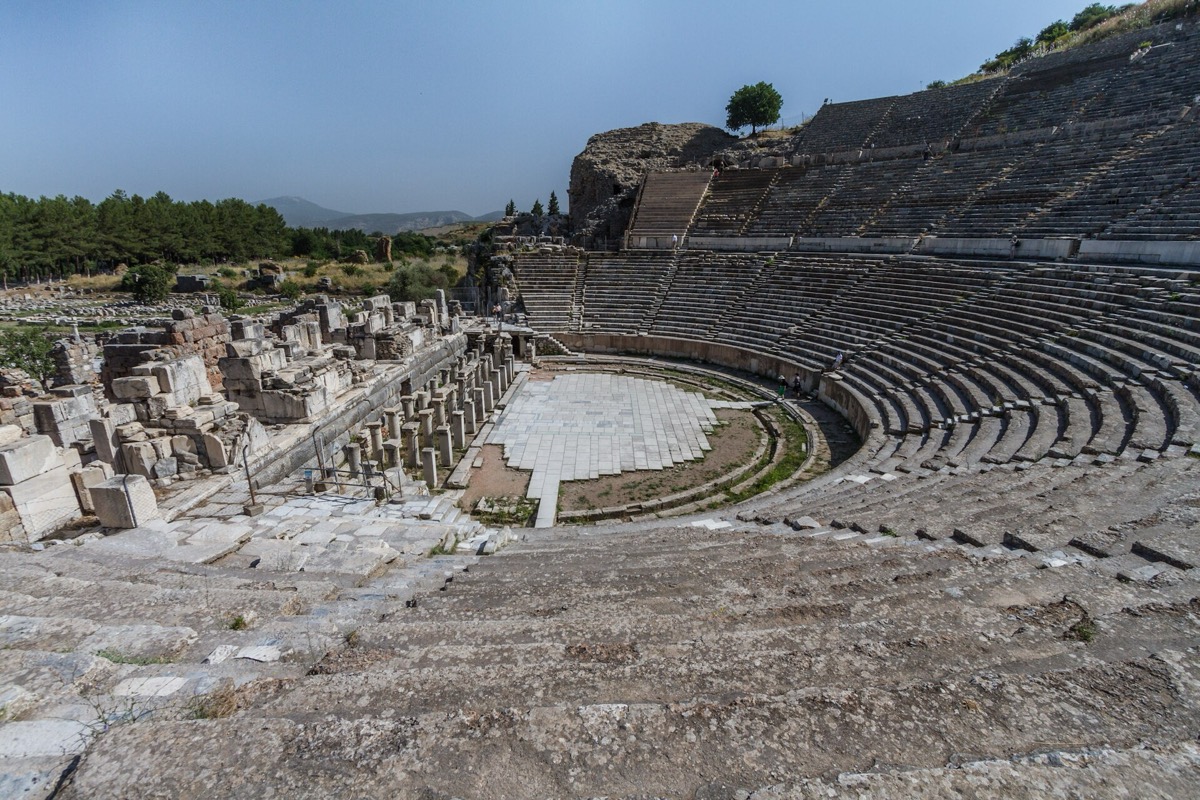 What did gladiators drink after a fight?isotopes
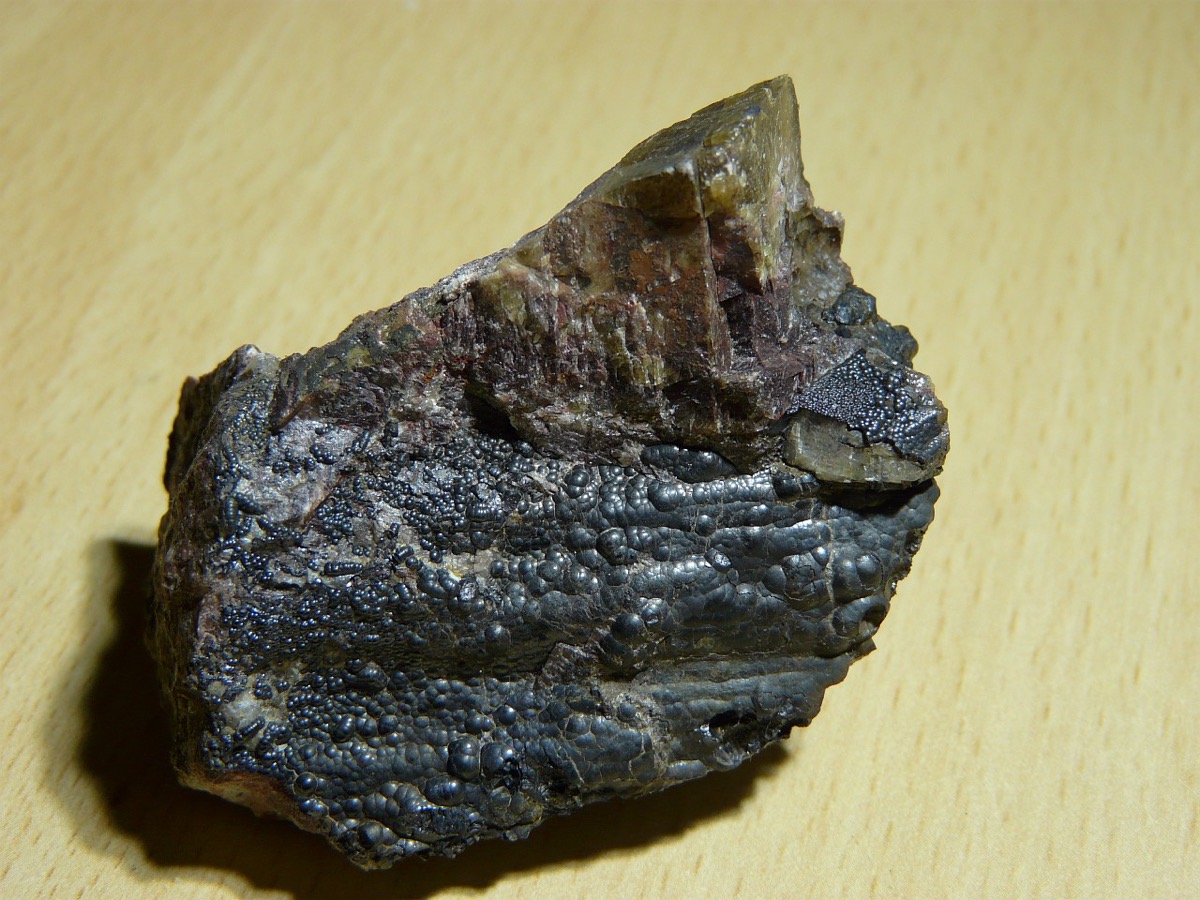 Did a nuclear reactor ever start without people?isotopes