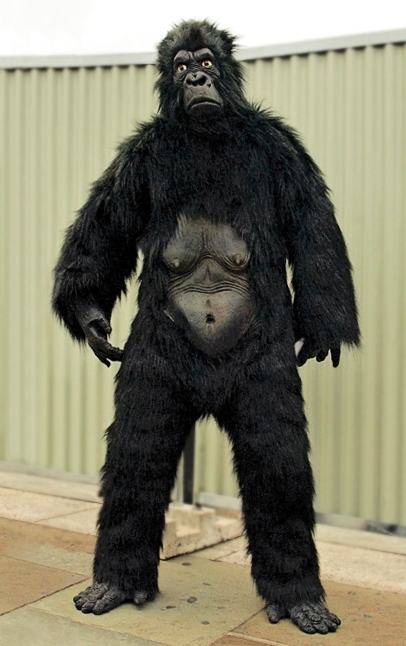
Participants watched a video of two teams passing balls and were asked to count the passes of one team only. Halfway through, a person in a walked between the players, stopped for a moment, and went on. How many reported seeing it?
Many of the viewers did not report seeing it at all. Counting the passes swallowed them so completely that a person in a gorilla suit crossed the screen without registering. The eyes took the scene in; the attention was pointed at another task. The phenomenon is called , and the evidence that it is a resource and not mere absent-mindedness is that the harder the task, the more people miss.
The setup is simple and misleading in its simplicity. Viewers watch a video of two teams passing balls and are asked to count the passes of one team only. takes real effort, because you have to follow and ignore at the same time.
Halfway through, a person in a gorilla suit walks in, moves to the center of the picture, stops, beats their chest and leaves. They are on screen for about nine seconds. A substantial share of viewers do not report seeing them at all.
This is not a failure of the eye. The light went in, the retina caught it, and in the physiological sense the picture was there. What did not happen is conscious processing, because attention had been allocated to another task. Conscious vision is not a photograph of everything in front of the eyes but a selection.
The evidence that this is a resource rather than absent-mindedness is that misses rise as the task gets harder. Which makes a practical problem, not a curiosity. A driver busy with a conversation may not see a motorcycle, and in one famous study an image of a gorilla went into a lung scan and most radiologists did not report it. The miss rate shifts with the instructions, the expectations, and how much the event resembles the task.
wat. Counting passes accurately can come at the cost of missing something large in the middle of the picture.
wat wat
It has practical weight in driving, in security, in medicine, and anywhere one task is competing for attention.
How do we know?
In a controlled experiment the researchers varied the counting task and how conspicuous the event was, and asked immediately afterwards what the participants had noticed.
What is still unknown
The miss rate shifts with the instructions, with expectations, and with how much the event resembles the task.
Learn something?
Where to next
 Why is it so hard to say what color a word is printed in?attention
 Would you notice if the person you were talking to was swapped for someone else?attention
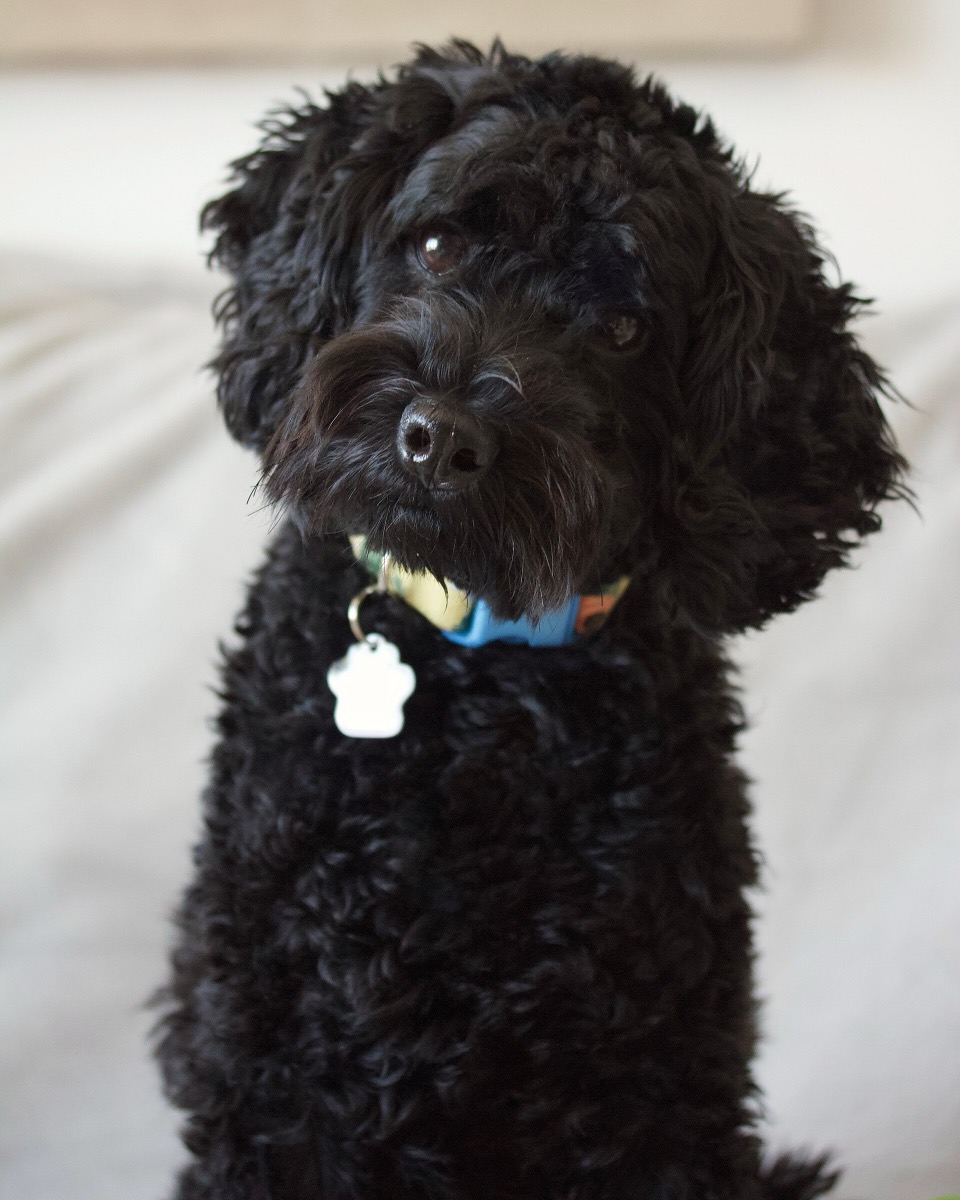 Your dog tilts its head when you talk. What is it doing in that moment?attention