
Take the word "blue", print it in red ink, and say the ink color out loud. Nothing about that is difficult, and most people still slow down, stumble and get it wrong. Why does an easy task fight back?
Reading runs on its own and naming a color does not. Both answers head for the same place, the machinery that says a word out loud, and the read word gets there first. It has to be held down before the color can be spoken, and holding it down is what costs time.
The quickest way to understand this is to do it. Write the word blue in red ink and say the color of the ink out loud. The tongue catches. Write it in blue ink and the same sentence runs straight through.
Two processes collide, and they do not have equal standing. Reading has become after years of practice: it starts without being asked and cannot be called off. Naming a color is deliberate, and it takes attention to do at all.
Both end at the same place, the machinery that produces a spoken word. The automatic answer arrives first, so it has to be blocked before the other one can get out. That block is what costs time, and it sometimes fails outright, which is why errors climb alongside the delay. Because the task isolates that moment, it measures more cleanly than most things do.
That is also why the outgrew the lab and became a clinical check. Its size moves with language, with age, and with how much a person reads, so it is not the measure of a fixed trait. Papers report together, because either one on its own can be bought with the other.
wat. Printing the word "blue" in red ink is enough to make a fluent adult stumble, because the brain finishes reading before it finishes looking.
wat wat
The task became a standard instrument in attention research, and a clinical check on how well someone can stop an answer that is already on its way.
How do we know?
The measure is reaction time and error rate, comparing words where ink and meaning agree against words where they conflict.
What is still unknown
The size of the effect moves with language, age and reading practice, so it is not a reading of one fixed trait.
Learn something?
Where to next
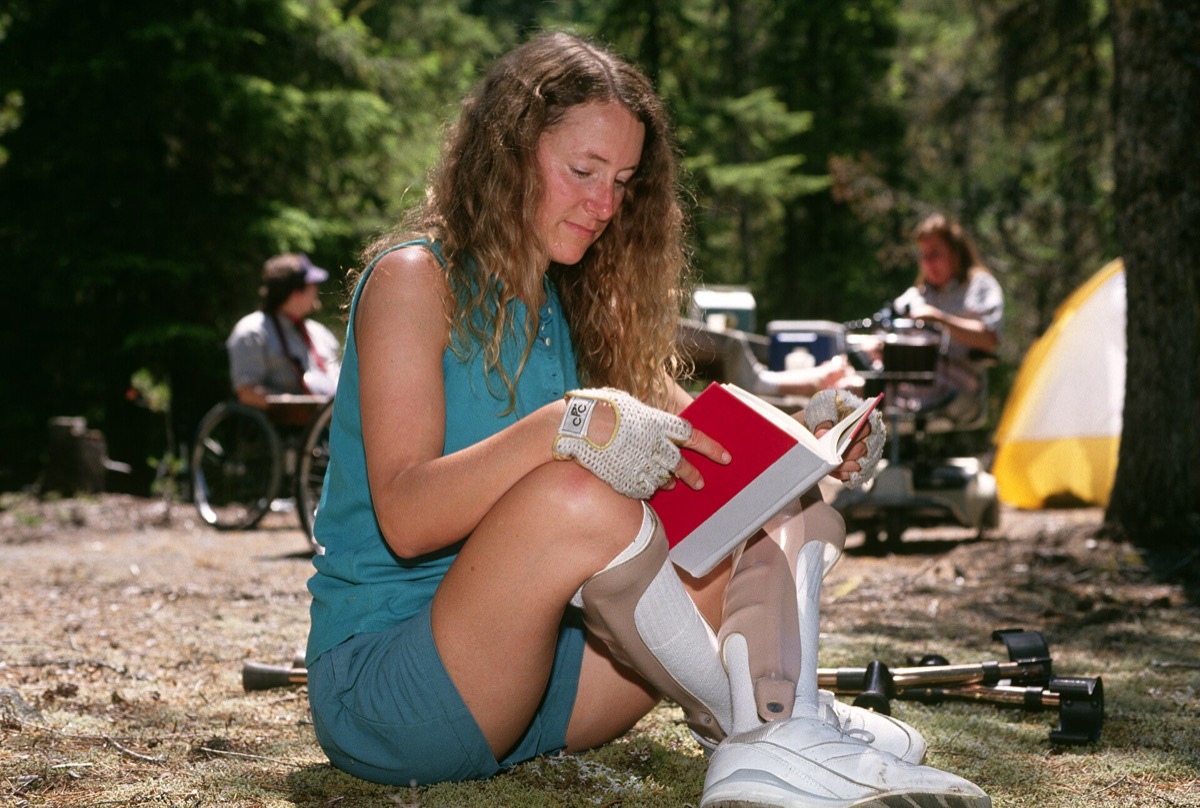 Why does a story stay in your head after you close the book?reading
 Would you notice if the person you were talking to was swapped for someone else?attention
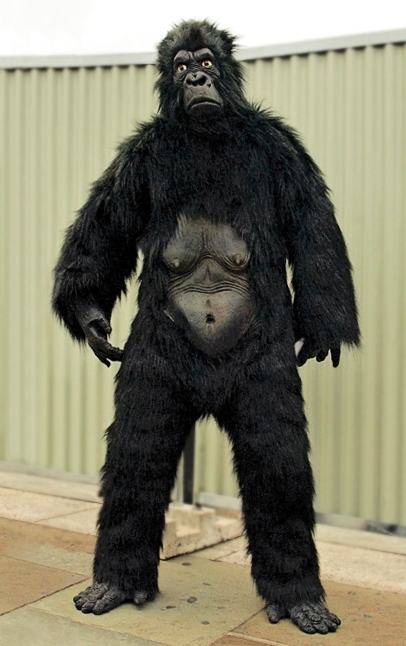 How can anyone miss a gorilla walking through the middle of the screen?attention