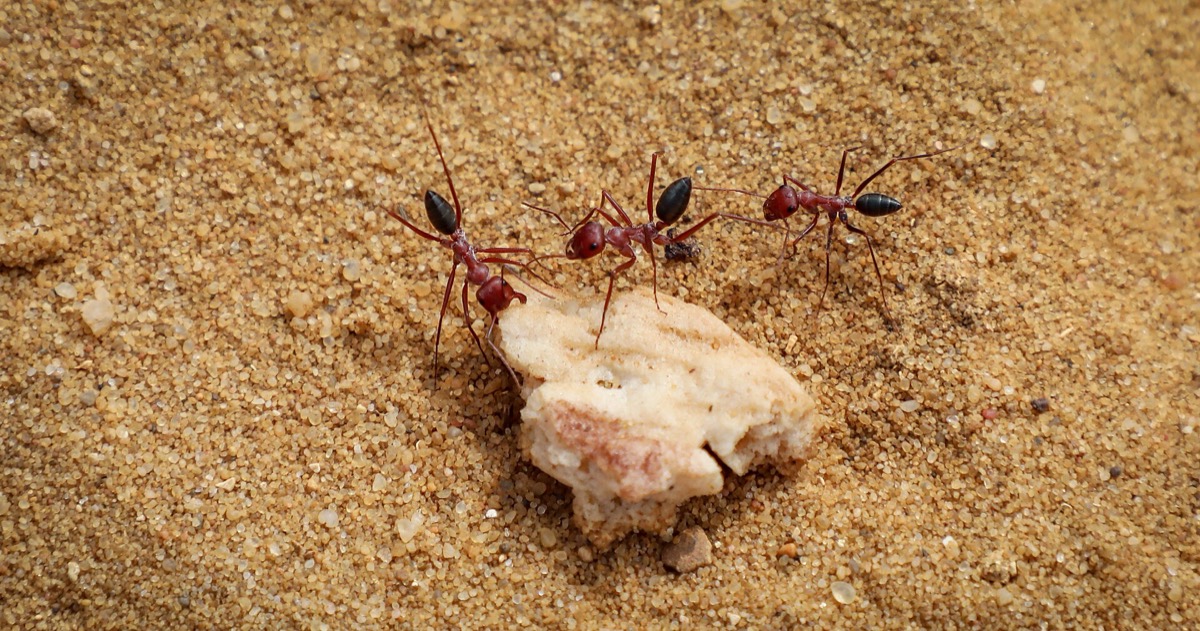
Desert ants return in a straight line to a nest that is nearly invisible, so plainly they are measuring distance. The question is with what. The researchers lengthened some ants’ legs with pig bristles and shortened others. What happened to them?
They got it wrong in opposite directions. The ants on stilts walked too far and overshot the nest; the ones on stumps started searching too early. Two groups erring opposite ways is hard to explain any other way. And after they had practiced on the new legs they reached the right distance again, which rules out injury and shows the system itself.
Desert ants return in a straight line to a nest that is nearly impossible to see, after winding about in search of food. So they must be doing , combining direction and distance along the way.
The direction comes from a sun compass, and the question was where the distance comes from. The researchers let the ants learn a fixed route, then put them on : legs lengthened with pig bristles, or shortened.
The result is sharp: those with lengthened legs walked too far and went past the nest, and those whose legs were shortened searched too early. Two groups erring in opposite directions is hard to explain any other way.
After practicing on the new legs they reached the right distance again, which rules out injury or disturbance and shows the system recalibrates itself. The experiment shows stride length feeds , and does not say the ant counts every step explicitly, or that this is its only cue.
wat. Pig bristles glued to ants’ legs made them walk past the nest, until they relearned the length of a stride.
wat wat
A simple physical experiment can expose an internal navigation mechanism that is hard to observe directly inside a tiny nervous system.
How do we know?
The ants were captured at the food, had their leg length altered, and were released into a straight channel where the point at which they began searching for the nest was recorded.
What is still unknown
The experiment shows stride length takes part in measuring the distance. It does not say the ant counts every step explicitly, or that this is its only cue.
Learn something?
Where to next
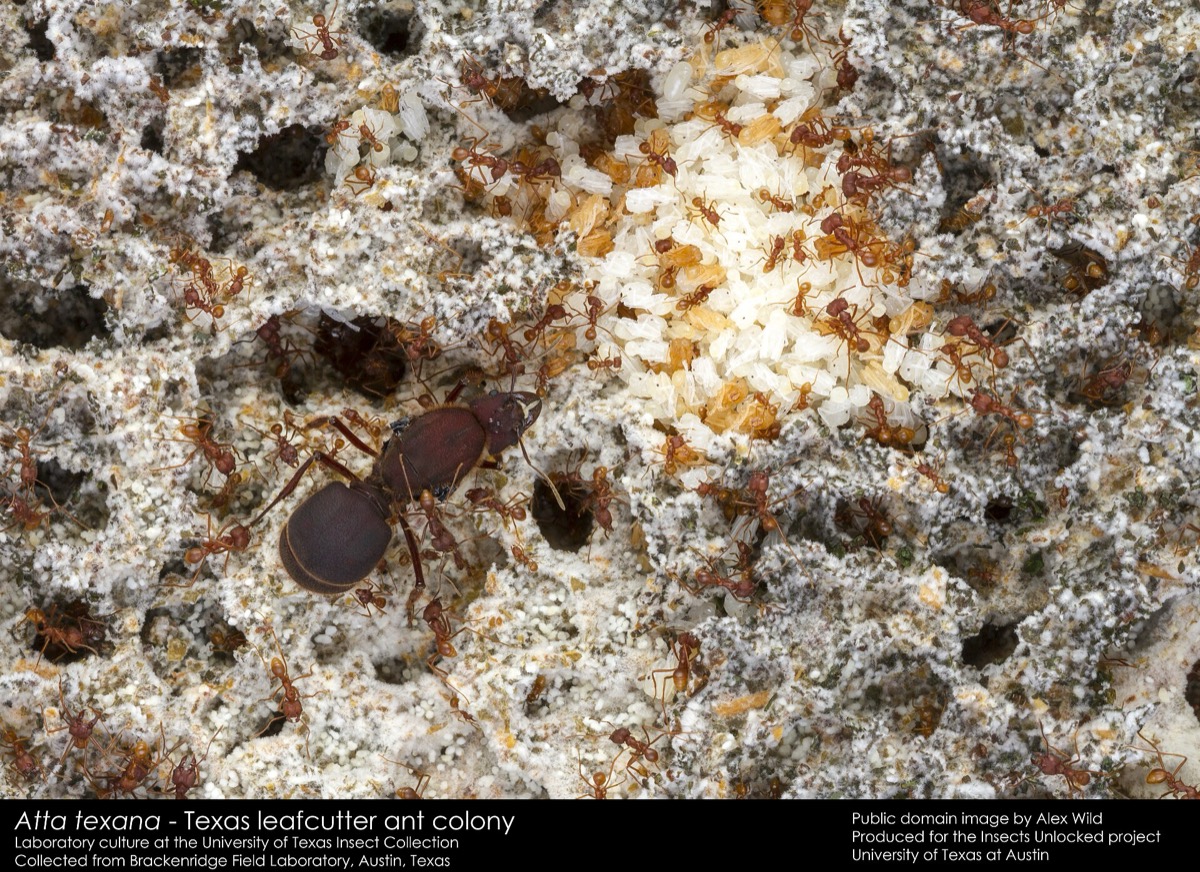 How do ants find a short route when none of them has the map?ants
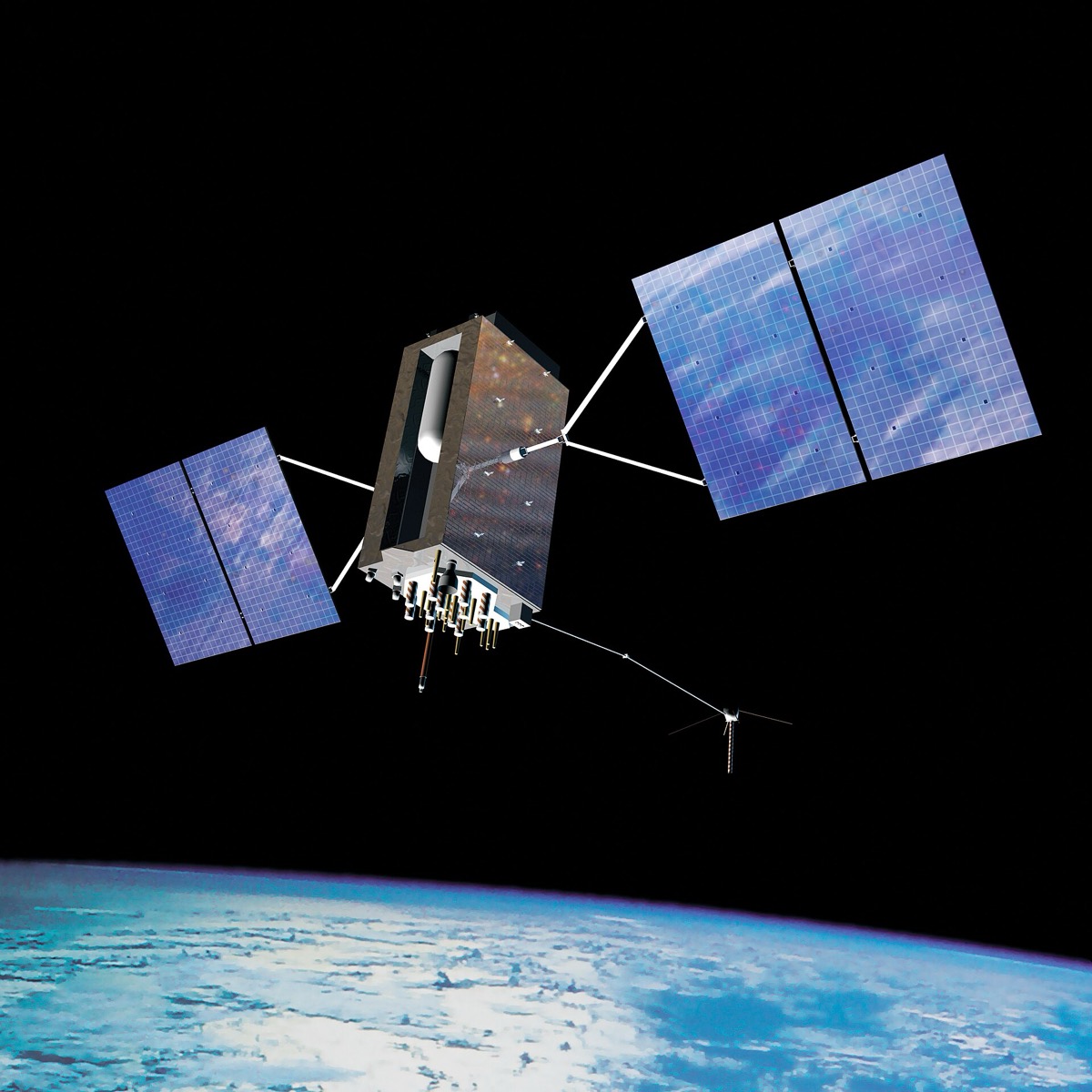 What would happen to the navigation on your phone without relativity?navigation
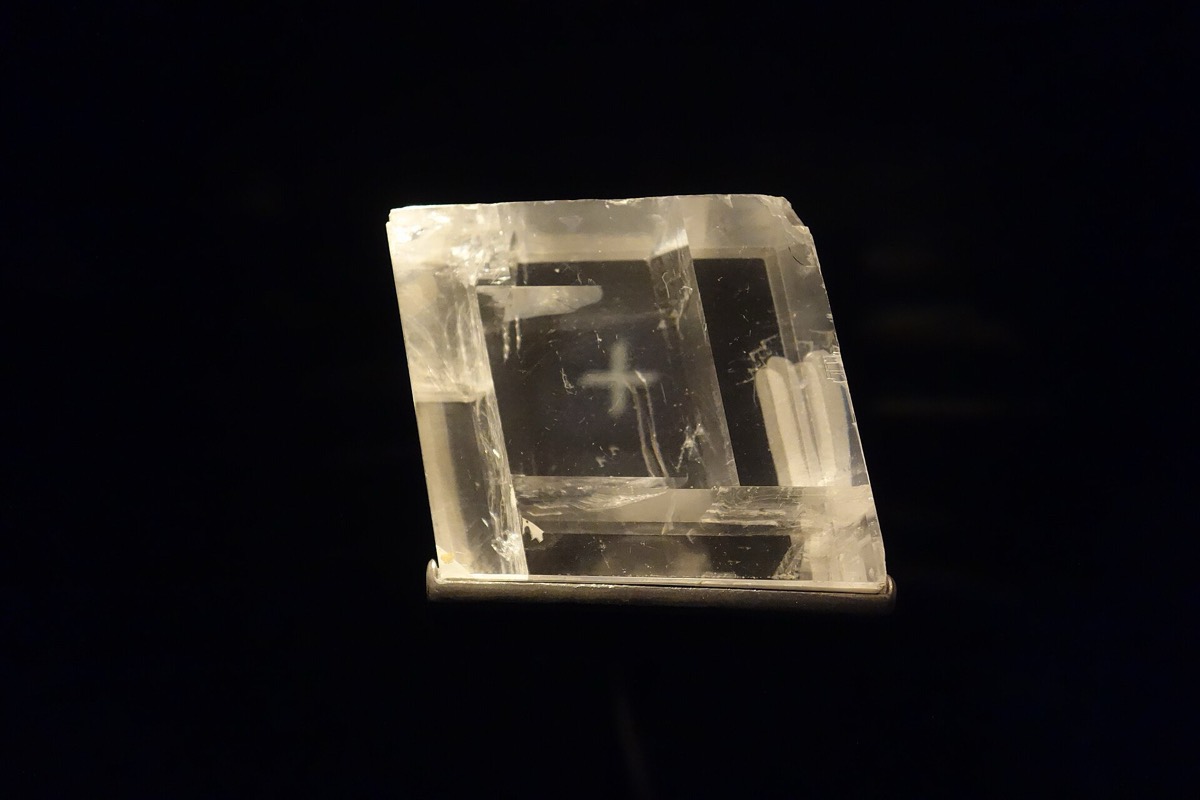 Can a transparent crystal find a sun that is hiding behind clouds?navigation