A fossil record is a record of bones that happened to form, survive and then be found, which makes it lumpy in time and in space. Sediment holds a second archive: DNA shed by animals and plants and locked into frozen silt. Murchie and colleagues read thirty thousand years of it out of the Klondike. What does the sediment say that the bones do not?
A later ending than the bones give. Between about thirteen and a half thousand and ten thousand years ago the ecosystem turned over substantially, woody shrubs rose, and the disappeared. A lingering signal of North American horse and woolly mammoth then shows up at several sites, thousands of years after the fossil record has both species extinct. The animals were still there after the bones stop.
Working out what killed the megafauna means separating climate, a reshuffled ecosystem and human arrival, and the usual evidence is bones. Bones are a coarse instrument. They form where conditions suit, survive where conditions suit, and get found where somebody digs, so gaps in them are ambiguous.
Sediment keeps a second record. Animals and plants shed DNA constantly, and in that survives for millennia, laid down in order with the material around it. Murchie and colleagues pulled a thirty thousand year sequence out of loess silts in the Klondike region of Yukon.
The large change in it is a turnover in what lived there, between roughly thirteen and a half and ten thousand years ago. Woody shrubs rise through the record, and the mammoth-steppe, the dry grassland that fed the big grazers, drops out of it. The habitat went first.
The detail that unsettles the timeline is smaller. DNA from North American horse and from woolly mammoth keeps appearing at several sites, thousands of years after the fossil record has both species gone. A last appearance in bones turns out to be a statement about bones, which pushes the extinction later and leaves it overlapping a grassland that had already collapsed.
wat. The bones stop earlier than the animals did, because absence from a fossil record is an absence of fossils rather than of animals.
wat wat
It changes what an extinction date means. A species vanishing from the bone record may simply have grown too rare to leave one.
How do we know?
Murchie and colleagues extracted sedimentary ancient DNA from dated permafrost silt in the Klondike region of Yukon, identifying plants and animals across thirty thousand years of deposition.
What is still unknown
DNA in sediment can move between layers and cannot be tied to a living animal standing on that spot, so a lingering signal is strong evidence of persistence rather than proof of it.
Learn something?
Where to next
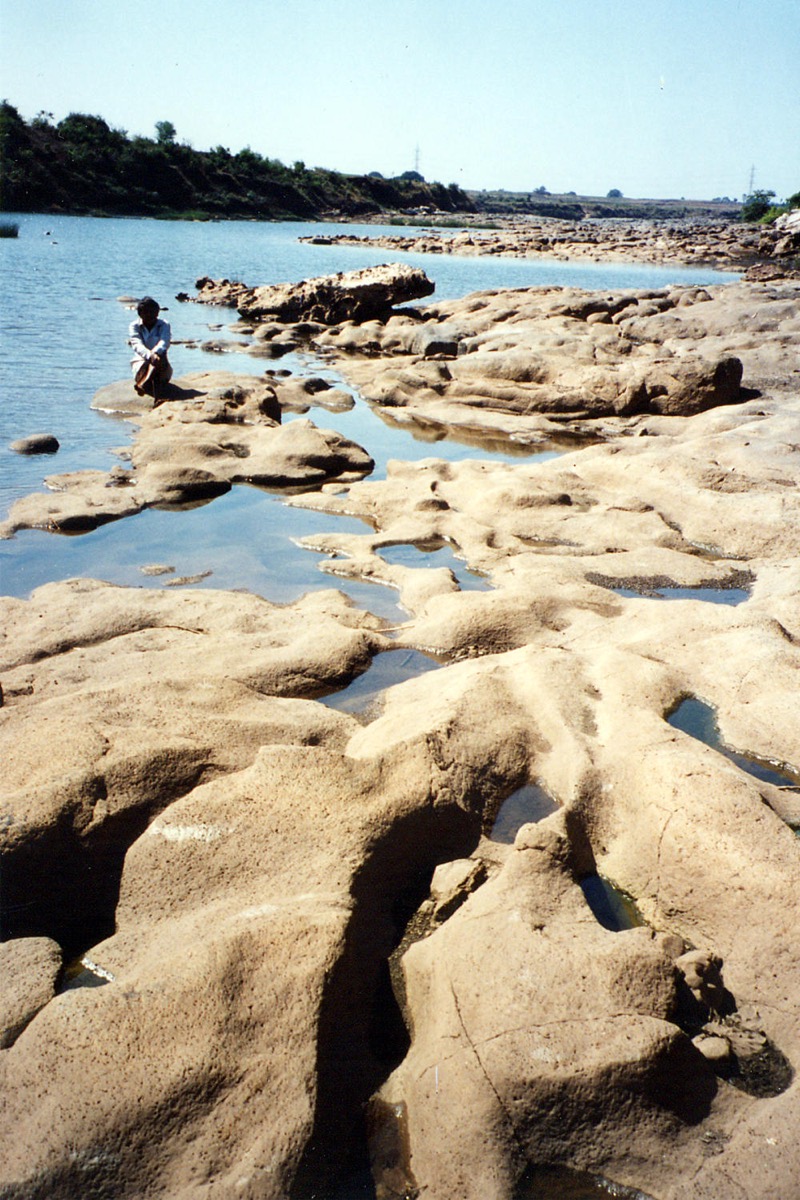 Did the volcanoes in India erupt only after the dinosaurs died out?extinction
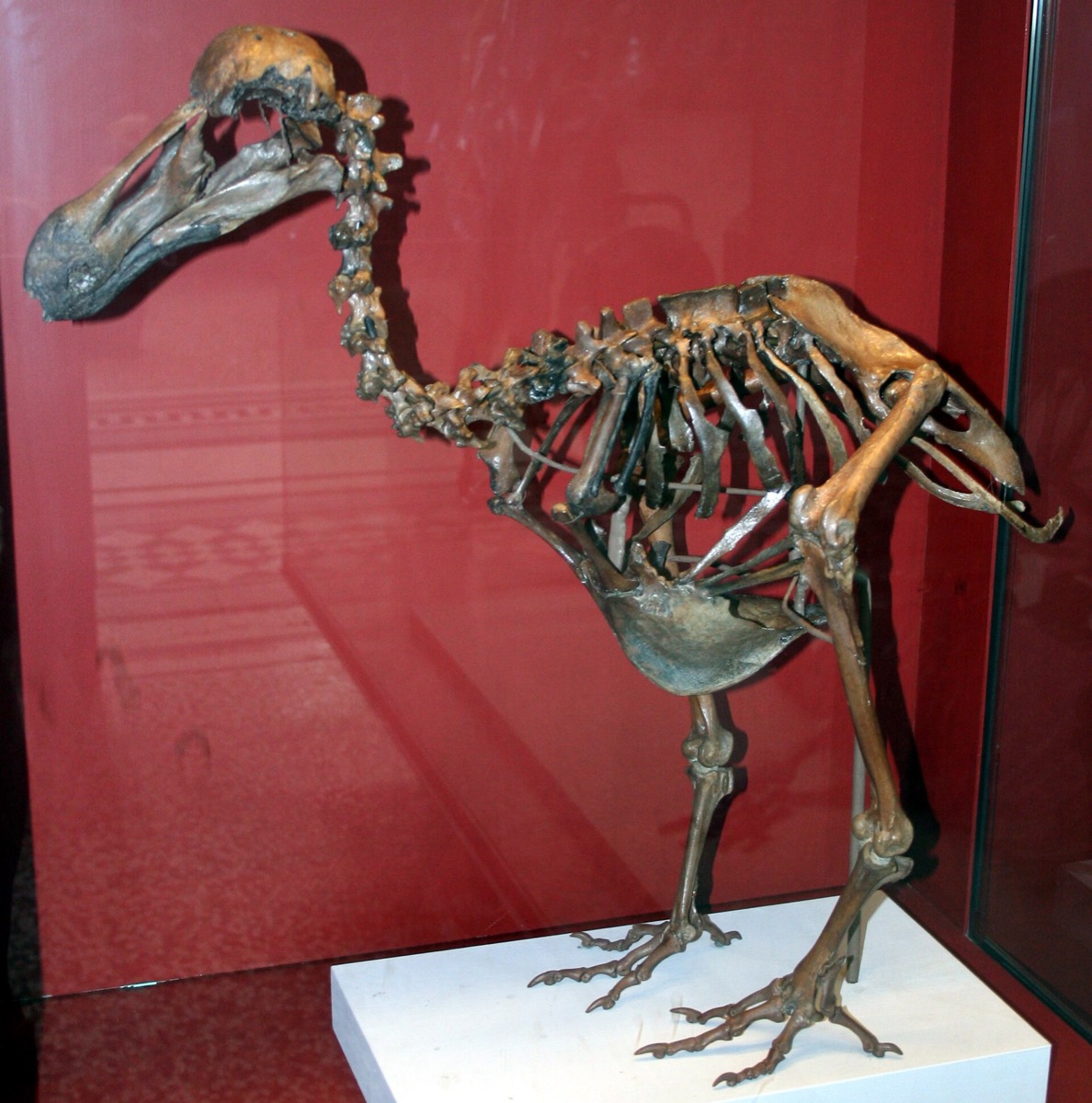 What are we comparing today’s extinctions against?extinction